
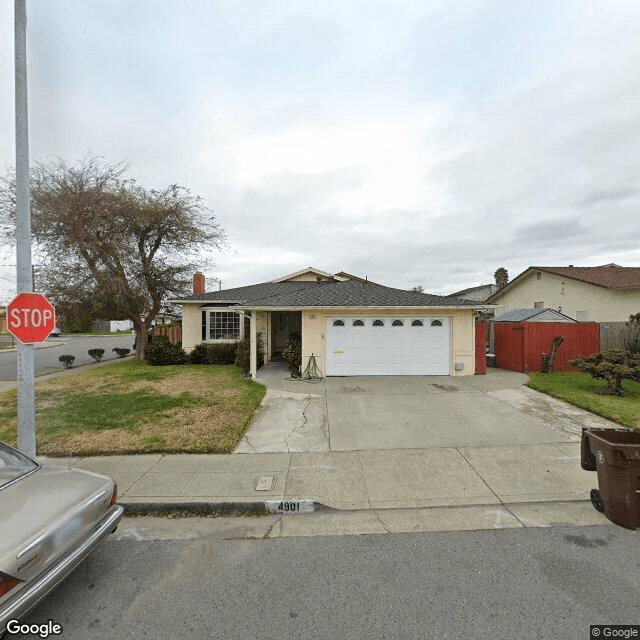
4901 Plaza Way, Richmond, CA 94804
For more information about senior living options: (866) 208-4318
Park Plaza Rest Home Costs & Pricing
Park Plaza Rest Home offers a supportive living environment with costs that reflect both the quality of care and the amenities provided. For a semi-private room, residents can expect to pay $4,000 per month, which is notably higher than the county average of $3,471 and the state average of $3,333. Similarly, private rooms at Park Plaza are priced at $5,000 monthly - again above the Contra Costa County average of $4,088 and California's average of $3,939. While these rates may exceed local and state averages, they are indicative of the personalized services and comfortable living conditions that residents enjoy at Park Plaza Rest Home.
| Floor plans | Park Plaza Rest Home | Contra Costa County | California |
|---|---|---|---|
| Semi-Private | $4,000 | $3,471 | $3,333 |
| Private | $5,000 | $4,088 | $3,939 |
Assisted Living communities with a similar price nearby
-
About the same
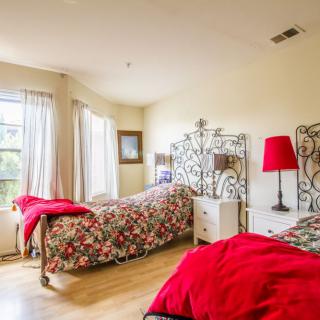
Golden Age Of Channing Way
$4,000 to $5,000 / month13.2 miles away -
from -$600 / mo

An Oak Grove Manor
$3,400 to $3,800 / month17.0 miles away -
from -$500 / mo
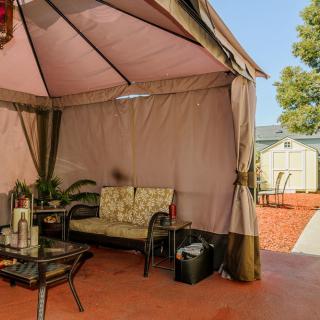
Blossom Garden Senior Home
$3,500 to $4,800 / month20.9 miles away -
from -$500 / mo
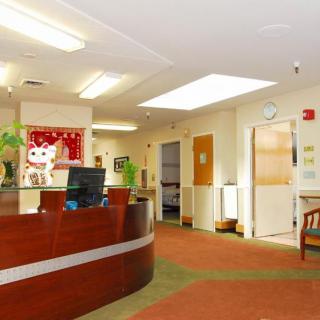
East Bay Assisted Living
$3,500 to $5,000 / month9.9 miles away -
from +$500 / mo
Lafayette Gardens
$4,500 to $5,000 / month11.6 miles away
Overall Review of Park Plaza Rest Home
Pros
 The staff is great and very personal.
- They really cater to the needs of my loved one.
- The home really feels like a home and not a facility.
- The business is a family operated business and they treat the residents as such.
- They have been around for many years.
- One caretaker was excellent.
- She was very kind and considerate!
- They took excellent care of my loved one, and took them to senior community events in town.
Cons
 It didn't end up working out.
- One of the two caretakers was a bully.
- She would yell at the residents and talk down to them.
- Some of the residents were verbally abusive, as well.
- The rooms were small.
Review
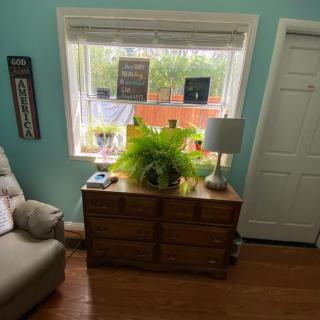
Park Plaza Rest Home in Richmond is best suited for families seeking a warm, home-like environment where personal attention and a family-owned ethos drive daily care. This community works well for residents who value long-standing relationships with staff, a courtyard-style sense of community, and a setting that feels comfortable and intimate rather than clinical. The appeal here centers on genuine, hands-on care delivered with a personal touch, a perception reinforced by the owners’ long tenure in the area and the sense that residents are treated like members of the family. It’s a place where warmth and familiarity can significantly ease transitions for seniors who lean into a smaller, more homelike atmosphere.
The strongest argument in Park Plaza’s favor is the staff-driven culture. Reviews consistently highlight a personal, attentive approach, with caregivers who really cater to individual needs and preferences. Families often speak about the home’s long-running, family-operated character, which translates into relationships that feel steady and trustworthy. Residents are described as being treated with respect and kindness, and the community benefits from outings to local events that foster engagement outside the walls of the home. For many families, that level of personal attention and the sense of belonging can outweigh other limitations, creating a daily living experience that feels comfortable and reassuring.
At the same time, the most pointed drawbacks center on inconsistency and space. A candid note from a family describes two caretakers with dramatically different impacts: one excellent and one bullying, with instances of residents being talked down to and others engaging in verbal conflict. Though this may reflect a broader issue of staff alignment, it underscores the risk that care quality can fluctuate between shifts, a reality that can make planning and trust-building challenging for families. In addition, some residents report small rooms, which can limit privacy and maneuverability for couples or larger living arrangements. Taken together, these factors temper the otherwise favorable impressions and warrant careful due diligence.
Those pros and cons interplay in practical decision-making. The home’s edge, personalized, consistent warmth and a genuine sense of community, can offset modest spaces and occasional staff mismatch for families who prioritize emotional security and daily companionship. However, for families that require uniform behavior across all caregivers, strict professional boundaries, and predictably consistent interactions, the risks associated with variable staff dynamics become a meaningful consideration. The home’s intimate scale amplifies every caregiver interaction, so the comfort of a regular, trusted caregiver becomes more important than in larger facilities.
When evaluating Park Plaza, concrete questions and experiences during visits matter just as much as the glossy descriptions. Prospective residents should tour the space with a focus on room size, shared areas, and the ease of mobility within the home. Ask about caregiver schedules, how staff assignments are managed, and what steps exist to address concerns if a particular caregiver’s approach doesn’t align with a resident’s needs. Speak with current residents and families about consistency, activity variety, and how conflicts are handled. Inquire about how anniversaries and events are integrated into weekly routines to gauge whether the claimed home-like atmosphere translates into real, daily engagement.
In the end, Park Plaza Rest Home stands out for families who prize a heartfelt, neighborly environment where staff genuinely know the residents and treat them like kin. It is less compelling for those who require high-capacity staffing, aggressive oversight, or expansive, modern amenities. For the right family, the strengths, personalized care, a true sense of belonging, and a long-standing local operator, create a compelling value proposition that can outweigh the drawbacks. For others, especially where consistency, room size, and formalized processes take precedence, it makes sense to explore alternatives that emphasize larger scale, steadier staffing, and more spacious living environments.
 6 resident community capacity
 Assisted Living
 Board and Care Home
 Cable or satellite TV
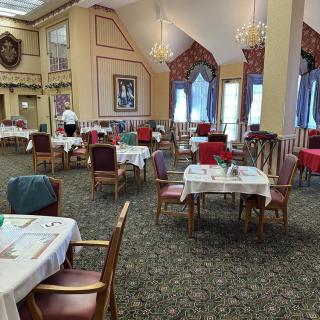
 Dining room
 Fully furnished
 Garden
 Housekeeping services
 Move-in coordination
 Outdoor space
 Private
 Telephone
 Wi-Fi/high-speed internet available
 Metropolitan Oakland International (15 miles away)
 24-hour supervision
 Activities of daily living assistance
 Ambulatory care
 Assistance with bathing
 Assistance with dressing
 Assistance with transfers
 Diabetes diet
 Diabetic care
 Incontinence care
 Meal preparation and service
 Medication management
 Special dietary restrictions
 Transportation arrangement (medical)
 Transportation to doctors appointments

 Understanding Medicaid Coverage for Assisted Living: A Comprehensive Guide
 How and When Medicaid May Cover Assisted Living Costs
 A Detailed Exploration of Assisted Living Medicaid Waivers Across the United States