
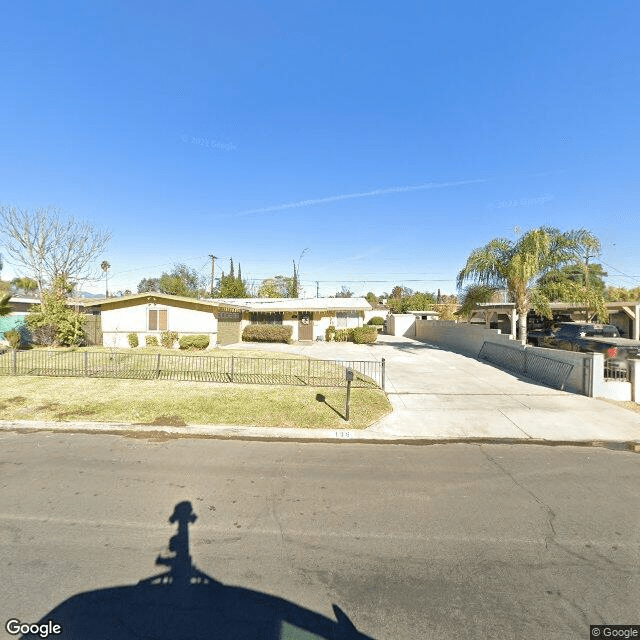
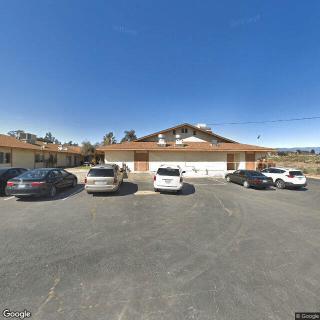
136 E. Grant Street, Rialto, CA 92376
To contact a resident: (909) 877-3074
For more information about senior living options: (866) 208-4318
Extended Hands Eldercare Inc. Costs & Pricing
Extended Hands Eldercare Inc. offers competitive pricing for eldercare services, particularly when compared to the regional and state averages. For a semi-private room, the monthly cost is $2,200, which is significantly lower than the San Bernardino County average of $2,958 and the broader California average of $3,333. Similarly, for those seeking a private room, Extended Hands remains an affordable option at $2,600, in contrast to San Bernardino County's average of $3,561 and California's average of $3,939. These cost-effective rates reflect Extended Hands' commitment to providing quality care within an accessible financial framework for families navigating eldercare options.
| Floor plans | Extended Hands Eldercare Inc. | San Bernardino County | California |
|---|---|---|---|
| Semi-Private | $2,200 | $2,958 | $3,333 |
| Private | $2,600 | $3,561 | $3,939 |
Senior living communities with a similar price nearby
-
from +$300 / mo
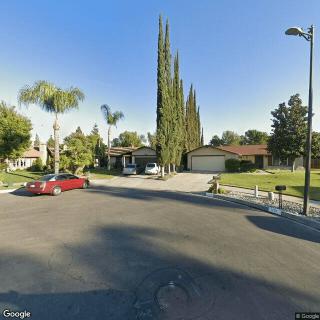
Valley Spring Elderly Care
$2,500 to $3,000 / month5.0 miles away -
from -$200 / mo
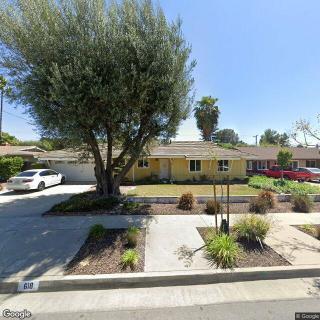
House Of Grace
$2,000 to $4,200 / month21.3 miles away -
from -$200 / mo
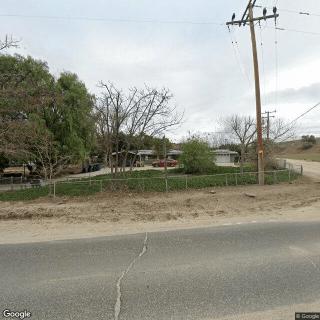
Milam Manor
$2,000 to $3,600 / month7.2 miles away -
from -$400 / mo
IMS Home Inc
$1,800 to $3,000 / month20.8 miles away -
from +$300 / mo
Golden Horizon Home I
$2,500 to $2,800 / month14.2 miles away
Overall Review of Extended Hands Eldercare Inc.
Pros
 Extended Hands Eldercare is a very nice facility.
- It is always spotless and well maintained.
- It has a homey atmosphere when you walk in.
- The staff are friendly and professional and very attentive to the residents.
- The residents seem happy and well taken care of.
- It is conveniently located near a family member's home and a nearby senior center for activities.
- The interior is nice and clean, with carpet noted as a minor issue.
- It is objectively a very nice place, though it might not be the best fit for ambulatory residents.
- The food is pretty good and there are no complaints.
- Willese Fuller and Lisa are wonderful people who care for guests as if they are family.
- They arrange deliveries, trips to the doctor, a hairdresser, and hospice support when needed.
- A loved one is in good hands at Extended Hands Eldercare.
Cons
 There isn’t much conversation or many activities for the residents.
- The main issue cited is that the father is still ambulatory, making it potentially not the best fit for him.
- The interior could use some new carpet.
- While the facility is clean, the limited engagement opportunities could be a drawback.
Review
Extended Hands Eldercare in Rialto is best suited for families seeking a clean, homey, highly supervised environment that specializes in dementia-oriented care. The facility consistently presents a spotless, well-maintained interior with a warm, residential feel as soon as doors open. The caregiving ethos shines in the way staff interact with residents, friendly, professional, and notably attentive, creating an atmosphere where residents appear content and well cared for. This is not a sterile clinic atmosphere; it is a small-community feel where daily routines and predictable, supportive care dominate. For families facing the realities of memory-care needs, this setting offers dependable consistency and a sense of personal connection that eases decision-making during a difficult time.
Those weighing alternatives should consider residents who are not primarily dealing with cognitive decline or who require a more robust repertoire of social activities and mobility support. For seniors who remain ambulatory or who benefit from a broader spectrum of outings, group activities, and recaptured independence, Extended Hands may feel restrictive. The same holds for families seeking a facility with a wide range of daytime programming, greater social stimulation, or a more dynamic environment. In short, this community shines when memory-support and a home-like caregiving rhythm are paramount, but it may not be the first choice for those prioritizing extensive activity calendars or advanced physical assistance for ambulatory residents.
The strongest positives, unfailingly clean surroundings, a genuinely homey vibe, and highly engaged caregivers, provide a powerful offset to the inevitable trade-offs of memory-focused care. The staff’s rapid responsiveness, ongoing resident monitoring, and hands-on involvement in daily tasks create an ecosystem where families feel their loved ones are seen and protected. Positive anecdotes amplify this impression: personal touches such as arranging pharmacy deliveries, coordinating doctor visits, or organizing hair appointments illustrate a level of care coordination that reduces family stress. When a hospice nurse was brought in to support a difficult transition, the staff’s calm professionalism underscored a commitment to comfort and dignity that families remember.
However, the facility’s dementia focus brings some limitations that prospective residents should weigh. Activities and conversational opportunities tend to be more constrained when most residents have Alzheimer’s, which can translate to quieter common areas and fewer spontaneous social interactions. The interior remarks about carpet wear are minor, but they signal that some spaces might feel less contemporary than newer communities. The clearest boundary, though, is suitability for residents who are still highly ambulatory or who require mobility support beyond what a dementia-centered program typically provides. In those cases, the balance of pros and cons may tilt toward seeking an option with more robust activity, mobility, and interaction opportunities.
For families ready to proceed, a practical decision framework helps. Start with a sidewalk tour and candid conversations with Willese and Lisa, the principal care coordinators highlighted in reviews, to confirm how daily routines are structured and how emergencies are handled. Probe the level of dementia-specific programming, staff-to-resident ratios, and the facility’s approach to activities, outings, and sensory engagement. Confirm the willingness to coordinate ancillary services, pharmacy deliveries, transportation to appointments, in-house hairdressing, and hospice support, since these logistics often determine caregiver peace of mind. Finally, assess the location relative to relatives’ homes and local resources; proximity to a senior center or familiar neighborhoods can meaningfully augment quality of life for residents who benefit from nearby integration.
The bottom-line recommendation is clear: Extended Hands Eldercare excels for families prioritizing a dependable, compassionate, dementia-conscious setting that feels like home. It is a compelling choice when the primary objective is high-touch care, staff attentiveness, and practical coordination around medical, pharmaceutical, and end-of-life needs. Those seeking a broader social calendar, more mobility assistance, or a facility that emphasizes expansive activity programming should consider alternatives that balance memory-care with a richer day-to-day rhythm. In Rialto, this community stands out as a well-run, value-conscious option for memory-care residents and their families who want to minimize logistical burdens while maximizing personal care and comfort.
 Board and Care Home
 Activities off-site
 Bath tubs
 Devotional services on-site
 Indoor common areas
 Outdoor common areas
 Private
 Private bathrooms
 Respite or short term stays offered
 Wheelchair accessible showers
 Ontario International (13 miles away)
 Ambulatory care
 Diabetic care
 High acuity care
 Incontinence care
 Medication management
 Kosher
 Adventist services
 Buddhist services
 Islamic services

 Navigating the Tax Landscape of Caregiving: Credits, Deductions, and Beyond
 Highly Beneficial Low-Impact Exercises for Senior Living Residents
 Is In-Home Healthcare Tax Deductible? Your Comprehensive Guide