
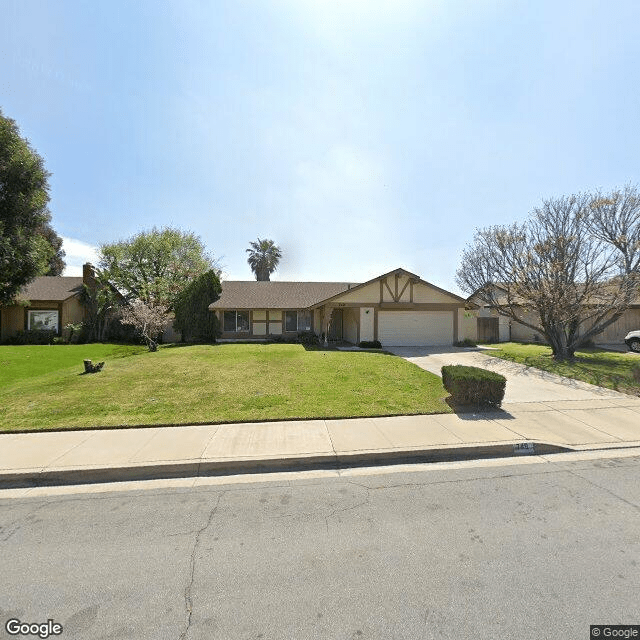
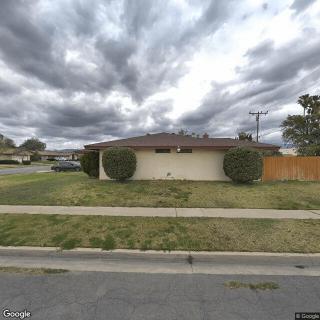
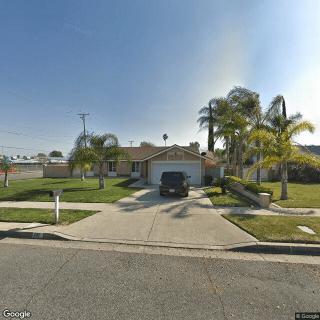
749 West Winchester Drive, Rialto, CA 92376
For more information about senior living options: (866) 208-4318
Overall Review of Cedar Crest Home Care
Pros
 Folsom Comfort Care felt like home for the resident during the last two years of life.
- Lina, the owner, was very supportive when the resident faced chronic illness and needed help with new medications.
- Lina is passionate and cares a great deal about all the residents.
- She planned a Christmas dinner for residents and their families to share.
- The caregivers are on point, giving 100% all the time.
- The staff help with all daily living needs, including dressing, bathing, and getting in and out of a wheelchair.
- The home serves three home-cooked meals every day.
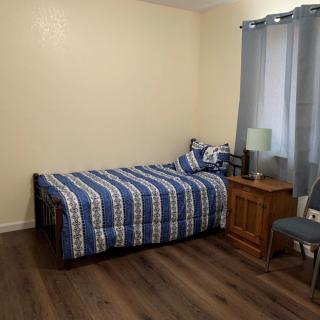
- The house is beautiful inside with lovely furnishings, warm and inviting, and the family felt like part of the community.
Review
This community is best suited for families seeking an intimate, home-like environment where care is deeply personal and heavily hands-on, especially for a loved one living with dementia or in end-of-life care. The review paints a picture of a setting led by an engaged owner who partners with families through the aging process, offering practical coaching, emotional support, and a sense of continuity during difficult transitions. Caregivers are described as “spot on” and delivering 100% effort, with daily living tasks handled alongside companionship. A warm, domestic atmosphere, home-cooked meals, laundry, and light housekeeping, rounds out the appeal for families prioritizing dignity, routine, and a sense of family over institutional formality.
Anyone considering alternatives should weigh the need for formal medical oversight and a broader continuum of clinical services. If a loved one requires robust on-site nursing, advanced therapies, or a larger staff with a highly structured program, a traditional assisted living campus or a larger memory-care facility may be more appropriate. The review’s focus on caregiving quality, meals, and household chores suggests an environment that excels in personal attention and comfort, but it does not speak to the depth of clinical resources or coordinated medical care that some families will expect or require on a day-to-day basis.
The strongest pro highlighted is the owner-led, highly engaged approach that infuses the house with purpose and warmth. The caregiver team’s dedication, reflected in the claim of delivering “100%” effort, translates into reliable daily support with dressing, bathing, mobility, and medication routines. For families navigating complex medication regimens or chronic illnesses, this model can significantly reduce caregiver strain and uncertainty. The availability of three home-cooked meals a day and housekeeping services further minimizes logistics for families, allowing more time to focus on quality interactions rather than daily chores.
Another standout is the home-like setting that emphasizes routines tailored to dementia and hospice needs. The care environment described feels intimate and comforting, which is crucial for residents who thrive on predictability and familiar surroundings. The staff’s willingness to organize family-centered events, such as a holiday meal, signals a level of attentiveness to emotional well-being that can be as important as physical care. In practice, these elements often translate to better comfort, improved rest, and a calmer daily rhythm for residents who might otherwise experience stress in larger, more impersonal facilities.
However, potential residents should recognize the implied trade-offs. The emphasis on personal touch and a cozy home setting can come with fewer on-site medical amenities and a smaller, more specialized program compared to larger campuses. Families should verify what medical oversight is available, who coordinates medications, and how quickly clinical needs can be addressed if a condition worsens. For someone needing continuous nursing care, complex wound management, or rapid access to specialists, these considerations could sway the decision toward alternative arrangements or supplementary services.
Ultimately, the decision hinges on what matters most to the resident and family: immediate quality of life, warmth, and hands-on daily support, or broader clinical capabilities and structured programming. For those prioritizing dignity, companionship, and practical help with daily tasks, the described model offers a compelling blend of heart and home. For families where clinical acuity, therapy options, and a formal care continuum take precedence, it is prudent to explore other communities or supplement this setup with additional medical services to fill any gaps. Before deciding, families should request a detailed care plan, tour the home, and confirm how medical needs, medications, and emergencies are managed in practice.
 6 resident community capacity
 Assisted Living
 Board and Care Home
 Cable or satellite TV
 Dining room
 Fully furnished
 Garden
 Housekeeping services
 Move-in coordination
 Outdoor space
 Telephone
 Wi-Fi/high-speed internet available
 Ontario International (13 miles away)
 24-hour supervision
 Activities of daily living assistance
 Assistance with bathing
 Assistance with dressing
 Assistance with transfers
 Diabetes diet
 Meal preparation and service
 Medication management
 Special dietary restrictions
 Transportation arrangement (medical)
 Transportation to doctors appointments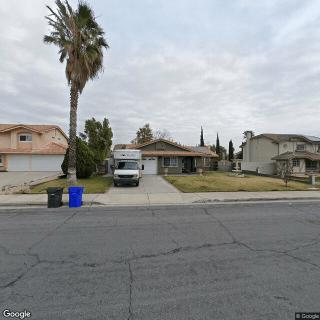

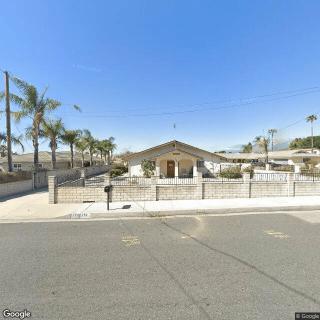

 8 Key Indicators That Suggest It May Be Time to Transition from Assisted Living to Skilled Nursing Care
 Vibrant Senior Living: A Comprehensive Guide for Active Older Adults
 When to Transition from Assisted Living to Memory Care: Key Indicators, Steps, and Finding the Right Community