
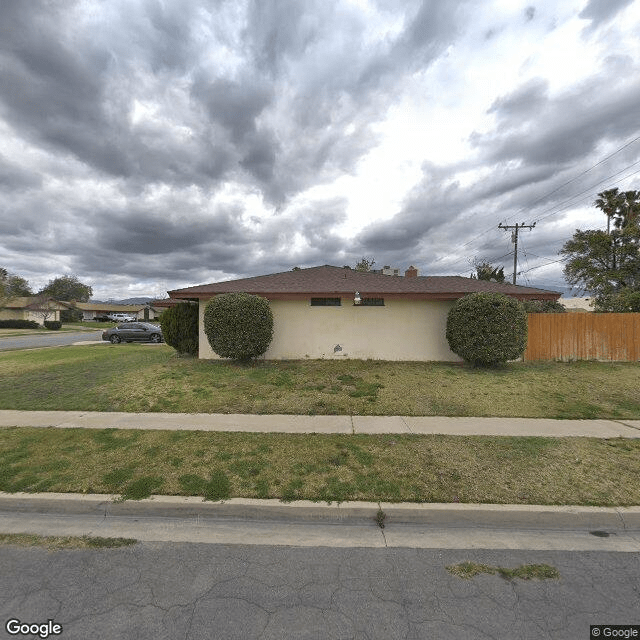
2235N. Arrowhead Avenue, Rialto, CA 92377
For more information about senior living options: (866) 208-4318
Washington Family Manor Costs & Pricing
Washington Family Manor offers a competitive pricing structure for its semi-private rooms at $2,200 per month, making it a more affordable option compared to both San Bernardino County and the broader California state averages. In San Bernardino County, the cost for similar accommodations is approximately $2,958, while the statewide average reaches about $3,333. This distinction highlights Washington Family Manor's commitment to providing quality care at a value that supports family budgets without compromising on the essential services required for residents' well-being.
| Floor plans | Washington Family Manor | San Bernardino County | California |
|---|---|---|---|
| Semi-Private | $2,200 | $2,958 | $3,333 |
Assisted Living communities with a similar price nearby
-
from +$300 / mo
Carmel Care Home
$2,500 to $3,000 / month23.2 miles away -
from +$300 / mo
Valley Spring Elderly Care
$2,500 to $3,000 / month8.2 miles away -
from -$200 / mo
House Of Grace
$2,000 to $4,200 / month20.2 miles away -
from -$200 / mo
Milam Manor
$2,000 to $3,600 / month10.6 miles away -
from +$300 / mo
Golden Horizon Home I
$2,500 to $2,800 / month17.9 miles away
Overall Review of Washington Family Manor
Pros
 They are friendly and committed to meeting clients' needs.
- They have an open door policy.
- Washington Family Manor offers great value.
- Washington Family Manor has been wonderful and takes wonderful care of residents.
- The staff are very compassionate and attentive, with a very good demeanor.
- They communicate in a friendly way and work to help families place loved ones there.
- Simone and the staff are extremely friendly and caring, providing a very good overall experience.
Cons
 A reviewer toured the facility and didn't really like it.
- They noted that only one staff member was available during the day and described the home as messy.
- The reviewer observed women with severe dementia who looked very lost.
- They did not see any activities or staff attending to residents at lunch.
- One resident repeatedly complained of being cold.
- The reviewer did not like this home.
- The place appeared clean and safe, but it was not.
- The reviewer reported that he had fallen, chipped a tooth, and no one told them about it.
- They removed him from the home and took him home.
- They noted a $2,000 per month charge for a resident's own TV.
Review
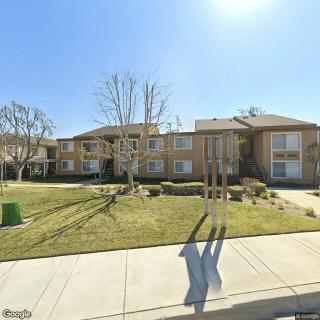
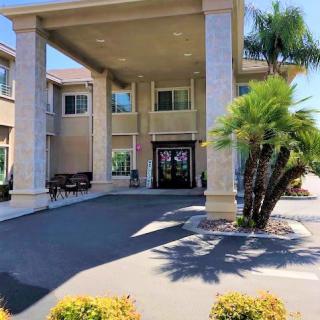
Washington Family Manor in Rialto is best suited for seniors who want a small, home-like setting with hands-on, compassionate care and clear lines of communication with staff. Families that prize an open-door policy and frequent updates will feel welcome, and the environment rewards relationship-building with caregivers who remember daily preferences. The strongest value comes from staff attentiveness: daily showers, help with walking, and a level of daily support that keeps routine tasks manageable without a clinical or institutional vibe. It works well for residents whose needs are substantial but do not require a large medical team or high staffing ratios. In short, this community fits families seeking warmth, personal touch, and cost-conscious care over impersonal efficiency.
Alternatives should be seriously considered for those prioritizing robust daytime coverage, structured activities, and memory-care specialization. Larger assisted living campuses often offer higher staffing ratios, more formal activity schedules, and clearer incident reporting practices. For residents with advanced dementia or complex medical needs, a facility with dedicated memory-care programs and on-site physicians may reduce risk and improve day-to-day safety. If the family requires 24/7 supervision and a tightly run routine with consistent programming, Washington Family Manor may not meet those expectations.
Pros include an open-door policy, a genuinely caring administrator (Simone) and staff, and a sense that value is reasonable for the level of personalized attention provided. That approach translates into comfort for families who want to be involved and who appreciate practical conveniences and daily personal attention. These strengths can meaningfully offset limitations because reliable, compassionate care matters far more than facility size or glossy marketing. The smaller scale often means residents are known by name and caregivers can tailor tasks to individual preferences, from mobility support to daily hygiene routines. Still, price and value must be weighed against what is missing in staffing depth and programming.
Two notable red flags appear in some feedback. Daytime staffing appears lean, with reports indicating only one staff member available during the day, and the administrator’s model relies on off-site support at night. Incidents raise additional concerns: a resident chipped a tooth and was not promptly communicated to the family, and another reviewer noted a lack of visible activities at lunch and questions about how comfort and warmth were maintained for residents. These signals matter deeply when evaluating safety, supervision, and the consistency of daily life for frail or memory-impaired residents.
To determine fit, prospective families should demand clarity on several fronts: exact staffing levels by shift, on-site presence of the administrator, and an accountable care framework with documented incident reporting. Request a current activity calendar and a meal plan to assess whether residents receive meaningful engagement and nutrition. Seek assurances about how memory-care needs would be managed, training for staff in dementia care, and whether there is a structured plan for safety, weather-related comfort, and routine monitoring. Asking for references from current families and arranging multiple visits at different times can reveal whether the home’s warmth translates into dependable, day-to-day quality.
Ultimately, Washington Family Manor offers a favorable blend of warmth, accessibility, and value for families prioritizing personal connection and a home-like routine. It serves well those who want open communication, a hands-on caregiver approach, and a cost-conscious option without sacrificing basic dignity and daily support. However, for families requiring rigorous supervision, comprehensive memory-care programming, and transparent, well-documented safety practices, exploring alternatives is prudent. When expectations are aligned with the community’s strengths and its acknowledged gaps, a well-informed choice emerges that best fits the resident’s needs and the family’s capacity to participate in care.
 6 resident community capacity
 Assisted Living
 Board and Care Home
 Activities off-site
 Bath tubs
 Cable or satellite TV
 Devotional services off-site
 Dining room
 Fully furnished
 Garden
 Housekeeping services
 Indoor common areas
 Move-in coordination
 Outdoor common areas
 Respite or short term stays offered
 Telephone
 Wi-Fi/high-speed internet available
 Ontario International (14 miles away)
 24-hour supervision
 Ambulatory care
 Assistance with bathing
 Assistance with dressing
 Assistance with transfers
 Diabetes diet
 High acuity care
 Meal preparation and service
 Medication management
 Special dietary restrictions
 Transportation arrangement (medical)
 Transportation to doctors appointments
 Christian services

 Comprehensive Supportive Living Arrangements for Adults with Disabilities
 Funding and Affording Assisted Living: A Thorough Overview
 Assisted Living Expenses and Long-Term Care Insurance: A Comprehensive Exploration