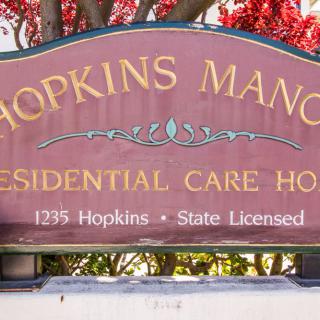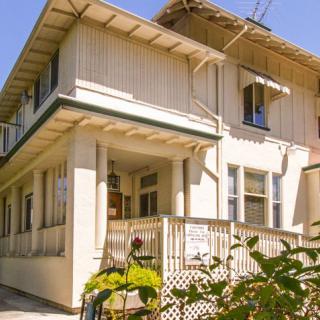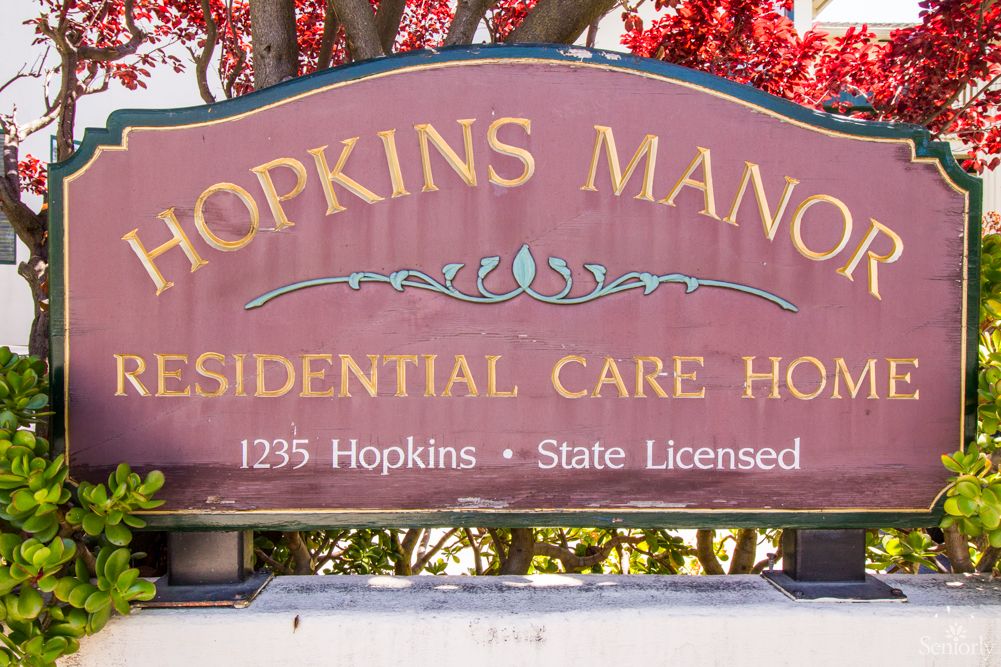
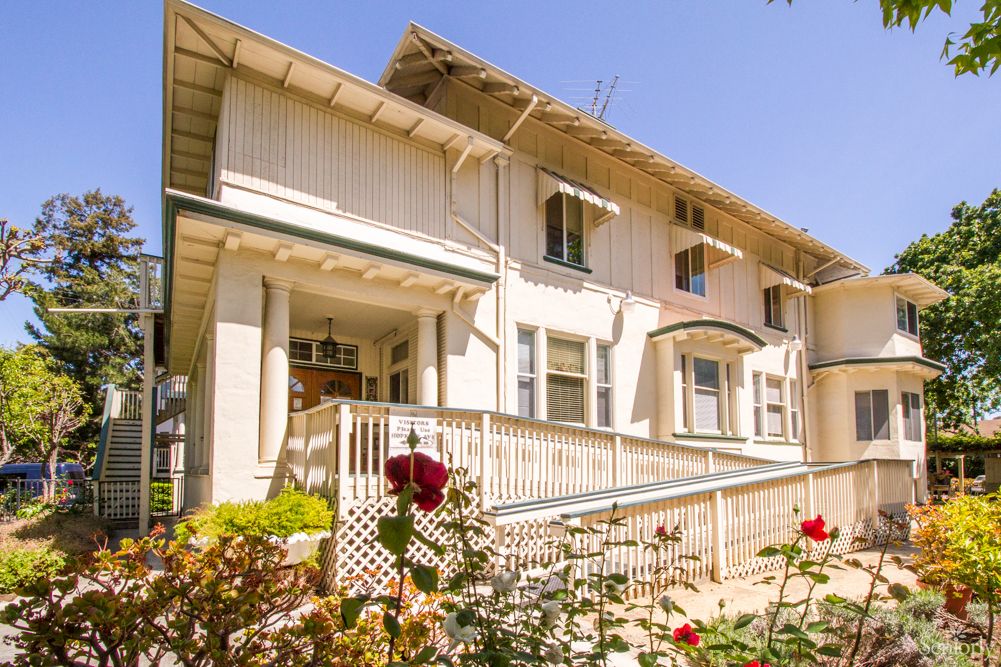
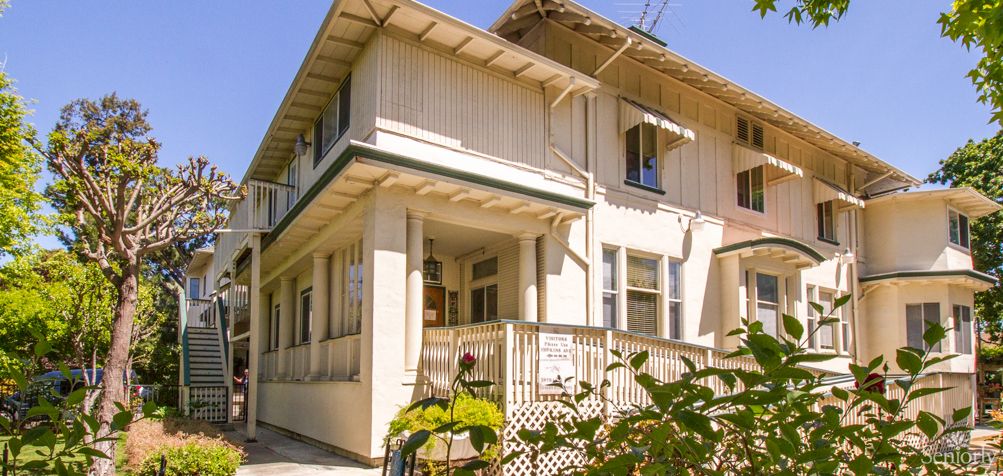
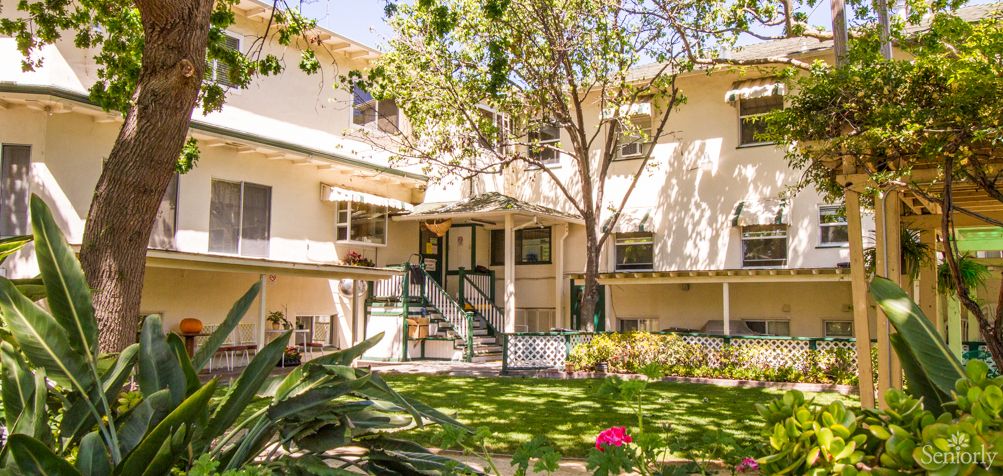
1235 Hopkins Avenue, Redwood City, CA 94062
For more information about senior living options: (866) 208-4318
Overall Review of Hopkins Manor Pacific
Pros
 The facility accommodated him within his budget.
- The staff are pleasant and genuinely caring, and monitor residents' medications and dietary needs.
- The facility is clean and maintenance is acceptable.
- The care and living conditions are good, and residents seem reasonably happy.
- The facility has wonderful, loving staff and is highly recommended for recovery needs.
- The staff are friendly, warm, and patient with residents and visitors; the location is beautiful and well maintained.
- The staff feel like family to the residents, and residents feel surrounded by love.
- There is a lot of individual attention; the cook is outstanding; the staff are caring and on-site support is strong.
Cons
 The reviewer notes the facility is not deluxe and shows its age, with rooms that are rough around the edges.
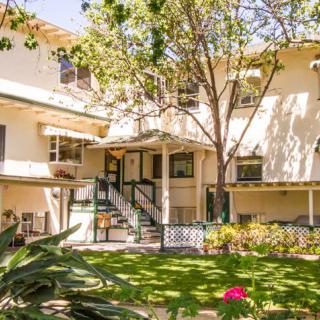
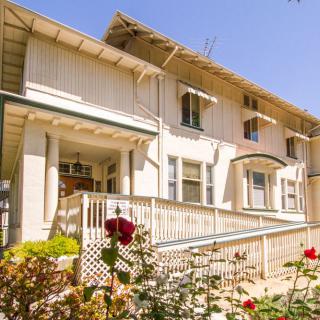
- The old-house conversion creates navigation challenges for residents and visitors.
- There is unequal quality of dining amenities, with the mobile residents’ dining room much nicer than the one for less-mobile residents.
- A resident in dire distress waited 45 minutes to an hour for help, indicating slow response times.
- Some residents with dementia or other mental ailments argued with staff, occasionally putting others in a bad mood.
- One resident felt he was too young to be there and became depressed during his time.
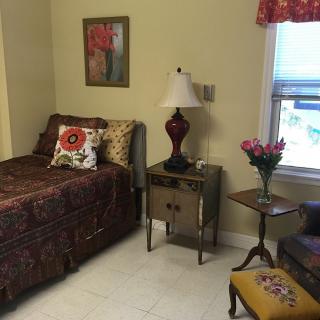
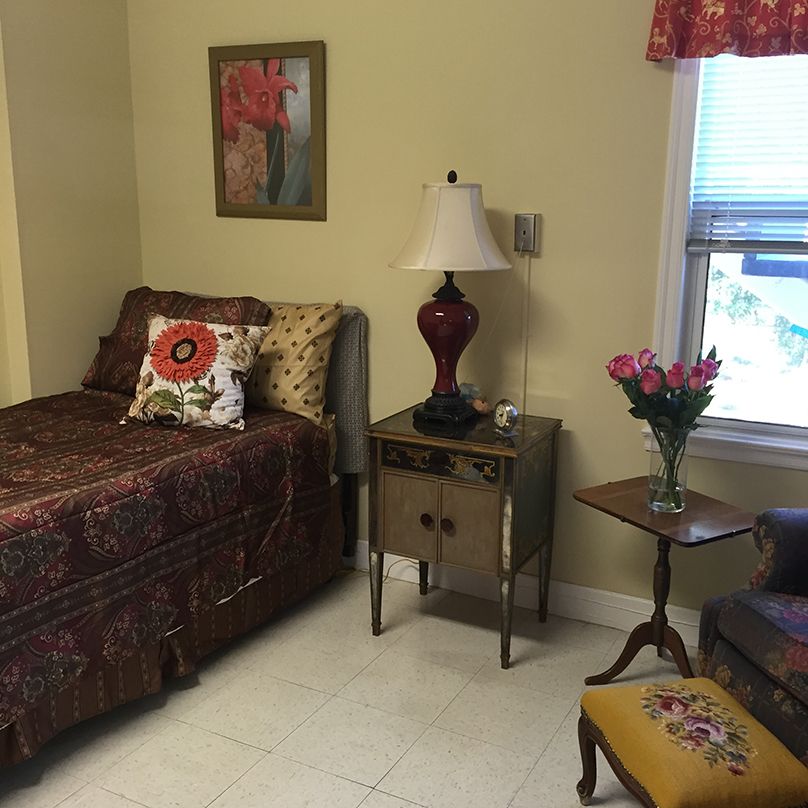
- The decor and room configurations included furniture left behind by former residents, giving the place an odd, unsettled feel.
Review
Hopkins Manor Pacific in Redwood City is best suited for seniors who need assisted living with steady, hands-on attention in a small, homelike setting. The community shines for residents with limited mobility or those recovering from a stroke, where staff can provide medication monitoring, dietary management, and consistent supervision without the sprawling clinical feel of larger campuses. Families noting a fixed or modest budget will find Hopkins a practical match: the environment emphasizes personalized care over luxury, and the scale allows for frequent reassurance through direct communication with caregivers. The case for Hopkins rests on dependable, affectionate staff who treat residents as individuals, not as numbers, making it a credible option for ongoing daily support and gentle recovery.
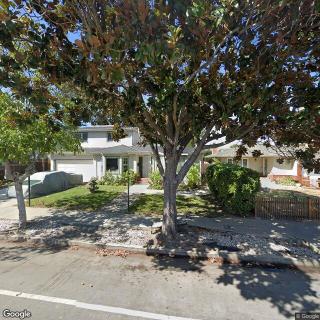
That said, alternatives exist for families prioritizing contemporary aesthetics, larger amenity suites, or more expansive public spaces. The building is older and not deluxe, with rooms that vary and in some cases feel rough around the edges. Navigation can be awkward in the converted-house layout, and the dining and common areas reflect mobility levels, sometimes creating a sense of uneven experience across residents. Those needing highly specialized memory care, rapid emergency response, or a consistently modern, hotel-like atmosphere may prefer a facility built as a purpose-built campus. Hopkins is a dependable caregiving hub, not a showroom, and that matters to many families.
Among the strongest advantages are the staff’s evident warmth and reliability, often described as caring, patient, and attentive by families. Medication oversight, individualized dietary planning, and near-constant supervision help families sleep better at night. The small community structure, about 45 residents, enables frequent, intimate interactions, and staff can mobilize quickly because several team members live on site. The facility supports a robust activities calendar, volunteers, and on-site services such as a full-time pharmacy technician and a professional exercise physiologist, which adds meaningful quality of life through regular engagement and gentle fitness. Those benefits partly offset the building’s age and limited modern amenities, creating a practical balance between care quality and environment.
However, the negatives do matter in careful decision-making. A key concern is slower response in urgent moments, evidenced by reports of extended distress calls before assistance arrived during a visit. The older house conversion presents navigation challenges that can complicate daily routines, and the room configurations, sometimes shared bathrooms or non-uniform layouts, may not suit every resident. Several reviewers note that the décor and atmosphere feel idiosyncratic or dated, which can impact mood for residents who value a cohesive, contemporary setting. Food quality also varies by individual preference, with some residents not loving every meal, even as others praise the options and desserts. Taken together, these factors temper the otherwise strong caregiving narrative.
From a decision-making perspective, Hopkins is a solid choice for stroke recovery or general assisted living where personal attention and family communication are central. Prospective families should verify caregiver-to-resident ratios during peak hours, inquire about the on-site pharmacy workflow, and request a tour at multiple times of day to observe response times. Request to see a sample menu and discuss meal variety with residents. Review room options, private versus shared, and confirm accessibility features, lighting, and safety amenities. Finally, inquire how volunteers and entertainment fit into the weekly rhythm, and whether the pace can adapt to a resident’s changing needs over time.
In the end, Hopkins Manor Pacific delivers reliable, loving care in a small, intimate setting that can be a lifeline for seniors requiring steady supervision and meaningful social engagement without the distraction of a large campus. It is an especially strong fit for families prioritizing consistent caregiver relationships, evident compassion, and practical budgeting over upscale finishes. Those seeking sleek décor, multiple resort-style amenities, or full-scale renovations may want to survey other options. For families balancing genuine care with realistic expectations, Hopkins offers a thoughtful, well-run alternative worth close consideration, provided due diligence is done through visits, candid questions, and straightforward comparisons with nearby choices.
 88 resident community capacity
 Studio apartments
 Assisted Living
 Hospice Agency
 Memory Care
 Respite Care
 Air-conditioning
 Beautician on-site
 Cable or satellite TV
 Computer center
 Dining room
 Fitness room
 Fully furnished
 Gaming room
 Garden
 Housekeeping services
 Kitchenette
 Laundry
 Meal preparation and service
 Move-in coordination
 Outdoor space
 Party space
 Private bathrooms
 Small library
 Telephone
 Wellness center
 Wi-Fi/high-speed internet available
 San Francisco International (12 miles away)
 Community operated transportation
 12-16 hour nursing
 24-hour call system
 Activities of daily living assistance
 Assistance with bathing
 Assistance with dressing
 Assistance with transfers
 Diabetes diet
 Medication management
 Mental wellness program
 Special dietary restrictions
 Concierge services
 Educational speakers / life long learning
 Planned day trips
 Religious services
 English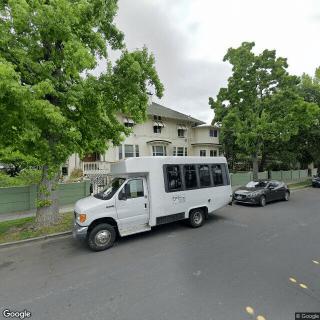

 How to Communicate with a Loved One Living with Dementia: 10 Supportive Strategies
 Comprehensive Guide to VA Nursing Homes: A Crucial Long-Term Care Resource for Veterans
 Estimating the Expenses of At-Home Dementia Care: A Detailed Exploration