
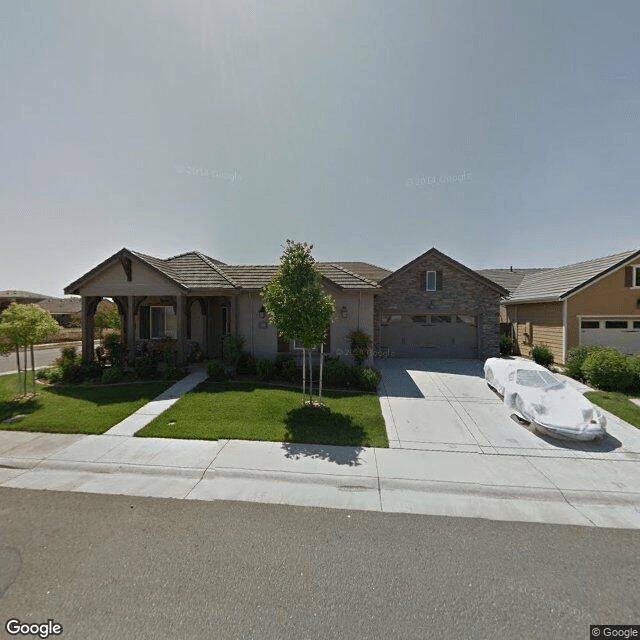
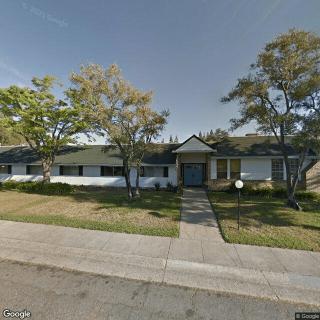
5117 Heather Ranch Way, Rancho Cordova, CA 95742
For more information about senior living options: (866) 208-4318
Ohana Hospitality Costs & Pricing
Ohana Hospitality offers competitive pricing for its accommodations, reflecting the unique value it provides. For a semi-private room, guests can expect to pay $4,000 per month, which positions it above both Sacramento County's average of $3,106 and the broader California figure of $3,333. Similarly, the private rooms at Ohana Hospitality are priced at $5,000 per month, again exceeding the local rate of $3,686 and the state average of $3,939. While the costs are higher than those in both county and state comparisons, they likely reflect additional amenities or superior service that Ohana Hospitality strives to deliver.
| Floor plans | Ohana Hospitality | Sacramento County | California |
|---|---|---|---|
| Semi-Private | $4,000 | $3,106 | $3,333 |
| Private | $5,000 | $3,686 | $3,939 |
Assisted Living communities with a similar price nearby
-
from +$500 / mo
Montclair Villa
$4,500 / month17.5 miles away -
from +$500 / mo
Sunriver Senior Care
$4,500 / month7.0 miles away -
from +$150 / mo
Ferrari
$4,150 to $5,500 / month23.1 miles away -
from +$590 / mo

Immaculate Care Home
$4,590 / month12.3 miles away -
from +$500 / mo
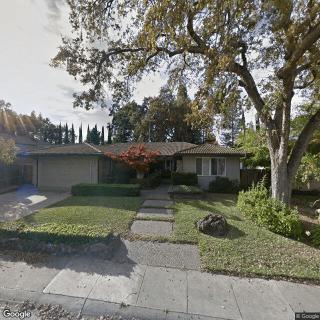
Century Care Home
$4,500 / month9.8 miles away
Overall Review of Ohana Hospitality
Pros
 The staff at Ohana Hospitality are kind and compassionate.
- The owner/operator loves her work and treats caregiving as a labor of love.
- The staff live onsite and provide stable, 24-hour care.
- Having the same caregivers helps residents build trust in a chaotic and stressful situation.
- Ohana Hospitality offers top-notch dementia care.
- The accommodations are spacious and well-appointed, with a large master suite and two beds.
- Daily activities like karaoke create a celebratory atmosphere every day.
- Dad enjoyed the food.
- Reviews highly recommend Ohana Hospitality for loved ones needing care.
Cons
 Unfortunately, due to Dad’s condition, he was unable to interact much with the other residents.
- The hospital and skilled nursing environments were often chaotic and stressful for residents.
Review
Ohana Hospitality in Rancho Cordova is best suited for families seeking dementia-focused, home-like assisted living where care is intensely personal and consistently delivered by a small, devoted team. The setting favors privacy and dignity: a master-suite option with its own entry, two beds, walk-in closets, and a large bathroom that supports independence even as needs evolve. Reviews portray care as anything but generic, the staff are described as kind, compassionate, and gentle, tailoring moments to a resident’s preferences. This combination makes Ohana a strong match for families who want a calm, intimate environment that emphasizes meaningful daily routines over a large, impersonal campus.
Those weighing alternatives should note that Ohana’s model may feel limited for residents who crave broad social life across a big community or who require a higher level of on-site medical oversight beyond dementia-focused care. If the goal is expansive group activities with a larger resident pool, or if budget allows for a more institutional setting with multiple clinics and dining options, other communities could be a better fit. The same caregiving model, exceptional consistency, also implies a smaller network of peers; families should consider whether a larger, more varied social platform aligns with the loved one’s engagement style and communication needs.
The strongest pro is the personality and stability of the caregiving team. The owner’s evident passion translates into a 24/7 onsite atmosphere, where the same small trio of caregivers meets the resident daily, building trust and delivering a predictable routine. That model directly offsets the challenge of advanced dementia limiting peer interaction: staff actively bring other residents into moments of connection, and even orchestrate in-room celebrations to honor the individual. Food quality and dementia-capable programming further reinforce the value, so the intimate setting and dedicated staff compensate for the limited social dynamic dictated by the progression of the condition.
Ownership matters at Ohana. The operator is described as deeply invested in the work, not simply overseeing from a distance, and that hands-on leadership permeates daily operations. Staff live onsite, ensuring stable, around-the-clock coverage and eliminating turnover that can disrupt trust. Families report that this continuity enables residents to form lasting bonds and maintain a familiar routine during dementia’s changes. The presence of three dedicated caregivers providing day-in, day-out contact emerges as a core strength, supporting individualized care plans and smoother transitions through evolving care needs rather than introducing a revolving cast of caregivers.
For families prioritizing a warm, home-like atmosphere and highly attentive dementia care, Ohana delivers. The master-suite accommodations preserve privacy and dignity, while daily activities, karaoke, themed events, and frequent birthday-style celebrations, offer a reassuring cadence that many loved ones find comforting. The overall culture, loving attention, personal touches, and responsive caregiving, creates a sense of safety and belonging that supports both residents and their families. When the goal is a life that feels manageable, predictable, and respectful, Ohana’s blend of intimate space and compassionate care stands out as a practical, defensible choice.
Prospective families should arrange a visit with a practical checklist: meet the owner and primary caregivers, tour the master-suite option, review the daily activity calendar, and observe how staff respond to routine preferences and unexpected moments. Inquire about caregiver-to-resident ratios, emergency readiness, and how care plans adapt as dementia progresses. For those weighing alternatives, consider options with larger communities or broader medical oversight to determine whether social variety or clinical breadth better aligns with long-term goals. For those who value a deeply invested ownership team, patient, personalized care, and a serene, homey setting, Ohana Hospitality stands as a well-grounded, thoughtful choice.
 6 resident community capacity
 1-bedroom apartments
 Assisted Living
 Board and Care Home
 Respite Care
 Activities off-site
 Bath tubs
 Cable or satellite TV
 Dining room
 Fully furnished
 Garden
 Housekeeping services
 Indoor common areas
 Move-in coordination
 Outdoor common areas
 Private
 Private bathrooms
 Telephone
 Wheelchair accessible showers
 Wi-Fi/high-speed internet available
 Sacramento International (23 miles away)
 24-hour supervision
 Ambulatory care
 Assistance with bathing
 Assistance with dressing
 Assistance with transfers
 Diabetes diet
 Diabetic care
 High acuity care
 Incontinence care
 Meal preparation and service
 Medication management
 Special dietary restrictions
 Transportation arrangement (medical)
 Transportation to doctors appointments

 Choosing the Right Senior Care: A Detailed Exploration of Assisted Living and Nursing Homes
 Understanding the True Cost of Assisted Living in 2025: A Comprehensive Guide
 Understanding Medicaid Coverage for Assisted Living: A Comprehensive Guide