
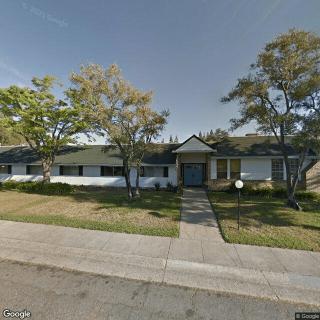
3499 Ponzi Court, Rancho Cordova, CA 95670
For more information about senior living options: (866) 208-4318
Overall Review of Tender Home Senior Care
Pros
 The reviewers describe Tender Care Home as absolutely amazing.
- The house is very clean.
- The food is healthy and the staff go above and beyond to make residents feel at home.
- There is a consistently welcoming energy on visits at any time of day.
- The reviewers feel fortunate to have found this place.
- The reviewers’ mother had a wonderful experience thanks to the staff’s kindness.
Cons
 The mom was neglected at this facility; the care from staff was substandard.
- The facility had only one employee, who quit because of the owner's attitude toward residents.
- The owner stated she would not pay someone from this country because it costs too much money.
- The owner is more concerned with making money than the loved ones' care needs and manipulates, lies, and doesn’t listen.
- The owner falsified documents, doesn’t fill out medical records sheets, and ignores input regarding the mother’s needs and medications.
- The power of attorney is ignored, contrary to the mother’s wishes.
- The rent was raised by $1,800 after a complaint, suggesting punitive action.
Review
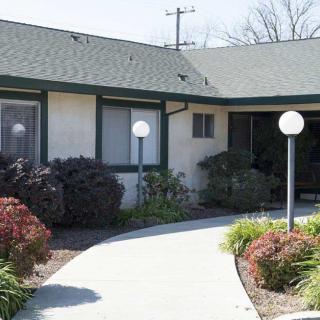
Tender Home Senior Care is best suited for families seeking a small, home-like setting where a loved one can receive daily, hands-on attention in a clean, warmly staffed environment. The residence cultivates a familiar, welcoming routine that makes frequent visits feel natural, with residents and families reporting a consistently “at-home” vibe. It works well for seniors who do not require round-the-clock medical monitoring and who respond positively to intimate, domestic surroundings rather than a larger, institution-like atmosphere. For a parent who thrives on personal connection, predictable daily rhythms, and visible caregiver presence, this option can feel like a comfortable first choice.
Those with more demanding medical needs should consider alternatives. If reliable medication administration, robust safety oversight, and stable staffing are non-negotiables, the risks raised in the record are meaningful. A facility that relies on minimal staff coverage, or where governance and accountability appear inconsistent, is less suitable for residents who require steady, professional supervision. Families seeking strict adherence to care plans, documented procedures, and proactive problem resolution may find a larger, licensed community or in-home care with documented policies more dependable.
The positives are clear and meaningful. Cleanliness is repeatedly noted, and meals are described as healthy, with staff members who go above and beyond to foster a homey feeling. The same welcoming energy is observed across multiple visits, suggesting a consistency in how residents are treated and how routines are carried out. When care staff are consistently attentive and personable, the day-to-day experience for both residents and families tends to feel predictable and reassuring, which can support emotional well-being and reduce the stress associated with transfer to care.
Yet the concerns raised cannot be dismissed. Serious red flags appear in reports of care gaps, including medication mismanagement, multiple falls, and hospitalizations. The narratives describe a scenario where staffing may not be sufficient to ensure safety during peak times, and where communication around medical needs appears inconsistent. Allegations of neglect and decisions that undermine a resident’s power of attorney, combined with claims of inappropriate handling of documents and even disputes over payroll and tenure, illuminate a governance issue that directly touches resident safety and trust. Such issues, if accurate, diminish the overall reliability of the setting.
Pros such as a clean, homey environment and compassionate daily interactions do not fully offset the weight of the safety and governance concerns. For families choosing this path, actionable safeguards are essential: insist on a formal, written care plan with up-to-date medication administration records; require a predictable caregiver schedule and a dedicated point person for daily updates; seek regular, documented oversight by a licensed administrator or ombudsperson; and demand access to licensing history and any prior corrective actions. A trial period with predefined safety milestones and exit clauses should be non-negotiable to test whether the care team can translate warmth into consistent, safe practice.
In the end, the decision hinges on risk tolerance and the ability to supervise care closely. Tender Home Senior Care can serve well for families prioritizing an intimate, home-like atmosphere and who are prepared to actively monitor care, enforce strict policies, and demand ongoing accountability. For those with significant medical needs, high fall risk, or an intolerance for governance concerns, alternatives, such as larger licensed communities or in-home options with verifiable staffing and transparent records, are strongly advisable. The choice should balance the comfort of a familiar, personable environment against the imperative of dependable safety, consistent care, and clear, trustworthy leadership.
 6 resident community capacity
 Assisted Living
 Board and Care Home
 Cable or satellite TV
 Dining room
 Fully furnished
 Garden
 Housekeeping services
 Move-in coordination
 Outdoor space
 Telephone
 Wi-Fi/high-speed internet available
 Sacramento International (19 miles away)
 24-hour supervision
 Activities of daily living assistance
 Assistance with bathing
 Assistance with dressing
 Assistance with transfers
 Diabetes diet
 Meal preparation and service
 Medication management
 Special dietary restrictions
 Transportation arrangement (medical)
 Transportation to doctors appointments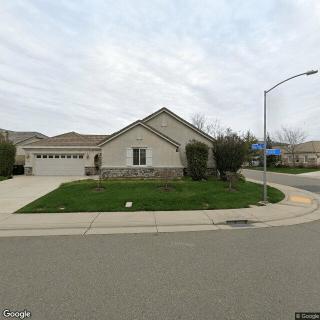



 Choosing the Right Senior Care: A Detailed Exploration of Assisted Living and Nursing Homes
 Understanding the True Cost of Assisted Living in 2025: A Comprehensive Guide
 Understanding Medicaid Coverage for Assisted Living: A Comprehensive Guide