

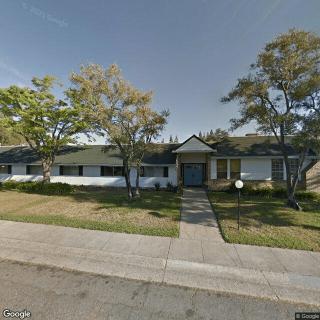
10812 Glenhaven Way, Rancho Cordova, CA 95670
For more information about senior living options: (866) 208-4318
Royal Gardens Elder Care Costs & Pricing
Royal Gardens Elder Care offers a private room option at a monthly cost of $4,500, which is notably higher than the average rates for both Sacramento County and the broader California state, where costs are approximately $3,686 and $3,939 respectively. This price point positions Royal Gardens above local and state averages, reflecting potentially enhanced services or specialized care that may justify the investment. Prospective residents may find that while the costs are elevated compared to surrounding facilities, they could be indicative of a premium living experience focused on quality care and supportive community atmosphere.
| Floor plans | Royal Gardens Elder Care | Sacramento County | California |
|---|---|---|---|
| Private | $4,500 | $3,686 | $3,939 |
Memory care communities with a similar price nearby
-
from -$500 / mo
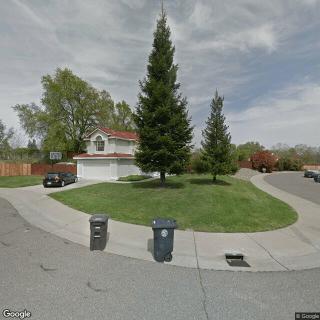
Sungarden Villa II
$4,000 / month6.6 miles away -
About the same
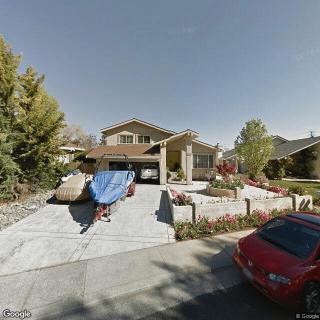
Sunriver Senior Care
$4,500 / month1.9 miles away -
from -$350 / mo
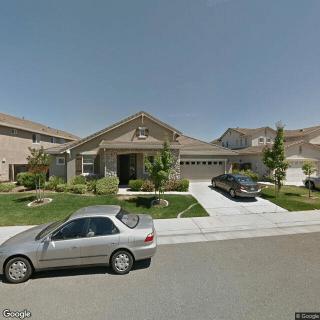
Ferrari
$4,150 to $5,500 / month17.7 miles away -
from -$500 / mo

Ashley Villa
$4,000 / month2.4 miles away -
from -$500 / mo

A Bright Future
$4,000 / month9.6 miles away
Overall Review of Royal Gardens Elder Care
Pros
 The facility was very clean.
- The staff were welcoming and easy to communicate with.
- They provided food, and there were no issues.
- The price met their budget.
- Residents were treated with utmost dignity and respect.
- There was good open communication between families and staff.
- The home offered a warm, family-oriented environment with attentive and responsive care.
Cons
 The reviewer did not have a good experience.
- The care was compromised due to the disruption between the care provider and hospice.
- They tried very hard to push their own Hospice Care and would not work with the existing provider.
- The reviewer felt it did not seem right to pursue that approach.
- There was a hard sell regarding hospice care and other services.
- The caregivers were not large enough to lift the loved one out of bed.
- The manager was not specific about costs, which was concerning.
- Transportation to medical appointments was expensive.
Review
Royal Gardens Elder Care is best suited for families seeking a warm, intimate, home-like setting where cleanliness, approachable staff, reliable meals, and straightforward, budget-conscious care are the core strengths. This community shines for residents who prefer a smaller house environment, six other residents in some cases, where staff accessibility and daily routines feel familiar rather than institutional. It is a solid choice for respite stays, and for seniors who anticipate ongoing hospice or support services but do not require a large-scale facility’s medical infrastructure. Families prioritizing a pleasant atmosphere, easy communication, and predictable daily life will find genuine value here.
That said, some families should consider alternatives. The clearest red flag is mobility and daily transfer support. Several reviews flag that caregivers may not be staffed or positioned to help residents out of bed or into a walker as effectively as hoped, which matters when a loved one needs regular assistance with mobility. If 24/7 skilled nursing, aggressive fall prevention, or robust in-house therapy services are non-negotiable, a larger facility with dedicated mobility teams may be preferable. Additionally, transportation costs for doctor visits can be high in this setting, so families with frequent appointments should factor budget and logistics into comparisons with other options.
The strongest positives, the squeaky-clean environment, dependable meals, and staff who are welcoming and easy to talk with, consistently offset several concerns. Cleanliness stands out as a durable, everyday assurance, while the meal program shifts toward more home-style dishes over time, a meaningful comfort for residents who crave familiar foods. The openness of communication and the ability to feel heard by caregivers frequently underpins trust with families, which mitigates worries about routine oversight. In short, the daily living experience here feels predictable and respectful, reinforcing a sense of safety and belonging for residents.
On the hospice coordination front, experiences are nuanced. One family praised dignified treatment and attentive staff who honored a loved one’s needs during hospice, highlighting that open communication and a calm environment can deliver meaningful continuity of care within this setting. Conversely, another account described pressure to rely on the facility’s own hospice line, which disrupted alignment with an outside provider and temporarily compromised the care plan. This variance underscores the importance of upfront, explicit planning: confirm which hospice partners are supported, who leads the care plan, and how outside services integrate with on-site staff. A written, agreed-upon plan reduces the risk of misalignment.
The resident mix and day-to-day atmosphere reinforce the homey, family-oriented character. The small-scale setting fosters closer staff relationships and frequent, personal interactions, contributing to a sense of safety and warmth. Homes-like meals, casseroles, soups, and the occasional pork steak, enhance comfort and dignity in daily life, especially for residents who prefer familiar, basic fare. Yet the flip side is the staffing reality; reviewers noted concerns about whether caregivers are sufficient in number to assist with bed transfers or help a resident get into a walker. Prospective families should weigh the peace of mind offered by a tight-knit ambiance against the practical need for reliable physical support.
In the end, Royal Gardens Elder Care delivers practical value for families prioritizing cleanliness, cordial staff, solid meal service, and a defensible sense of home. It is a strong pick for those who want a budget-conscious option that treats residents with respect and maintains open lines of communication. For families requiring intensive mobility assistance, a broader array of in-house medical services, or ironclad coordination with outside hospice partners, it is prudent to explore alternatives and compare total cost, staffing ratios, and care plans. Before deciding, conduct a thoughtful tour with a concrete checklist: typical staff-to-resident ratios during peak times, the exact scope of assistance provided for transfers and positioning, a transparent, itemized price structure including transportation, and a clear protocol for hospice coordination with the partner(s) of choice.
 6 resident community capacity
 Assisted Living
 Board and Care Home
 Memory Care
 Respite Care
 Activities off-site
 Cable or satellite TV
 Dining room
 Fully furnished
 Garden
 Housekeeping services
 Indoor common areas
 Move-in coordination
 Outdoor common areas
 Private
 Private bathrooms
 Telephone
 Wheelchair accessible showers
 Wi-Fi/high-speed internet available
 Sacramento International (18 miles away)
 24-hour supervision
 Ambulatory care
 Assistance with bathing
 Assistance with dressing
 Assistance with transfers
 Diabetes diet
 Diabetic care
 High acuity care
 Incontinence care
 Meal preparation and service
 Medication management
 Special dietary restrictions
 Transportation arrangement (medical)
 Transportation to doctors appointments






 Guiding Your Journey: Understanding Power of Attorney for Elderly Parents
 22 Remarkable Caregiver Support Groups Available Online and In-Person
 Understanding Medicaid Coverage for Assisted Living: A Comprehensive Guide