
643 North Maurer Street, Porterville, CA 93257
For more information about senior living options: (866) 208-4318
Price Elderly Costs & Pricing
When comparing the costs for Price Elderly to those in Tulare County and across California, it's evident that Price Elderly offers competitive pricing for both semi-private and private accommodations. For semi-private rooms, residents can expect to pay between $2,700 and $4,495 each month, which is notably lower than the average cost of $3,076 in Tulare County and the state average of $3,333. In terms of private rooms, the monthly rates at Price Elderly range from $3,300 to $5,495. This also positions them competitively against Tulare County's average of $3,980 and California's overall average of $3,939. Overall, Price Elderly provides a financially attractive option for elderly care within its region while maintaining a commitment to quality living standards.
| Floor plans | Price Elderly | Tulare County | California |
|---|---|---|---|
| Semi-Private | $2,700 to $4,495 | $3,076 | $3,333 |
| Private | $3,300 to $5,495 | $3,980 | $3,939 |
Assisted Living communities with a similar price nearby
-
from +$400 / mo

Glory Days
$3,100 / month22.6 miles away -
from +$500 / mo
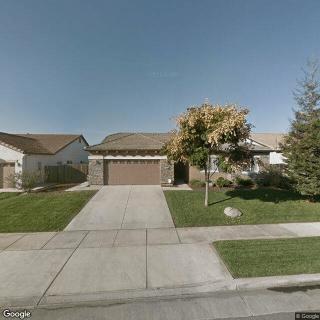
Premier Memory Care Home
$3,200 to $3,900 / month21.6 miles away -
from -$200 / mo
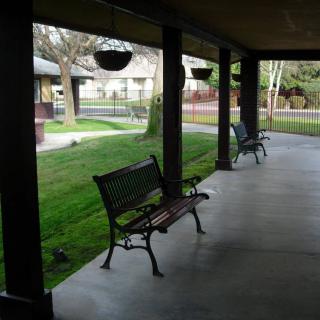
Evergreen Residence
$2,500 to $3,000 / month23.8 miles away -
from +$300 / mo
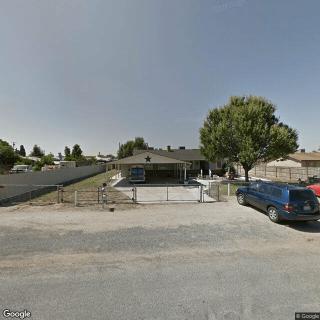
The Cottage
$3,000 to $3,600 / month8.3 miles away
Overall Review of Price Elderly
Pros
 CNAs are helpful and amazingly kind.
- The therapy department is described as the absolute best.
- The facility is great, well maintained and clean, with staff who are welcoming and responsive.
- Visitors are greeted immediately; the facility feels clean and uncluttered, and the staff are caring.
- The staff treat patients with care, and patients seem happy with timely attention.
- The welcoming team at RiverWalk is highly praised by visitors.
- The facility is recommended for rehab and caring for loved ones; it is described as an excellent experience.
- Call lights are answered promptly, and residents receive attentive care.
Cons
 The reviewer notes there is no compassion.
- The reviewer describes the facility as horrible, with staff who are rude and lack heart for their jobs, and suggests others find another place for their loved ones.
- The reviewer reports a safety concern: a patient’s oxygen hose was not connected to the machine, risking inadequate oxygen.
- The reviewer states nurses and the receptionist are rude and that the social worker does not return voicemails, calling the service horrible.
- The reviewer says this place sucks.
Review
This community is best suited for seniors who need robust rehabilitation and therapy services and who value a clean, well-maintained environment with active daily programming. When therapy is the focal point, residents often experience meaningful engagement and noticeable progress, driven by a team that can be responsive and personable during the course of a rehab stay. Families prioritizing structured activities, reliable CNA support, and an overall presentable campus will find footing here. The facility does not hide its strengths in therapy, cleanliness, and approachable staff at times, which makes it a reasonable option for those who want clear rehabilitation outcomes and a courteous, welcoming first impression.
Those who should consider alternatives are families with little tolerance for inconsistent service or persistent communication gaps. Several reviews highlight rude interactions, unreturned calls, and mismatches between what is promised and what is delivered. Serious safety concerns have been raised in anecdotal accounts, including a nurse or aide who may have failed to connect an oxygen supply, which underscores a need for impeccable bedside reliability. If steady, uniformly compassionate care, predictable staffing, and transparent accountability are non-negotiable, this community warrants a cautious comparison with other local options.
The strongest positives pivot on therapy quality, cleanliness, and generally attentive front-line staff. A number of residents and families praise a dedicated therapy department and the way activities are integrated into daily life, keeping residents engaged and focused on goals. The facility is described as well kept, with staff who are responsive during visits and who convey warmth. These attributes can translate into tangible rehab gains and a more pleasant day-to-day experience, particularly for residents who rely on consistent activity schedules and clear progress reporting. When these elements align, they offset a considerable portion of everyday irritants and create a hopeful rehab trajectory.
However, the gravity of the cons cannot be dismissed. Negative experiences centered on rude or unresponsive staff, missed communications with social workers, and perceived gaps in basic safety oversight carry outsized weight in choosing a long-term care plan. The disconnect between what some staff convey and what families experience can erode trust quickly, especially for relatives who must coordinate medical care, prescriptions, and discharge planning. In practice, this means therapy gains may be undermined by episodic lapses in bedside attentiveness, and the overall environment can feel uneven rather than steady and predictable.
From a practical decision-making standpoint, the facility’s value hinges on attended differences in daily care quality. Pros like an active therapy program, clean facilities, and generally helpful CNAs can be enough for families who can visit frequently, ask sharp questions, and insist on high standards. The flip side is clear: a pattern of rude interactions, slow or non-existent communication with social services, and safety-related miscommunications can derail peace of mind and increase family stress. Pros offset cons only to the extent that therapy outcomes and day-to-day interactions remain consistently strong; when they don’t, the negatives quickly dominate.
In the final assessment, this community can be a solid fit for residents prioritizing rehab-focused outcomes and a tidy, welcoming campus, provided there is an explicit plan to verify ongoing staffing reliability and safety practices. Families should demand concrete assurances: regular, measurable therapy milestones; direct access to therapy leadership; guaranteed CNA coverage during key hours; a transparent process for addressing concerns; and proactive oxygen-safety checks. Tours should include candid conversations with current residents about responsiveness and with social workers about follow-through. If those assurances are not forthcoming, or if consistent compassionate care and safety oversight remain uncertain, a well-researched alternative should be pursued with equal or greater urgency.
 6 resident community capacity
 Assisted Living
 Cable or satellite TV
 Dining room
 Fully furnished
 Garden
 Housekeeping services
 Move-in coordination
 Outdoor space
 Telephone
 Wi-Fi/high-speed internet available
 24-hour supervision
 Activities of daily living assistance
 Assistance with bathing
 Assistance with dressing
 Assistance with transfers
 Diabetes diet
 Meal preparation and service
 Medication management
 Special dietary restrictions
 Transportation arrangement (medical)
 Transportation to doctors appointments




 Comprehensive Insights into Activities of Daily Living (ADLs) and Their Assessment
 Guiding Elderly Parents Who Refuse Assisted Living: 6 Practical Steps
 Your Comprehensive Guide to Luxury Assisted Living: Elevated Facilities, Amenities, and Costs