
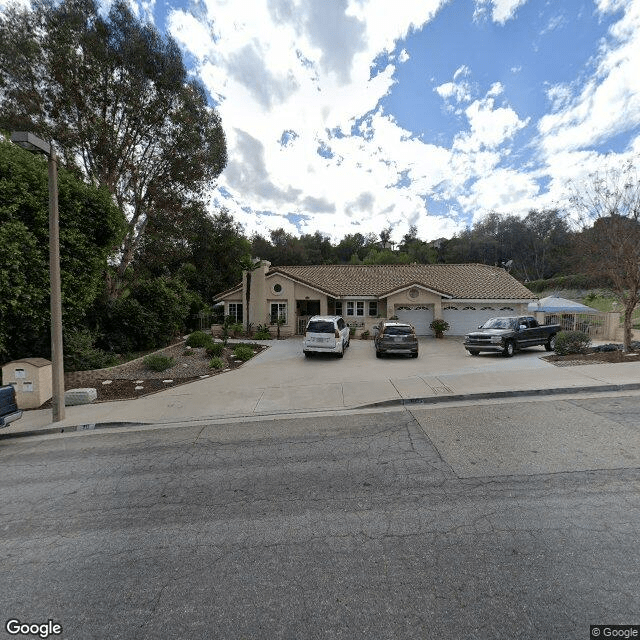
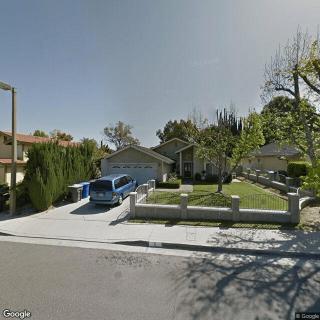
10 Franciscan Place, Phillips Ranch, CA 91766
To contact a resident: (909) 868-1810
For more information about senior living options: (866) 208-4318
D'Angelo Care Villa Costs & Pricing
D'Angelo Care Villa offers competitive pricing for its care services, with costs that reflect the quality and individualized attention provided to residents. For a semi-private room, the monthly fee is $3,500, which is slightly above the average rate of $2,958 in San Bernardino County and just under the state average of $3,333 for similar accommodations. In terms of private rooms, D'Angelo Care Villa's rate of $4,500 stands higher than both the county's average of $3,561 and California's average of $3,939. This pricing demonstrates D'Angelo Care Villa's commitment to delivering a superior living experience that may justify its premium rates while still remaining relatively aligned with broader regional market trends.
| Floor plans | D'Angelo Care Villa | San Bernardino County | California |
|---|---|---|---|
| Semi-Private | $3,500 | $2,958 | $3,333 |
| Private | $4,500 | $3,561 | $3,939 |
Senior living communities with a similar price nearby
-
from +$495 / mo
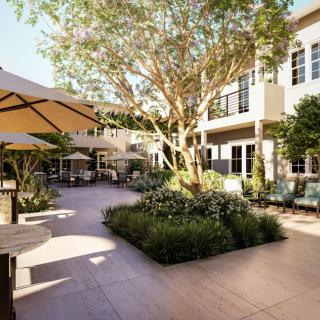
Cadence Brea
$3,995 to $5,500 / month10.0 miles away -
About the same
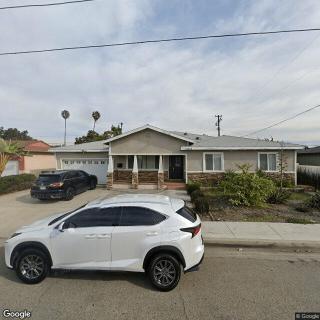
Loving Home Care
$3,500 to $4,500 / month21.9 miles away -
from -$200 / mo

Bella Manor II
$3,300 to $4,290 / month22.3 miles away -
from +$500 / mo
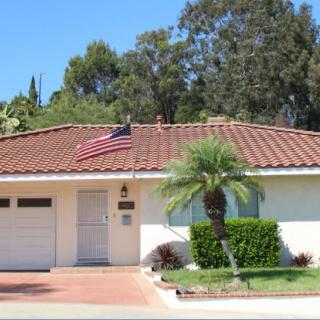
Palomino Residential Care
$4,000 to $6,000 / month20.3 miles away -
About the same
Aloha Residential Care
$3,500 to $6,500 / month16.4 miles away
Overall Review of D'Angelo Care Villa
Pros
 The room is clean.
- The director was super pleasant to talk to.
- The place sounds great.
- The place is nice.
Cons
 The family room area is small.
- The price is out of their budget at this time.
Review
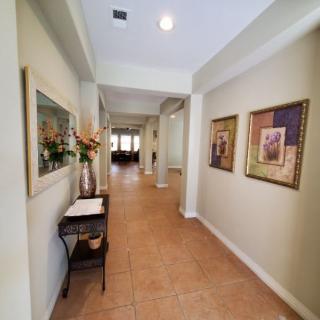
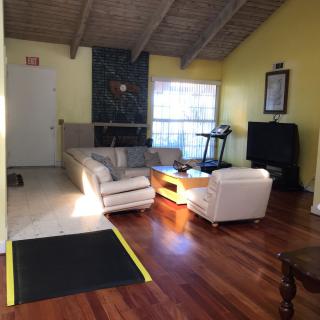
D’Angelo Care Villa in Phillips Ranch is best suited for seniors who want a truly small, home-like, owner-operated setting where care feels personal and communication is direct. This community shines for those who value quiet, private spaces, a hands-on owner presence, and a sense that decisions can be made without layers of bureaucracy. The base rate around $2,500 signals a mid-range price point for a boutique, intimate operation, appealing to families able to invest in a more individualized environment. However, it is not the right fit for those on a tight budget or for families seeking the breadth of services and large-scale programming common in bigger communities.
Pros are clear and meaningful for practical decision-making. A small family room area, a clean environment, and an owner who lives on site create a high-touch atmosphere where residents are known by name and routines are honored. The director’s pleasant manner in conversation reinforces a culture of responsiveness and courtesy, which matters when care coordination is needed on short notice. The nutshell benefit is trust: direct access to leadership, visible upkeep, and a sense that the place operates like a carefully run home rather than a distant facility. The combination of cleanliness and a personal touch makes this option feel secure for residents who prioritize stability and straightforward communication.
The main trade-offs follow logically from the size and scope of the operation. The footprint is small, which tends to limit shared spaces, activity programming, and the breadth of services offered. There is no explicit note of medical staffing, therapy services, or robust daily activities, which suggests a leaner level of support than larger assisted living communities provide. For residents who crave vibrant, scheduled social life or who require more intensive daily assistance, the limited environment can become a constraint. Budget is a central consideration as well, $2,500 is not trivial, and families on tighter income or needing frequent value-driven add-ons may feel priced out.
These trade-offs can be workable, though, when aligned with the right priorities. The owner-operated model and on-site presence tend to translate into higher responsiveness and personalized attention, which can offset the smaller scale. Residents who prize predictability, direct problem-solving, and a home-like routine will appreciate the fewer layers between concerns and action. Cleanliness and a clearly cared-for space reinforce confidence that daily living will be comfortable and stable, a meaningful offset to the absence of sprawling amenities or formal programming. In short, for those who value intimate oversight and a personable leadership dynamic, the positives largely balance the trade-offs.
For families evaluating options, concrete next steps matter. Request a detailed care plan and a written daily schedule to gauge how activities, meals, and supervision are actually structured. Inquiry should cover staffing levels, emergency procedures, and the availability of medical or therapeutic support, even if on a part-time basis. Ask for a sample menu and a tour of common areas to confirm what “small and clean” looks like in practice. Compare the total monthly cost with nearby boutique homes and larger facilities to understand where value lies, and consider a trial visit to observe daily rhythms and resident interactions. These steps clarify whether D’Angelo Care Villa’s intimate, owner-led model fits the senior’s care needs and family budget.
Ultimately, this community is a strong fit for seniors who want a warm, small-scale, owner-run setting with direct access to leadership and a tidy, homelike atmosphere. It is less suitable for those seeking extensive programming, medical oversight, or aggressive cost containment. Families with flexible budgets and a preference for personalized attention will find the benefits compelling, especially if the desire is to maintain a familiar, home-forward living arrangement. Those needing broader services, more social opportunities, or tighter cost controls should certainly consider alternatives, larger residential communities, or other boutique homes in the area, that can better align with tighter budgets or more comprehensive care expectations.
 Board and Care Home
 Activities off-site
 Beautician on-site
 Devotional services off-site
 Indoor common areas
 Outdoor common areas
 Private
 Respite or short term stays offered
 Wheelchair accessible showers
 Ontario International (11 miles away)
 Ambulatory care
 High acuity care
 Incontinence care
 Meals provided
 Christian services

 Recognizing the Journey: Understanding and Navigating Anticipatory Grief
 Encouraging Participation in Adult Day Care: A Guide to Supporting a Hesitant Parent
 Comprehensive Exploration of Living Wills and Other Advance Directives