
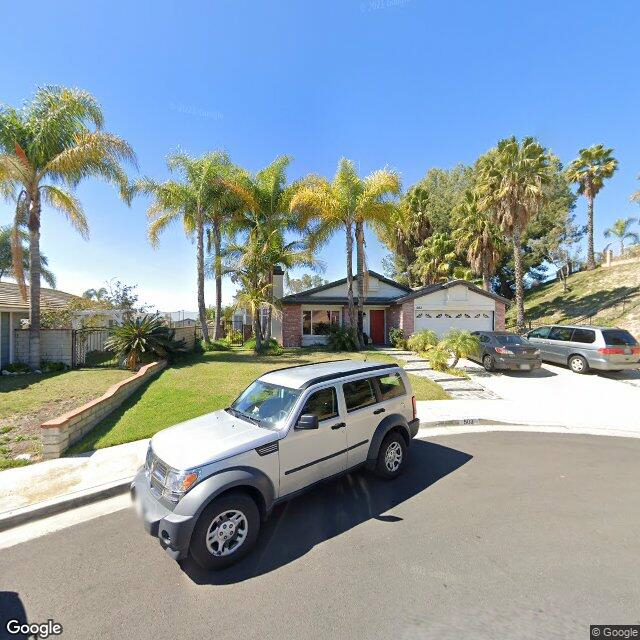
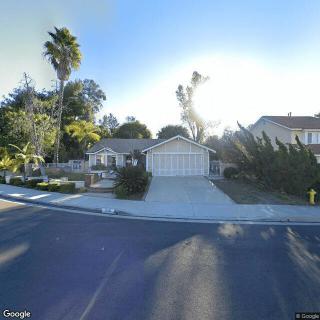
503 Dole Court, Diamond Bar, CA 91765
For more information about senior living options: (866) 208-4318
Lejenz Home Care II Costs & Pricing
Lejenz Home Care II offers competitive pricing for its room types when compared to the broader market in Los Angeles County and across California. For a semi-private room, residents can expect to pay $3,500 per month, which is slightly above the county's average of $3,349 but still remains in line with the state's average of $3,333. In contrast, the cost for a private room at Lejenz Home Care II is set at $4,000 monthly; this rate is slightly lower than Los Angeles County's average of $4,197 while notably more affordable than the California state average of $3,939. Overall, Lejenz Home Care II provides quality care at a reasonable value within the context of local and state-wide pricing trends.
| Floor plans | Lejenz Home Care II | Los Angeles County | California |
|---|---|---|---|
| Semi-Private | $3,500 | $3,349 | $3,333 |
| Private | $4,000 | $4,197 | $3,939 |
Assisted Living communities with a similar price nearby
-
from +$495 / mo
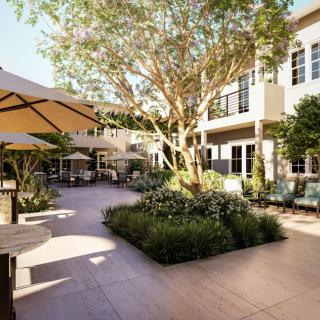
Cadence Brea
$3,995 to $5,500 / month9.2 miles away -
About the same
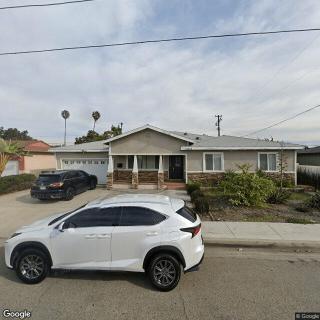
Loving Home Care
$3,500 to $4,500 / month21.1 miles away -
from -$200 / mo

Bella Manor II
$3,300 to $4,290 / month21.5 miles away -
from +$500 / mo
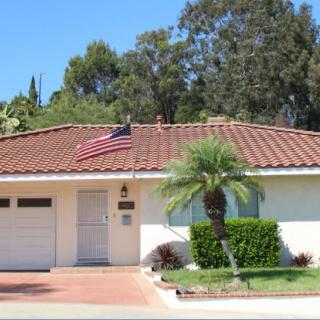
Palomino Residential Care
$4,000 to $6,000 / month19.8 miles away -
from -$500 / mo
Tabi's Facility Home Care
$3,000 to $3,500 / month15.0 miles away
Overall Review of Lejenz Home Care II
Pros
 The facility is run by a caring couple who go above and beyond to keep patients and their families comfortable and informed.
- The owners treat staff like family, creating a warm and caring atmosphere.
- The staff goes out of their way to ensure everything is well.
- The owner-operator is hands-on and helpful in all matters.
- The care team provides personal, loving attention to residents.
- The facility is reasonably priced with private and shared room options.
- They work well with Medicare Home Health and handle the necessary paperwork.
- They operate two homes with direct oversight and maintain a good mix of staff.
Review
Lejenz Home Care II is best suited for families seeking an intimate, home-like assisted living experience where care is delivered by a hands-on, owner-operated team. In Diamond Bar, CA, this small operation runs with two houses and a clearly personal touch that permeates daily life. Residents benefit from a warm, family-centered atmosphere, where staff are treated as part of the caregiving circle and management remains actively involved. The arrangement favors seniors who value straightforward communication, dependable consistency, and a sense of being known personally by the people who care for them. Private rooms come with a clearly described, affordable-feeling pricing structure that keeps monthly costs predictable for families navigating long-term care decisions.
Those considering alternatives should note several realities. The model here does not resemble a large campus with broad medical infrastructure or a formal dementia-focused program. For seniors requiring high-acuity medical management, complex memory care, or a large array of on-site specialized services, a bigger community with dedicated nursing staff and structured clinical pathways may be a better fit. Families prioritizing robust social calendars, expansive activity programming, or rapid access to a wide network of therapeutic services might find a larger setting more aligned with their expectations. Location-specific preferences and the desire for a more clinical, hospital-like rhythm should also steer families toward other options.
The strongest positives converge around the ownership and the daily culture. The owners’ hands-on leadership shows up in practical ways: a consistently present, attentive approach that translates into reliable communication with families and a genuine sense of accountability. Staff are regarded as part of the extended family, which nurtures a respectful, low-ego environment and helps residents feel secure. The two-home setup provides some geographic flexibility within Diamond Bar, while ongoing coordination with Medicare Home Health reduces the administrative burden for families by handling paperwork and maintaining current service activity on the resident’s behalf. Cleanliness and a friendly, talkative staff further reinforce the impression of a well-kept, welcoming setting.
Despite the laudable strengths, the model has clear trade-offs. The size and scope of Lejenz Home Care II mean that medical resources are not as expansive as those found in larger, more medically oriented communities. There is an understandable reliance on external Home Health services for clinical tasks, which means families should confirm that the level of in-house nursing or on-call medical oversight meets the resident’s current needs. Variability between the two houses is a practical reality to verify, both in terms of staff consistency and programming, and the intimate scale can limit certain amenities or spontaneous, high-energy activity options that larger campuses routinely offer. Yet the owner-led oversight partially cushions these gaps by ensuring high-touch attention and rapid responsiveness.
For families weighing the decision, practical next steps sharpen the judgment. Schedule in-person visits to both homes, meeting the care teams and the person who would be responsible for day-to-day coordination. Inquire about staffing ratios, night coverage, and the process for escalating medical concerns. Confirm how the facility integrates with a resident’s physician, pharmacy, and any required therapies, and ask to review licensing, inspection reports, and any recent care plans. Clarify pricing, including what a private-room rate covers versus potential add-ons, and confirm how Medicare Home Health services would be coordinated as needs evolve. These conversations reveal whether the intimate, relationship-driven approach aligns with the resident’s medical and social priorities.
In the end, Lejenz Home Care II stands out as a compelling choice for families prioritizing warmth, direct owner involvement, and a budget-conscious private-room option in a small, familiar setting. It excels where personal attention, honest communication, and a homelike daily rhythm matter most. If the senior’s needs are comfortably met by a caregiver-first model and the family seeks the reassurance that comes from owners who know every resident by name, Lejenz offers a strong alignment. Conversely, when the priority shifts to extensive medical programming, dementia-specialized structure, or a broad social ecosystem, exploring larger facilities may deliver advantages that this intimate community cannot. The decision should hinge on the resident’s medical needs, desired level of independence, and comfort with a small, owner-led environment.
 6 resident community capacity
 Assisted Living
 Board and Care Home
 Activities on-site
 Air-conditioning
 Cable or satellite TV
 Devotional services on-site
 Dining room
 Fully furnished
 Garden
 Handicap accessible
 Housekeeping services
 Indoor common areas
 Move-in coordination
 Outdoor common areas
 Private
 Telephone
 Wheelchair accessible showers
 Wi-Fi/high-speed internet available
 Ontario International (11 miles away)
 24-hour supervision
 Assistance with bathing
 Assistance with dressing
 Assistance with transfers
 Diabetes diet
 Meal preparation and service
 Medication management
 Special dietary restrictions
 Transportation arrangement (medical)
 Transportation to doctors appointments
 Forever fit
 Karaoke
 Live dance or theater performances
 Live musical performances
 Live well programs
 Trivia games
 Wii bowling


 Exploring the Contrasts Between Assisted Living and Skilled Nursing
 8 Key Indicators That Suggest It May Be Time to Transition from Assisted Living to Skilled Nursing Care
 Vibrant Senior Living: A Comprehensive Guide for Active Older Adults