
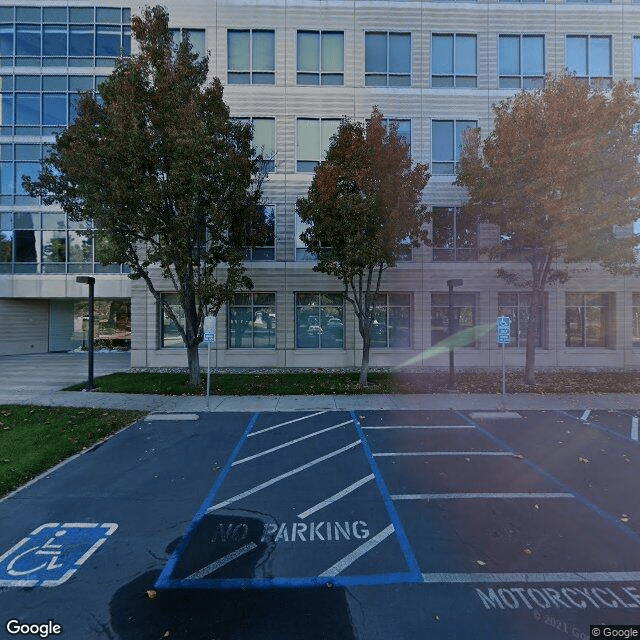
6200 Stoneridge Mall Rd., Suite 300, Pleasanton, CA 94588
To contact a resident: (925) 475-1441
For more information about senior living options: (866) 208-4318
Overall Review of TheKey of Pleasanton, CA
Pros
 Nikhil and his team are responsive and adept at handling complex care situations.
- They are East Bay’s only Parkinson’s Foundation Community Partner.
- Their communication with families is steady and reliable.
- The Tri-Valley and Diablo/Walnut Creek area is supported by a solid, capable team.
- Nikhil is described as having integrity and empathy, making clients feel like family.
- Right at Home is a caring homecare company with staff who consistently demonstrate warmth.
- Anika is a compassionate caregiver who pays attention to detail and makes Garnet feel like family.
- The staff are professional, compassionate, and consistently provide high-quality care.
- Caregivers such as Kelly, T, and Morgan are extraordinary and genuinely care for clients’ well-being.
Cons
 The cost was higher than expected for Right at Home’s services.
- The cost is a bit high for their one-on-one care.
- Right at Home does not offer medical services, which is a notable limitation.
Review
TheKey of Pleasanton is best suited for families seeking a high-touch, relationship-driven care approach where a steady, compassionate caregiving team delivers consistent support in a home-like setting. This community will appeal to seniors who prioritize daily warmth, proactive communication, and a flexible care plan that can adapt as needs shift. It works well for residents who benefit from individualized attention and relish meaningful caregiver connections, rather than a strictly clinical or hospital-like environment. For those who prize rapid access to medical oversight, skilled nursing, or highly regimented programming, however, this may not be the ideal fit. The strongest match emerges when a loved one values reliability, intimate caregiver continuity, and a living arrangement that feels like a trusted extended family more than a traditional institutional setting.
Not every family will want to pursue this path, and alternatives deserve explicit consideration. If medical management or on-site nursing is non-negotiable, families should compare options that provide round-the-clock medical oversight within a licensed facility. For those who prefer care delivered directly in the home rather than a community setting, in-home agencies that emphasize personalized, one-on-one caregiving, such as East Bay providers noted for their responsive, adaptable service, offer a compelling benchmark. The Parkinson’s-specific credibility seen in some home-care partnerships serves as a useful reference point for families prioritizing structured, condition-focused support. In short, the key trade-off centers on medical services versus deeply personalized companionship; the right choice aligns with which of these needs dominates the elder-care equation.
The strongest pros in this landscape are the elements that most directly reduce family stress and elevate a loved one’s day-to-day experience. Caregivers who show up with warmth, professionalism, and attentiveness can transform routines into moments of dignity and connection. In practice, families repeatedly highlight steady communication, responsiveness to evolving needs, and a non-generic, thoughtful care plan rather than a one-size-fits-all approach. When caregivers are treated like trusted partners and adherence to a clear plan is coupled with frequent updates, peace of mind compounds, especially in corner cases where memory challenges, mobility issues, or safety concerns demand a proactive stance. These benefits tend to offset higher costs and the absence of in-house medical services by delivering consistent, reliable, and emotionally supportive care.
Yet the most meaningful advantages must be weighed against the primary drawbacks. The documented reality is that this care model often comes with a premium price tag, and some families discover that the absence of on-site medical services requires additional coordination with external clinicians or facilities. The lack of in-house skilled nursing can be a decisive limitation for those facing complex medical regimens, frequent hospital visits, or sudden changes in health status. Additionally, while caregiver turnover can be mitigated by strong leadership and a culture of care, any disruption in staffing inevitably affects continuity. The bottom line is that the value proposition rests on the degree to which a family cherishes consistent, one-on-one attention and can absorb the need for external medical coordination when health needs escalate.
To make a well-informed decision in Pleasanton, concrete, role-specific questions should guide conversations. First, map the full scope of services and confirm whether medical oversight is available on-site or through trusted partnerships, plus how emergencies are managed after hours. Second, probe caregiver-to-resident ratios, turnover, and the process for maintaining continuity of care; insist on a written, dynamic care plan with milestones and measurable goals. Third, scrutinize the provider’s ability to tailor programming to Parkinson’s, dementia, or memory-care needs, if relevant, and whether staff have specialized training or affiliations akin to the Parkinson’s Foundation credibility noted in East Bay options. Fourth, request recent references and verifiable outcomes, updates, consistent progress notes, and candid discussions about limitations. Finally, compare overall costs against the comfort of knowing a trusted caregiver team is always within reach, balanced with a plan for medical support if the health picture shifts.
In the end, the decision hinges on priority. For families that prize intimacy, trust, and responsive, person-centered care, and that can arrange for external medical management when required, TheKey-like community in Pleasanton offers a compelling path forward. The benchmark set by top home-care providers shows that when care teams treat clients like family, communicate with deliberate clarity, and adapt swiftly to changing needs, the result is a markedly higher quality of daily living and markedly lower family strain. If medical oversight, guaranteed 24/7 clinical presence, or cost sensitivity are non-negotiable in the current chapter, alternatives that center on facility-based medical services or more budget-conscious options deserve thorough comparison. The prudent course is to engage with multiple providers, seek a live or day-visit experience to gauge caregiver chemistry, and insist on a robust care plan that lays out how evolving needs will be managed, then choose the option that best aligns with the loved one’s health trajectory, preferred living environment, and the family’s capacity to coordinate care.
 Metropolitan Oakland International (16 miles away)






 Understanding Hospice Care at Home: Comprehensive Services, Key Benefits, and Eligibility
 Understanding the Full Cost of 24/7 In-Home Care: A Detailed Overview
 Exploring the World of Home Health Nurses: Qualifications, Roles, and Hiring Tips