
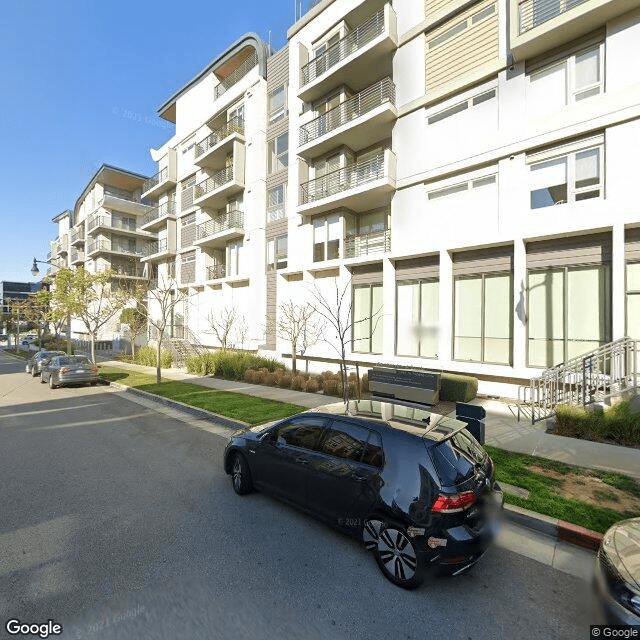
12490 Fielding Circle, Playa Vista, CA 90094
For more information about senior living options: (866) 208-4318
Overall Review of Fountianview At Gonda Westside
Pros
 The facility provides great care to its residents.
- The valet service is a dream for guests and residents.
- The dining experience is delicious.
- The grounds are beautiful, the food is good, and everything is spotless.
- The memory care staff deliver first-class care and attention.
- The staff consistently accommodates requests and coordinates appointments with patience and respect.
- Families feel peace of mind knowing their loved ones receive exceptional care and attention.
Cons
 They allege elder abuse and describe the staff as incompetent and abusive.
- They say the staff are rude to residents, scream at them, and display a disgusting attitude.
- They claim the facility charges a fortune but provides poor care and insufficient services.
- They say the on-site administration seems to have no real authority and prioritizes appearances over residents.
- They report discrimination against residents who use scooters.
- They complain about theft and laundry issues, including clothes not washed properly and shrinking.
- They describe an incident where a male staff member changed a resident, causing distress.
- They criticize the lack of transportation/shuttle services and the slow valet.
Review
Fountainview at Gonda Westside is best suited for families seeking a refined, memory-care–forward environment where leadership visibility and a high-touch care culture can translate into meaningful daily attention for residents. The campus presents a polished, clean, and aesthetically pleasing setting with noticeably strong dining and a valet experience that signals a premium experience. When memory care is the priority, the reviews repeatedly point to a care team that can stay engaged, coordinate medical needs, and manage sundowning with patience and respect. For families who want an executive presence that appears aligned with resident well-being, the combination of a dedicated memory-care focus and a beautiful, well-maintained milieu can feel like a solid match. The positive testimonials about the nursing and care staff, along with the praise for the Executive Director and her team, reinforce that this community can deliver real value in the right circumstances.
That said, serious caveats accompany the favorable view. Potential buyers of time and dollars should consider alternatives if governance, staffing consistency, or transportation access are non-negotiables. The facility is in the process of being sold to SRG Senior Living, a for-profit operator, with completion projected within 90 days. Ownership changes can ripple through terms, staffing priorities, and resident policies, so families must weigh the potential benefits of fresh governance against the disruption and uncertainty that accompany a midstream transition. On top of governance questions, there are credible, high-stakes concerns raised by families about abuse, disrespectful treatment, and inconsistent care practices. These claims demand careful vetting, any community with such allegations requires rigorous inquiry, transparent responses, and verification through licensing records and on-site conversations with current residents and staff.
On balance, the strongest pro line appears where care culture intersects with memory care needs. Several reviewers commend the on-site team for not turning away requests, for facilitating practical support, placing items in a fridge, coordinating Zoom calls, arranging medical appointments, and for maintaining a humane, respectful approach to sundowning. In memory care, where routines and trustworthy staff interactions become critical, the visible commitment of certain caregivers and the leadership to sustain a compassionate environment can offset a number of operational irritants. The environment itself, beautiful grounds, clean interiors, and a dining program described as delicious, adds to resident satisfaction when staff consistently demonstrate engaged, respectful care. For families prioritizing memory-care continuity and a high-quality setting, these elements can carry significant weight.
However, the drawbacks cannot be dismissed as minor friction. Reports of poor dining service quality and staff attitudes, including rude interactions and hostile dynamics, erode confidence in everyday experiences that families rely on, such as predictable meal service and respectful communication. Problems described as discrimination against mobility aids and other accessibility issues compound the concern, signaling that resident dignity and equal treatment are not uniformly protected across all days and shifts. The perception of “absentee” administrative authority, where on-site leadership seems unable to enact consistent policy or empower frontline staff, adds another layer of risk, especially for families evaluating long-term stability. Parking constraints, limited shuttle service, and even basic accessibility features (like automatic doors) reflect gaps between the upscale branding and the practical realities of daily resident life.
For families moving toward a decision, practical due-diligence steps should guide the process. Schedule time to observe dining service at multiple meal periods, speak directly with residents and family members about daily interactions, and request candid conversations with the Executive Director and the head of memory care. Probe into staff training, retention, and anti-abuse policies, and request examples of how concerns have been handled in the past. Demand clarity on the ownership transition: what changes are anticipated, how pricing and billing terms will be affected, and whether any staffing or policy disruptions are planned. Finally, test transportation options and accessibility lifts, confirm whether shuttle services exist, how drop-offs work, and whether doors and entry points accommodate mobility devices without friction. A concrete plan, including a trial period or staged move-in, helps separate aspirational promises from day-to-day reality.
Ultimately, Fountainview at Gonda Westside offers a compelling combination of elegance, memory-care orientation, and a dedicated care ethos that can deliver meaningful quality of life for residents who can tolerate governance fluidity and certain operational risks. The strongest case is for families that prize a high-caliber care culture and the reassurance of capable staff when memory care needs intensify, provided that ownership transition is managed transparently and staffing remains consistently attentive. For those who cannot absorb potential policy shifts, inconsistent dining experiences, or questions about civil treatment and accessibility, alternative communities with more stable governance, stronger transportation provisions, and a proven track record of uniform resident experiences may be a wiser match. In short, Fountainview is worth considering for the right family, one prepared to scrutinize governance, confirm staff quality, and verify transportation and accessibility, and to demand concrete assurances before committing long term.
 Assisted Living
 Independent Living
 Memory Care
 Activities on-site
 Devotional services off-site
 Indoor common areas
 Los Angeles International (3 miles away)
 Ambulatory care
 Diabetic care
 Meals provided







 How to Communicate with a Loved One Living with Dementia: 10 Supportive Strategies
 Comprehensive Guide to VA Nursing Homes: A Crucial Long-Term Care Resource for Veterans
 Estimating the Expenses of At-Home Dementia Care: A Detailed Exploration