
4880 Rivendale Road, Placerville, CA 95667
For more information about senior living options: (866) 208-4318
Overall Review of Pleasant Care Home
Pros
 The setting is beautiful for senior care in a healthy environment, with good food and a wonderful Christian family atmosphere.
- Lina and Nelson are amazing, providing home-cooked meals that are healthy and full of fruit, making families feel like part of the care team.
- Pleasant Care Home offers a warm, loving environment that instills peace of mind in families.
- Residents with Alzheimer’s/Dementia have shown improved eating habits and overall well-being since moving there.
- The home provides regular meals and attentive care, with a caring and accommodating staff.
- The owners are loving, kind Christian people who host church services and other activities, creating a strong community feel.
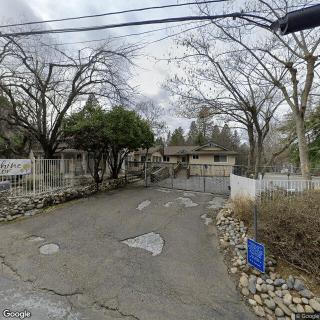
- The surroundings are pleasant, including a beautiful deck and friendly pets, contributing to a non-hospital, home-like atmosphere.
- The cost is reasonable and often cheaper than comparable private care options.
Cons
 The administrator screamed at a family member, was verbally abusive, threatened eviction, and attempted to extort more money.
- She refused to allow medical appointments or visits since the start of COVID-19.
- Observers warn to stay away from the facility to protect loved ones.
- The caregivers yelled at residents, and the facility is described as horrible, with ulcers blamed on staff.
- At full capacity there is not enough room or restrooms, and porta potties are used in residents' rooms, posing fall risks.
- Residents are restricted from personal devices and activities, with no outings or meaningful engagement.
Review
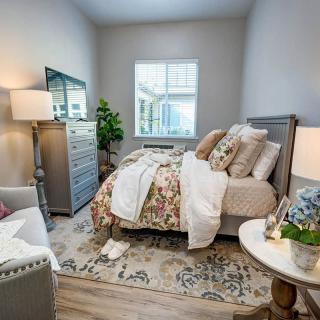
Pleasant Care Home in Placerville is best suited for families seeking a warm, intimate, home-like setting where a small staff can provide attentive, personal care within a Christian, family-oriented atmosphere. It appeals to elders who do well in a non-clinical environment, enjoy home-cooked meals, and value the sense that staff and residents become part of a extended family. For dementia or memory-related care, the residence is often praised for improving appetite, mood, and daily engagement, with residents described as living in a warm, supportive home. The property’s country feel, private rooms, the option to keep a beloved pet, and the presence of on-site activities and church services further align with families prioritizing comfort, continuity, and a non-institutional vibe. Those who prefer rigorous medical oversight, frequent outside appointments, or highly structured programming may find Pleasant Care Home falls short of expectations.
The strongest positives center on atmosphere and daily life. Reviewers repeatedly highlight a beautiful setting, good home-style meals, and a genuinely caring, Christian-minded staff and ownership. Families report that the environment feels like a private residence more than a nursing facility, with porch time, pets, and a deck contributing to a sense of dignity and calm. For residents who thrive on personal attention and a peaceful routine, these elements translate into meaningful quality of life, especially when a loved one has or is recovering from cognitive challenges. Long-seated residents and their families emphasize the perceived warmth of caregivers, the calm pace, and the feeling that the place is more like home than a hospital. Cost is noted as reasonable for this level of private care, which can be a decisive factor for families balancing budget with care needs.
However, significant caveats command serious consideration before choosing Pleasant Care Home. Several reviews paint a troubling picture of management, with accounts of verbal confrontation, aggressive responses to questions, and even threats of eviction. The most alarming reports allege refusal to allow medical appointments or outside visits, conduct that would raise red flags for safety and continuity of care. Budget-related tensions, such as rent increases coupled with attempts to extract additional funds, further undermine trust in the administration. These issues are not isolated anecdotes; they recur across multiple accounts and create a real risk that a loved one’s medical needs or autonomy could be compromised if concerns are not addressed promptly and transparently.
Additional drawbacks concern capacity and day-to-day logistics. At full capacity, space can feel crowded, with complaints about limited restrooms and dependence on outdoor or communal entertainment rather than diversified activities inside the home. Instances of staff shouting at residents, limited responsiveness to concerns, and the perception of a rigid, rule-heavy environment contribute to an impression that, for some residents, dignity and choice could be constrained. Some reviews also describe restrictions around personal devices and activities, which can be frustrating for residents who still value autonomy or for families seeking ongoing engagement opportunities. These factors don’t negate the care quality in every case, but they do tilt the balance for families who prize transparency, respect, and proactive communication.
In practical terms, Pleasant Care Home represents a trade-off: a comforting, economical, homelike setting with meaningful dementia-support potential, offset by concerns about administrative behavior and the potential for restricted autonomy. For families who prioritize a serene environment, where meals and companionship carry substantial weight and where a loved one has shown resilience in a small-team setting, this facility can deliver peace of mind and real day-to-day quality of life. For those who cannot tolerate reports of pushback to medical needs, punitive atmosphere around questions, or aggressive financial practices, alternatives with stronger governance, clearer care protocols, and more robust activity programming should be explored.
Decision-makers weighing options should assess two core priorities. If safety, respectful communication, and timely medical coordination are non-negotiable, it is prudent to search elsewhere and compare facilities with documented, consistently positive administrator and caregiver interactions. If, instead, the primary need is a nurturing home environment that emphasizes meals, companionship, and dementia-friendly routines at a reasonable price, Pleasant Care Home can be a compelling fit, provided a transparent plan is established before move-in. Prospective families are advised to visit multiple times, speak directly with current residents and families, request a clear outline of care protocols, and probe how medical appointments and emergencies are managed, who makes care decisions, and how concerns are escalated. Only with that clarity can one determine whether Pleasant Care Home will be a steady, supportive home or a better match lies elsewhere.
 10 resident community capacity
 Assisted Living
 Board and Care Home
 Cable or satellite TV
 Dining room
 Fully furnished
 Garden
 Housekeeping services
 Move-in coordination
 Outdoor space
 Telephone
 Wi-Fi/high-speed internet available
 24-hour supervision
 Activities of daily living assistance
 Assistance with bathing
 Assistance with dressing
 Assistance with transfers
 Diabetes diet
 Meal preparation and service
 Medication management
 Special dietary restrictions
 Transportation arrangement (medical)
 Transportation to doctors appointments



 Assisted Living Expenses and Long-Term Care Insurance: A Comprehensive Exploration
 Securing Financial Support for Assisted Living: A Comprehensive Overview
 Social Security Benefits and Assisted Living: Navigating Options Across the U.S.