
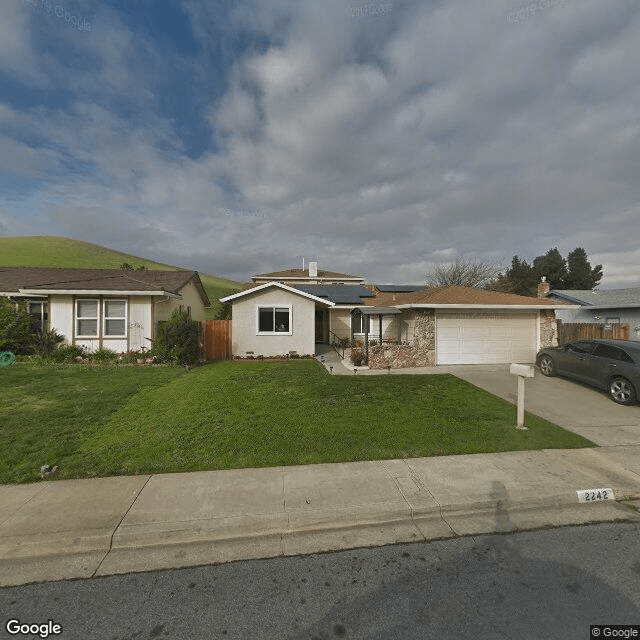
2242 Mt. Whitney Drive, Pittsburg, CA 94565
For more information about senior living options: (866) 208-4318
Overall Review of Sivilay Elderly Home Care
Cons
 The patient was left alone in the shower despite having a fall-risk bracelet.
- He fell and was injured, and the family was not notified about the accident for nearly an hour.
- The staff failed to supervise the patient adequately, compromising his safety.
- Administration and supervisors were careless about the incident.
- These safety and communication failures led to the patient being pulled out of the facility.
Review
Sivilay Elderly Home Care in Pittsburg, CA is best suited for families seeking a smaller, home-like setting where a senior who needs daily assistance and some level of medical support can receive hands-on, personalized attention. The community tends to appeal to residents who prefer a quieter, more intimate atmosphere and a staff cluster that feels approachable and accessible. For families prioritizing warmth, familiar routines, and the sense that a caregiver knows their loved one’s quirks and preferences, this option often delivers a reassuring daily rhythm in a neighborhood-like environment rather than a sprawling campus.
However, this community may not be the right fit for those who require rigorous safety protocols and transparent, proactive incident management. The most serious recent concern involved a resident who had a stroke and, after a fall, was left unattended in the shower and not promptly communicated to family. The lapse, no call to inform relatives and a delay in reporting the accident, highlights a critical gap in supervision and emergency responsiveness. This kind of failure is not a minor misstep; it directly questions the facility’s ability to protect residents in high-risk moments. Families whose top criteria include immediate, clear communication and robust fall-prevention practices should weigh alternatives carefully.
On the plus side, the overall sentiment in multiple positive experiences points to a setting where staff are accessible and residents can build trusting relationships with caregivers. A smaller, community-focused environment often translates to more individualized attention, less impersonality than larger campuses, and staff who know residents’ routines, preferences, and needs. For families valuing continuity of care and the comfort of a consistent daily schedule, these qualitative strengths can make a meaningful difference in mood, engagement, and perceived quality of life for a senior who thrives on predictability and personal interaction.
Yet the main safety concern cannot be brushed aside as a mere miscommunication. The incident underscores potential weaknesses in supervision, fall-risk management, and escalation processes. If a facility tolerates delays in reporting emergencies or fails to activate a care plan promptly after a fall, the risk to residents rises in ways that can have lasting consequences. This reality shifts the decision calculus: the perceived warmth and familiarity are compelling, but they must be matched by reliable, verifiable safety practices and a culture that treats every alarm as a priority rather than a routine event.
Families evaluating this community should pursue concrete assurances: exact staffing ratios by shift and how they fluctuate during nights and weekends; the specific fall-prevention protocols in place (shower safety, gait and transfer assistance, use of fall-risk alerts); step-by-step emergency response timelines (who is notified, how quickly, and by what channel); training hours and competency checks for all caregiving staff; and a transparent incident-reporting process with timely family notifications. It is equally important to compare what happens when concerns arise, who owns the problem, how follow-up is handled, and what corrective actions are implemented. For those whose loved ones require more intensive medical oversight or rapid, unambiguous communication during emergencies, alternatives with stronger clinical runtimes and documented safety cultures may be the prudent choice. For others who can accept the trade-offs and value a homey setting with personal attention, this facility remains a viable option to consider, provided safety and communication are addressed to a higher, uncompromising standard.
 6 resident community capacity
 Assisted Living
 Board and Care Home
 Cable or satellite TV
 Dining room
 Fully furnished
 Garden
 Housekeeping services
 Move-in coordination
 Outdoor space
 Telephone
 Wi-Fi/high-speed internet available
 24-hour supervision
 Activities of daily living assistance
 Assistance with bathing
 Assistance with dressing
 Assistance with transfers
 Diabetes diet
 Meal preparation and service
 Medication management
 Special dietary restrictions
 Transportation arrangement (medical)
 Transportation to doctors appointments
 Professional, caring staff; clean, well-maintained, intimate home with good meals.



 Comprehensive Supportive Living Arrangements for Adults with Disabilities
 Funding and Affording Assisted Living: A Thorough Overview
 Assisted Living Expenses and Long-Term Care Insurance: A Comprehensive Exploration