
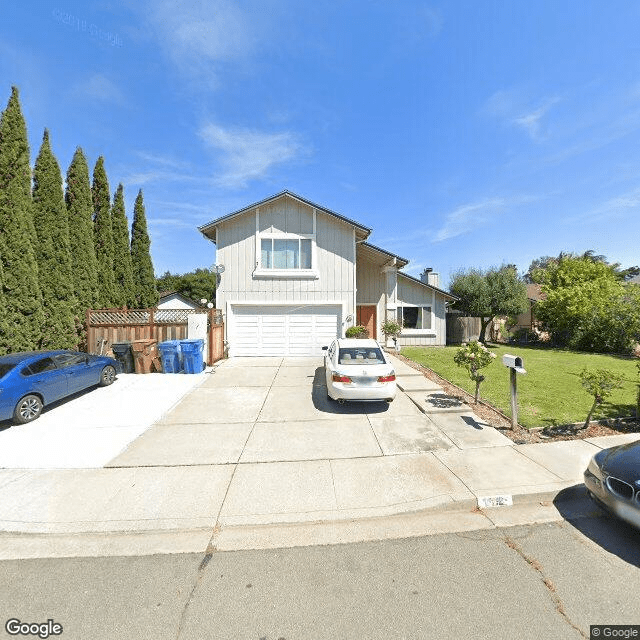
1992 Calaveras Drive, Bay Point, CA 94565
To contact a resident: (925) 325-0418
For more information about senior living options: (866) 208-4318
Overall Review of At Home Care & Companion Services
Pros
 The staff treats clients with kindness and attentiveness to any questions they have.
- They take care to hire the right caregiver for each client.
- The caregiver shares the client’s interests, helping her stay active and enjoy life.
- The client is able to engage in activities such as thrift-store shopping, antiquing, dining out, crafts, and cooking.
- This service avoids passive care and difficult nights, improving overall well-being.
- The care has brought renewed zest for life to the client, even at age 84.
Cons
 They previously had companies that did as little as possible, only put the TV on, and let her sleep, which made the nights difficult.
Review
This community is best suited for families seeking in-home, companion-focused support that keeps an elderly loved one active, engaged, and socially connected while remaining in familiar surroundings. The care approach shown in the reviews demonstrates a preference for personalized attention, meaningful daily activities, and caregiver compatibility, making it a strong fit for seniors who value zest for life and independence within a home setting in Bay Point, California.
For seniors who require around-the-clock skilled medical supervision, a highly structured facility environment, or specialized memory-care expertise, alternatives should be explored. Large assisted living communities with on-site nursing, dedicated memory-care wings, or agencies that emphasize clinical oversight may better meet those higher medical or cognitive-care needs. Budget constraints and a desire for more predictable, standardized routines are also legitimate factors that could point families toward other options.
The strongest positives center on genuine, attentive care and thoughtful caregiver matching. Families note that the agency takes care in selecting caregivers whose interests align with the client, enabling activities that the senior already enjoys. The result is not merely supervision but participation, thrifting, antiquing, shared meals, crafts, and cooking, so the elder remains actively involved rather than passive. This approach directly contributes to a happier mood, sustained engagement, and a sense that life remains purposeful at an advanced age.
These practical benefits offset common concerns tied to in-home care by emphasizing continuity of experience and meaningful interaction. When a caregiver genuinely shares or appreciates a client’s interests, the daily routine becomes collaborative and enjoyable rather than transactional. The evidence from the reviews suggests reduced evenings spent passively in front of the TV and fewer nights fraught with restlessness, as the presence of an engaged companion cultivates structure, companionship, and cognitive stimulation. In short, the key advantages, careful hiring, individualized matches, and vibrant daily activities, tend to offset the typical risk of impersonal, one-size-fits-all care in a home setting.
Nevertheless, the small number of reviews means a cautious practitioner should verify several practical details before committing. Confirm caregiver continuity and the agency’s plan for replacement if a regular caregiver is unavailable. Clarify scheduling options, backup coverage, and how shifts are managed during vacations or illnesses. Assess the scope of services beyond companionship and activities, is there assistance with daily living tasks, medication reminders, or brief nursing oversight if needed? Obtain a clear sense of costs, any ancillary fees, and how the plan scales as needs evolve. Request to meet prospective caregivers, review a typical day plan, and, if possible, arrange a short trial period to gauge fit.
In the end, this Bay Point offering appears well-suited for families prioritizing an active, in-home lifestyle with highly personalized caregiver matching and a strong emphasis on living well at home. For those whose loved one thrives on social engagement and meaningful, interest-based activities, the positives align with practical outcomes: better mood, more activity, and less passive caregiving. Families weighing alternatives should contrast this model against facilities with more medical support or structured environments, ensuring the chosen path delivers both the right level of care and the daily experiences that sustain your loved one’s independence and happiness.



 Compassionate Conversations: How to Comfort Someone Who Is Grieving
 Home Health Care Aides: Understanding Their Role and Supporting Your Family
 Urinary Tract Infections in Older Adults: Comprehensive Insights on Symptoms, Treatment, and Prevention