
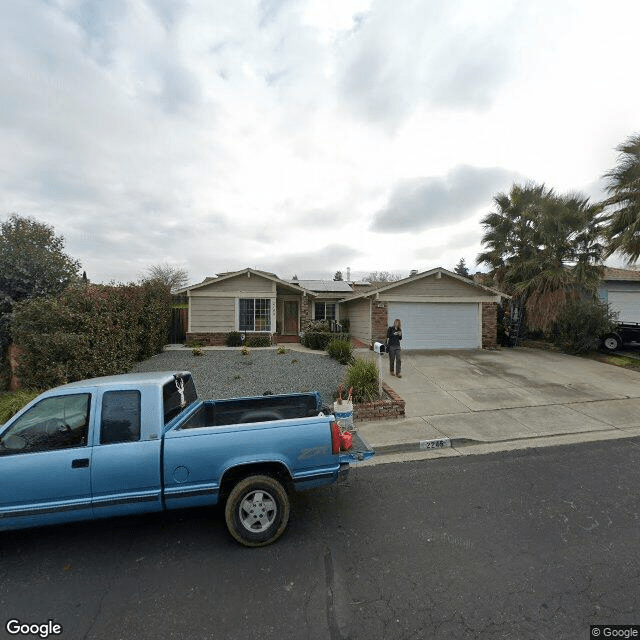
2245 Santa Maria Drive, Pittsburg, CA 94565
For more information about senior living options: (866) 208-4318
Amazing Home Care Costs & Pricing
Amazing Home Care offers competitively priced accommodations that stand out in both Contra Costa County and California as a whole. For instance, residents opting for a semi-private room will find costs at $2,200 per month, significantly lower than the county's average of $3,471 and the state's average of $3,333. Private room rates at Amazing Home Care are also appealing at $3,000, compared to $4,088 in Contra Costa County and $3,939 statewide. Additionally, the studio option is priced at $3,500 - still below the county's average of $4,358 and slightly above California's state average of $4,145. This positioning makes Amazing Home Care an attractive choice for individuals seeking quality care without straining their financial resources.
| Floor plans | Amazing Home Care | Contra Costa County | California |
|---|---|---|---|
| Semi-Private | $2,200 | $3,471 | $3,333 |
| Private | $3,000 | $4,088 | $3,939 |
| Studio | $3,500 | $4,358 | $4,145 |
Memory care communities with a similar price nearby
-
from -$425 / mo
El Cerrito Royale
$1,775 to $3,775 / month21.6 miles away -
from +$300 / mo
Village Golden Care Home
$2,500 to $3,800 / month17.1 miles away -
from -$300 / mo
Paramount House Senior Living
$1,900 to $4,695 / month22.4 miles away -
from +$400 / mo
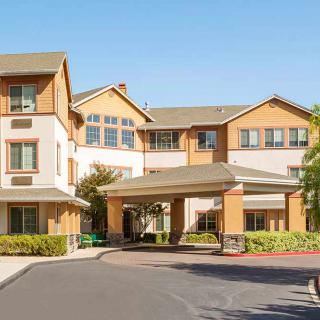
Atria Park Of Lafayette
$2,600 to $6,495 / month10.7 miles away -
from -$300 / mo
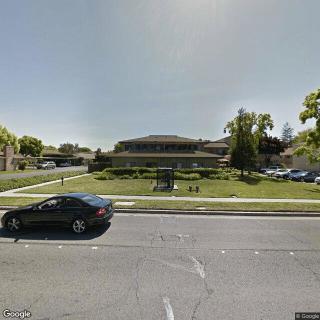
Concord Royale
$1,900 to $4,900 / month4.6 miles away
Overall Review of Amazing Home Care
Pros
 Amazing Home Care is described as a great place.
- The people are very nice and the caregivers are very professional.
- The staff is excellent.
- The food is well prepared, nutritious and fresh, and liked by residents.
- The rooms are very good, the home is clean and well kept, and the house seems in good order.
- The door attendant is knowledgeable and very good.
Cons
 There wasn’t much going on at all.
- There was basically just a dining room table.
- There wasn’t any interaction that could be seen going on with the patients.
- There was no one there and it was just really quiet.
- There was a shared room with someone else.
Review
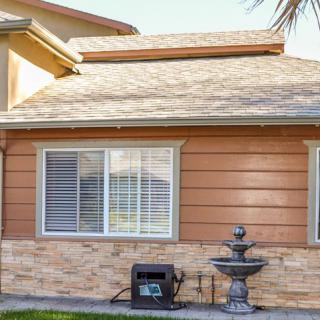
This community is best suited for seniors who want a true home-like setting with a small, intimate footprint. It works well for residents who value personal attention, a clean and calm environment, and solid, home-cooked meals. The small-housefeel, with a handful of residents and caregivers who know names and routines, creates a sense of security and predictability that suits someone who does not require a bustling, high-structure program. It’s especially appropriate for a resident who appreciates quiet time, straightforward care, and the comfort of staying in a familiar, residential setting rather than a large campus.
Families should consider alternatives if the priority is active social programming and a wide array of daily activities. The reviews repeatedly point to limited observable engagement beyond basic care, with activities described as minimal and superficial. For a resident who thrives on structured group events, day trips, or memory-care-specific programming, a larger assisted living community or a specialized facility may deliver the social and cognitive stimulation that this smaller home tends to lack. Likewise, if a preference exists for private accommodations or for settings with more consistent on-site medical oversight, a different option may be necessary.
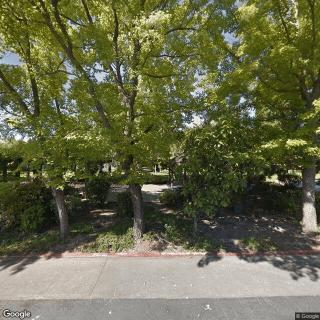
On the plus side, the pros align closely with the needs of residents who prize individualized attention. The home-style setting, cleanliness, and professional demeanor of caregivers are clear strengths, and staff are described as knowledgeable, friendly, and capable. Food quality is highlighted as a strong point, with meals appearing nutritious and well prepared. The quiet atmosphere and well-kept grounds contribute to a sense of safety and dignity, while physical accessibility, such as ramps, supports residents with mobility considerations. These factors collectively create a low-stress, comfortable daily rhythm that many families prioritize for continuity of care.
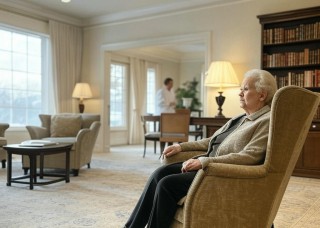
The most notable drawbacks center on activity programming and social interaction. Observations of sparse programming and limited resident engagement suggest that a resident who expects regular, varied daytime activities may feel under-stimulated. The dining and living spaces do not appear to foster frequent, spontaneous interaction, and some visits reveal a degree of emptiness during the day. Shared rooms are present, which may be fine for some but could be a constraint for those who prefer greater privacy or family involvement at all hours. For memory care or more complex care needs, the lack of targeted programming could be a critical gap.
The strength of the small, home-based model is that it enables exceptionally personalized care and rapid responsiveness. Staff visibility tends to be higher in a smaller setting, which can translate into faster attention to needs and a stronger sense of being known. Cleanliness and order, along with a home-cooked food experience, offset the quiet and limited activities for many residents who prize predictability over bustle. Accessibility features and a warm, family-run feel, hinted at by descriptions of the staff and hosts, further bolster trust and comfort. For a family weighing options, these positives often outweigh the downsides when the resident’s goal is stability, dignity, and a straightforward daily routine.
Takeaway guidance for families: schedule a visit with a focus on “how would this feel day-to-day?” Observe the activity schedule beyond the brochure, and ask to see a sample week. Inquire about private room options, if privacy matters, and probe staff-to-resident ratios to gauge potential for individual attention. Ask what daily programming looks like, and whether there are opportunities to customize activities to a resident’s interests. If a resident requires robust social engagement or more intensive medical oversight, be prepared to compare with larger campuses or memory-care environments. For those prioritizing a warm, quiet, home-like setting with attentive caregivers and solid meals, Amazing Home Care presents a compelling, practical choice.
 6 resident community capacity
 Studio apartments
 Assisted Living
 Board and Care Home
 Memory Care
 Respite Care
 Cable or satellite TV
 Dining room
 Fully furnished
 Garden
 Housekeeping services
 Move-in coordination
 Outdoor space
 Private
 Private bathrooms
 Telephone
 Wi-Fi/high-speed internet available
 24-hour supervision
 Activities of daily living assistance
 Assistance with bathing
 Assistance with dressing
 Assistance with transfers
 Diabetes diet
 High acuity care
 Meal preparation and service
 Medication management
 Special dietary restrictions
 Transportation arrangement (medical)
 Transportation to doctors appointments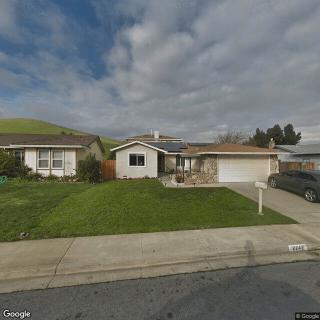


 Five Subtle Dementia Indicators to Observe: An In-Depth Guide to Understanding “Does My Mom Have Dementia?”
 Dementia, Paranoia, and Caregiver Guidance: Understanding the Connection
 Engaging Memory Care Activities That Enhance Quality of Life