
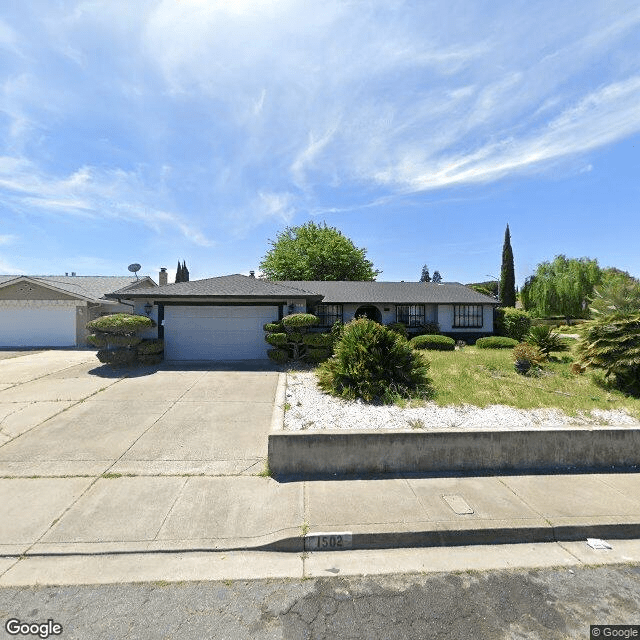
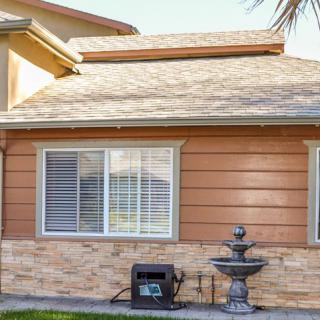
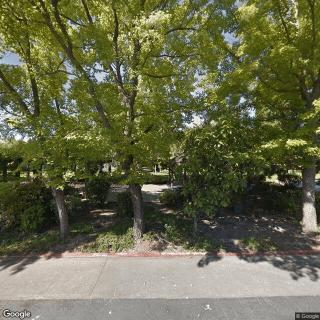
1502 Peppertree Pl, Pittsburg, CA 94565
To contact a resident: (925) 481-4397
For more information about senior living options: (866) 208-4318
Fam Care Homes, LLC Costs & Pricing
Fam Care Homes, LLC offers competitive pricing for its accommodations, with semi-private rooms available at $4,000 per month and private rooms priced at $4,550. In comparison to Contra Costa County, where semi-private rooms average around $3,471 and private options are approximately $4,088, Fam Care Homes provides a slightly higher price point. However, when viewed against the broader California market - where semi-private rooms typically cost $3,333 and private rooms are around $3,939 - Fam Care Homes' rates reflect a commitment to offering quality care and personalized services that may justify the additional expense for families seeking premium options in assisted living.
| Floor plans | Fam Care Homes, LLC | Contra Costa County | California |
|---|---|---|---|
| Semi-Private | $4,000 | $3,471 | $3,333 |
| Private | $4,550 | $4,088 | $3,939 |
Senior living communities with a similar price nearby
-
from +$500 / mo
Pleasanton Senior Care Villa
$4,500 / month24.3 miles away -
from -$600 / mo
An Oak Grove Manor
$3,400 to $3,800 / month8.5 miles away -
About the same

Interim Assisted Care of East Bay
$3,985 / month11.6 miles away -
from +$600 / mo
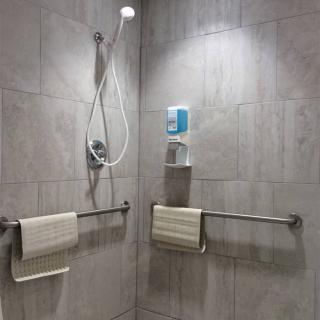
Milan Villa Senior Living
$4,600 to $9,200 / month24.8 miles away -
from -$500 / mo
East Bay Assisted Living
$3,500 to $5,000 / month23.2 miles away
Overall Review of Fam Care Homes, LLC
Pros
 The care home is the most amazing.
- The owner and the caregivers are extremely loving.
- The facility is exceptionally clean.
- The care provided is exceptional.
- Each resident has individualized care plans and meals.
- The owner is a nurse, leading to remarkable gains in residents’ health.
- The care home is very hospitable and caring for families.
Review
Fam Care Homes, LLC in Pittsburg, CA, is best suited for families seeking a small, intimately run residence where medical oversight remains central and daily life centers on individualized attention. This community fits seniors who require regular health monitoring, tailored care plans, and meals designed to accommodate personal preferences and medical needs. It is especially appealing to families who prioritize a homelike atmosphere, a strong sense of warmth from caregivers, and a setting where the owner is visibly involved in clinical care. In short, for residents who want hands-on nursing leadership paired with carefully personalized routines, this is a compelling option.
From the strongest testimony, the care home earns high marks for cleanliness and personal warmth. The owner is a nurse, which translates into a level of medical attentiveness not always found in very small facilities, and the caregiving team shows genuine devotion to each resident. The environment is described as exceptionally clean, with spaces that feel almost hospital-grade in their tidiness, and staff regularly craft individualized meals and care plans. Families report that residents make meaningful health gains under this model, suggesting the combination of medical oversight and tailored routines yields real progress rather than generic custodial care.
However, the community’s small footprint and family-run model invite a candid note of caution. With a limited staff pool, consistency can hinge on the day and the caregiver on duty, which means some residents may experience variability in oversight or responsiveness. The rating spread, one five-star narrative alongside a three-star and a one-star review, signals that experiences can diverge, particularly around activity offerings, pace, and communication. For seniors who crave a robust social calendar, extensive on-site amenities, or seamless 24/7 coverage, alternatives with larger teams and more structured programming can be a better match.
Yet the core advantages tend to offset these potential drawbacks. The nurse-led leadership curtails medication errors, enables rapid adjustment of care plans as health conditions shift, and fosters timely medical communication with families. A tight-knit staff dynamic and direct access to the owner means families stay closely involved without cumbersome bureaucracy. Cleanliness removes a major caregiver stressor, while individualized meals and schedules reduce confusion and support adherence to medical or dietary restrictions. When health improvements occur, they often reflect a deliberate, medically informed approach that suits residents who respond well to hands-on oversight in a home-like setting.
Those evaluating alternatives should zero in on three practical factors: the size of the community and the breadth of services; staffing stability; and transparency around costs and care planning. If the priority is a lively campus with extensive social programming, inpatient rehabilitation services, or memory-care specialization, a larger facility may serve better. If 24/7 licensed nursing availability and predictable shift coverage are non-negotiables, seek communities with formal staffing models and routine assurances. For families balancing budget against quality, insist on a clear fee structure and documentation of how care plans adapt over time. This home delivers strong value for medically oriented, intimate care, but it is not the universal fit for every senior.
Visit with a focused checklist: request to meet the owner and lead caregivers, review a sample care plan, and observe mealtime routines and room cleanliness. Confirm staffing ratios, emergency protocols, and how family updates are communicated. Ask for recent health outcomes and resident progress notes to gauge how effectively the team translates medical oversight into day-to-day improvements. If alignment is found on medical-driven, individualized care in a warm, clean setting, Fam Care Homes stands out as a practical, reliable choice. If not, the search should move toward a community with broader programming and scale.
 Board and Care Home
 Activities on-site
 Cable or satellite TV
 Devotional services on-site
 Outdoor common areas
 Private
 Wheelchair accessible showers
 Wi-Fi/high-speed internet available
 Ambulatory care
 Medication management
 Kosher
 Art classes
 Cooking classes
 Karaoke
 Live dance or theater performances
 Live musical performances
 Live well programs
 Trivia games
 Wii bowling

 Understanding Hospice Care at Home: Comprehensive Services, Key Benefits, and Eligibility
 Understanding the Full Cost of 24/7 In-Home Care: A Detailed Overview
 Exploring the World of Home Health Nurses: Qualifications, Roles, and Hiring Tips