
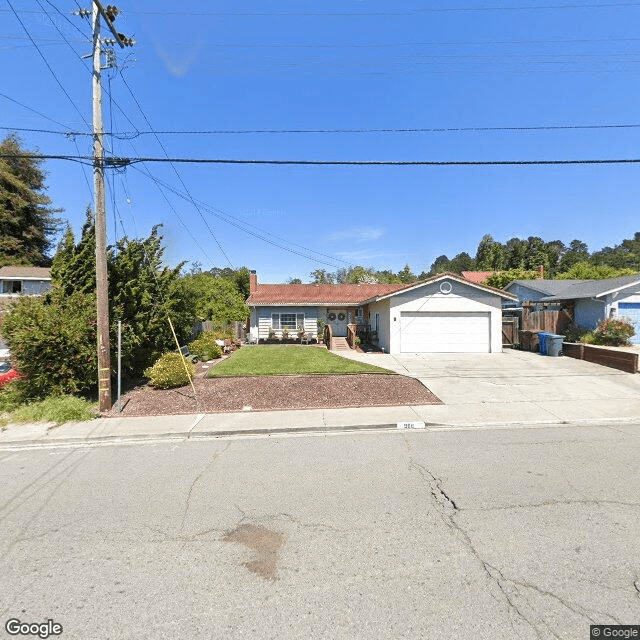
908 Tara Hills Drive, Pinole, CA 94564
For more information about senior living options: (866) 208-4318
Tara Hills Care Home Costs & Pricing
Tara Hills Care Home offers competitive pricing for its residents, particularly when compared to the broader markets of Contra Costa County and California as a whole. For a semi-private room, residents at Tara Hills can expect to pay $4,800 per month, which is notably higher than the county average of $3,471 and the state average of $3,333. Similarly, for private accommodations, Tara Hills' rate of $5,500 surpasses both the county's average of $4,088 and California's statewide average of $3,939. While these costs are above regional norms, they may reflect the quality of care and services provided at Tara Hills Care Home, positioning it as a premium option within the area.
| Floor plans | Tara Hills Care Home | Contra Costa County | California |
|---|---|---|---|
| Semi-Private | $4,800 | $3,471 | $3,333 |
| Private | $5,500 | $4,088 | $3,939 |
Assisted Living communities with a similar price nearby
-
from +$200 / mo
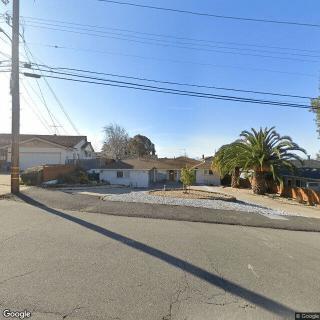
Blessing Home
$5,000 to $6,000 / month23.5 miles away -
from -$800 / mo
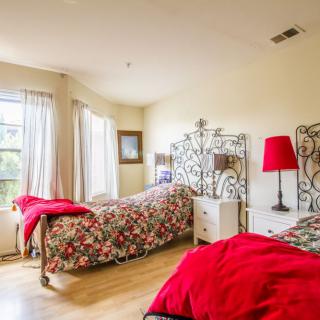
Golden Age Of Channing Way
$4,000 to $5,000 / month18.0 miles away -
from +$600 / mo
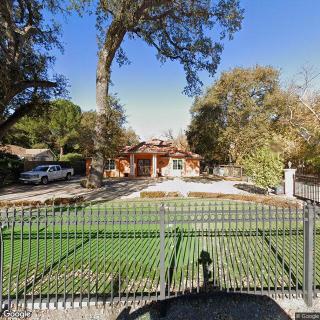
Bethel Care Home On Cottage
$5,400 / month14.9 miles away -
from +$700 / mo
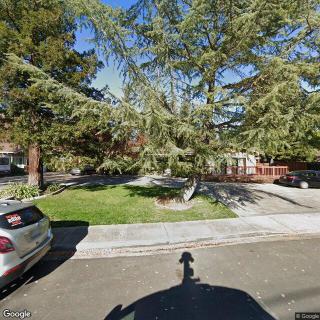
Carnelian III
$5,500 / month14.8 miles away -
from +$900 / mo
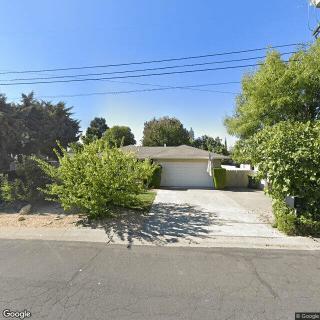
Agape Assisted Living
$5,700 / month16.5 miles away
Overall Review of Tara Hills Care Home
Pros
 The staff-to-resident ratio is very high, with staff available 24-7.
 - The staff are caring, knowledgeable, and genuinely interested in residents' welfare.
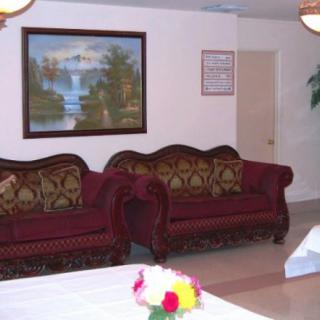
- The home is clean, spotless, well maintained, and has a warm, home-like atmosphere.
- The owner is warm, compassionate, and capable, and personally takes residents to medical appointments.
- Residents are treated like family with personalized, patient care.
- There is a beautiful garden and a deck for outdoor enjoyment.
- The location is convenient, being near pharmacies, grocery stores, and large medical facilities.
Cons
 The reviewer notes that there aren’t a lot of whistles and bells and not a lot of amenities.
- The reviewer states that their loved one does not like being in a care home.
Review
Best suited for families that want a warm, home-like setting with constant, capable oversight. Tara Hills Care Home in Pinole operates as a compact board-and-care residence, prioritizing daily care over flashy amenities. The home feels residential, with rooms arranged around a central living area, but the staffing stands out: a high staff-to-resident ratio and caregivers available around the clock. Families consistently note that the team is caring, patient, and genuinely focused on each resident’s welfare, delivering rapid help when needed and a level of attentiveness hard to match in larger settings. The practical upside is clear: predictable supervision, quick response, and a stable routine. Its location matters too, proximity to pharmacies, groceries, and major medical centers makes routine visits and coordination far easier for families and clinicians alike.
Those weighing Tara Hills against other options should consider alternatives if the priority is a broader amenities package or a more campus-like environment. The emphasis here is care over spectacle, so residents who crave abundant on-site activities, extensive fitness or social programming, or formal memory-care curricula may find the offerings lean. For some, the intimate, residential atmosphere can feel too quiet or small-scale, especially if a resident resists living in a care setting altogether. Families evaluating personalities and preferences should explore other communities that deliver a more expansive activity calendar or specialized dementia programming before making a choice.
Where the community excels are the people who run and staff the home. Caregivers are consistently described as warm, patient, and capable, with a visible commitment to dignity and safety. Ownership involvement is a recurring theme: the owner is known to step in for doctor’s visits or to facilitate care plans, ensuring smooth communication with external medical teams. The small size of the home enables familiar faces and eyes-on oversight throughout the day, translating into quick adjustments to routines and care needs. Cleanliness and upkeep are regularly highlighted, and the grounds offer quiet beauty, a garden, a deck for outdoor meals, and even a resident cat that contributes to a comfortable, homey mood. This combination creates a trustworthy, predictable care environment where relationships matter.
The day-to-day living experience reinforces a household atmosphere rather than a clinical facility. Residents tend to feel seen and respected, with a focus on autonomy within a supportive framework. Practical benefits show up in tangible ways: the owner’s willingness to accompany a resident to medical appointments when a family cannot, reliable adherence to daily routines, and consistent communication with families. The setting supports gentle engagement, outdoor time on a deck, quiet garden moments, and opportunities to participate in activities that feel inviting rather than obligatory. The presence of a pet and the possibility of optional, light social moments help sustain mood and a sense of belonging, which can be particularly meaningful for those navigating memory-care transitions.
Notable tradeoffs accompany Tara Hills’ strengths. The most visible con is the restrained amenities slate and a slower pace that may lack the bustle some families expect from a care setting. For residents who equate quality care with abundant on-site stimulation or a bustling activity calendar, alternatives may offer a better alignment. Yet this limitation is offset by exceptional staffing stability, continuous oversight, and a genuinely family-centered culture. The leadership’s hands-on approach and the ability to tailor care plans in collaboration with doctors provide a level of continuity that can reduce stress for families and prevent gaps in care. For those prioritizing safety, personalized attention, and a warm, familiar environment, Tara Hills presents a robust, low-frustration option that often delivers more comfort and consistency than larger facilities.
Bottom line: Tara Hills Care Home is a practical, proven choice for seniors who thrive in a home-like setting backed by around-the-clock staff and engaged leadership. It is well suited to residents who require steady supervision and dementia-conscious care while remaining connected to medical networks and everyday conveniences. If the priority leans toward a larger activity program, modern amenities, or formal memory-care protocols, it pays to compare additional options closely. For families ready to move forward, a thoughtful visit is essential, meet the caregiving team and the owner, tour the house inside and out, and ask pointed questions about daily routines, response times, and how care plans integrate with doctors. A candid on-site assessment will reveal whether Tara Hills aligns with the loved one’s temperament, health needs, and family logistics.
 6 resident community capacity
 Assisted Living
 Board and Care Home
 Cats allowed
 Dogs allowed
 Cable or satellite TV
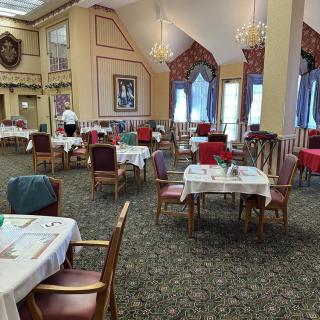
 Dining room
 Fully furnished
 Garden
 Housekeeping services
 Move-in coordination
 Outdoor space
 Private
 Respite or short term stays offered
 Telephone
 Wi-Fi/high-speed internet available
 Metropolitan Oakland International (20 miles away)
 24-hour supervision
 Activities of daily living assistance
 Assistance with bathing
 Assistance with dressing
 Assistance with transfers
 Diabetes diet
 High acuity care
 Incontinence care
 Meal preparation and service
 Medication management
 Special dietary restrictions
 Transportation arrangement (medical)
 Transportation to doctors appointments


 An Extensive Exploration of the VA Aid and Attendance Benefit
 Senior Transition Services: Understanding Their Role, Cost, and Importance
 Exploring the Path to Senior Living: A Comprehensive Look at Independent Living and Assisted Living