
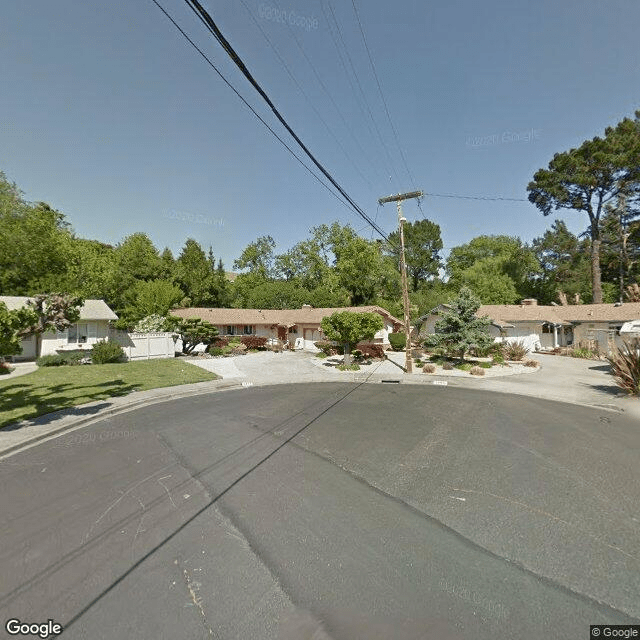
2359 Granada Court, Pinole, CA 94564
For more information about senior living options: (866) 208-4318
Granada Care Home No 1 Costs & Pricing
Granada Care Home No 1 offers competitive pricing for its residents, particularly when compared to the broader costs associated with Contra Costa County and the state of California. For a semi-private room, residents pay $2,200 per month, significantly lower than the county's average of $3,471 and the state average of $3,333. The pricing remains attractive for private rooms as well, with Granada Care Home charging $3,000 against county and state averages of $4,088 and $3,939 respectively. Studio accommodations are also reasonably priced at $3,500 compared to the county's $4,358 and the state's $4,145 average. Overall, Granada Care Home No 1 provides a cost-effective option for individuals seeking quality care in a comfortable environment while ensuring they remain within budgetary considerations relative to other available choices in the region.
| Floor plans | Granada Care Home No 1 | Contra Costa County | California |
|---|---|---|---|
| Semi-Private | $2,200 | $3,471 | $3,333 |
| Private | $3,000 | $4,088 | $3,939 |
| Studio | $3,500 | $4,358 | $4,145 |
Memory care communities with a similar price nearby
-
from -$425 / mo
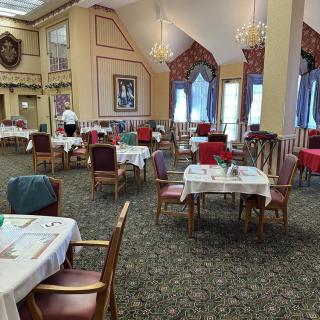
El Cerrito Royale
$1,775 to $3,775 / month5.1 miles away -
from +$300 / mo
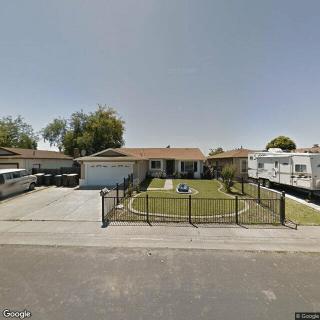
Village Golden Care Home
$2,500 to $3,800 / month22.7 miles away -
from +$395 / mo
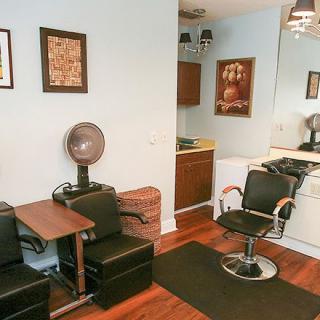
The Inn on Villa Lane
$2,595 to $6,195 / month23.1 miles away -
from +$400 / mo
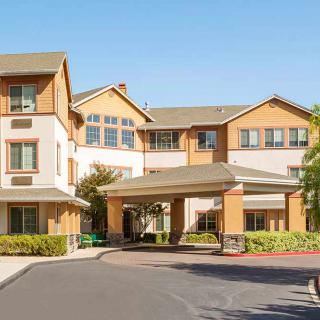
Atria Park Of Lafayette
$2,600 to $6,495 / month11.1 miles away -
from -$300 / mo
Concord Royale
$1,900 to $4,900 / month16.0 miles away
Overall Review of Granada Care Home No 1
Pros
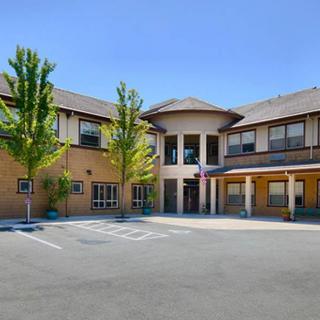
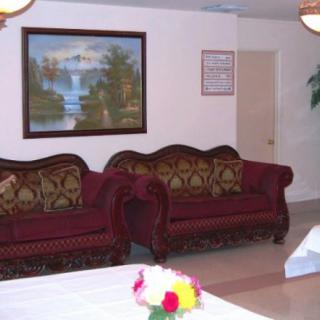
 The facility is clean and bright, with no stuffy nursing-home smell.
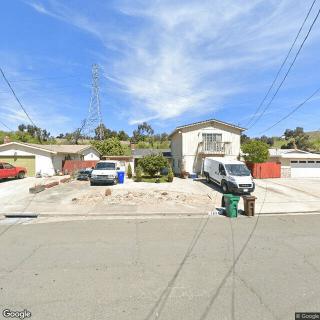
- It consists of multiple connected properties, offering a beautiful and spacious yard.
- The manager and service staff are friendly and caring toward residents.
- The other residents are nice.
- The relative has adjusted well and seems to like the environment.
Review
Granada Care Home No 1 in Pinole is best suited for seniors who want a warm, home-like assisted-living environment with attentive staff, where cleanliness and a welcoming atmosphere trump clinical vibes. It fits residents who do not require heavy medical interventions but appreciate daily life shaped by a bright, uncluttered setting and a sense of spaciousness. The facility’s layout, multiple connected properties with a generous yard, contributes to a feeling of openness and easy outdoor access that supports a calm, predictable routine. The tone in the care environment is consistently respectful, with administrators and caregivers who come across as genuinely invested in residents’ well-being, making daily life feel steady and reassuring for families.
Those weighing options should explicitly consider whether higher-acuity care, memory care, or rehabilitation services will ever be needed. For seniors requiring intensive medical oversight, complex wound care, or a highly structured clinical program, Granada Care Home No 1 may not be the right fit. In such cases, exploring alternatives with larger clinical teams, specialized dementia units, or more comprehensive therapy offerings could be essential. The positives here point to a serene, community-focused setting, but they do not indicate the presence of the kinds of medical supports that some residents and families may eventually require.
The key advantages, notably cleanliness and brightness, directly offset common concerns about care-home environments. The absence of the stuffy, institutional odor and the presence of well-lit, inviting interiors reduce worry about daily living quality and comfort. A spacious yard and the connected-property design broaden social and outdoor opportunities without demanding long internal commutes. Friendly managers and service staff who are described as caring contribute to a stable, dependable rhythm in everyday life, while a community of nice fellow residents supports social integration. Taken together, these strengths provide a solid foundation for dignified, low-stress aging in place.
From a practical standpoint, the physical setup supports comfort and safety. Clean, bright spaces promote well-being and ease of navigation for mobility-limited residents. The outdoor yard offers accessible time outside, which matters for mood, energy, and general health. The campus’s multiple linked buildings can foster informal social interactions and easier access to social moments or planned gatherings, even if those activities aren’t exhaustively detailed in the available impressions. For families, this translates into a reliable daily routine with predictable patterns, reducing the stress that often accompanies a transition into care.
Staff and community are the central pillars here. The manager and service team are described as friendly and caring, traits that translate into calm communication, coordinated care, and a respectful daily atmosphere. The presence of nice, welcoming neighbors further reinforces a low-conflict, socially supportive setting, which is crucial for sustained happiness and safety. The anecdote about a relative adjusting well and enjoying the environment is particularly telling: it signals a culture that fosters belonging and continuity, not just housing and meals. That combination, responsive staff, a pleasant milieu, and peer warmth, can make the difference between a transitional move and a confident, ongoing sense of home.
In advising families, Granada Care Home No 1 represents a solid option for those prioritizing warmth, cleanliness, and a true sense of community over high-intensity medical services. It suits seniors who value a calm, home-like setting where staff attentiveness translates into dependable daily life and social connection. Those needing explicit memory-care support, acute rehabilitation, or expansive, activity-rich programs should still explore alternatives. The strongest upside, the spotless, bright spaces, a generous, inviting campus, and a caring staff coupled with a friendly resident community, supports a dignified, comfortable living experience that often feels like a close-knit household rather than a clinical facility. A thorough visit, with questions about care levels, meal options, and social programming, will confirm alignment with individual needs and expectations.
 6 resident community capacity
 Assisted Living
 Board and Care Home
 Memory Care
 Respite Care
 Activities off-site
 Bath tubs
 Beautician on-site
 Cable or satellite TV
 Devotional services off-site
 Dining room
 Fully furnished
 Garden
 Housekeeping services
 Indoor common areas
 Move-in coordination
 Outdoor common areas
 Private
 Private bathrooms
 Swimming pool / hot tub
 Telephone
 Wheelchair accessible showers
 Wi-Fi/high-speed internet available
 Metropolitan Oakland International (19 miles away)
 24-hour supervision
 Assistance with bathing
 Assistance with dressing
 Assistance with transfers
 Diabetes diet
 High acuity care
 Incontinence care
 Meal preparation and service
 Medication management
 Special dietary restrictions
 Transportation arrangement (medical)
 Transportation to doctors appointments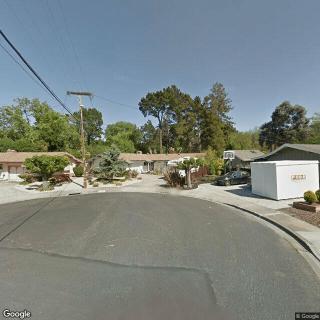


 Why Do Dementia Patients Sleep So Much? Understanding Oversleeping, Stages, and Care Approaches
 8 Key Indicators That Suggest It May Be Time to Transition from Assisted Living to Skilled Nursing Care
 Nourishing the Mind: Essential Dietary Approaches for Dementia