
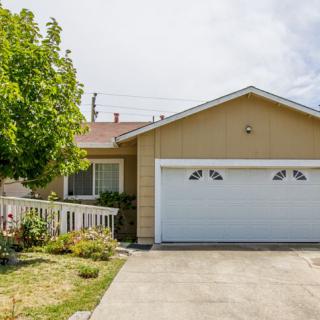
201 Tahola Ct., Petaluma, CA 94954
For more information about senior living options: (866) 208-4318
Overall Review of Our House
Pros
 He was moved to a caring, healthy facility.
- The reviewer was thankful that he was moved to a caring, healthy facility.
Cons
 The facility was terrible.
- The care provided was inadequate and neglectful.
- He was never moved out of bed except for showers twice a week, hindering therapy.
- In the five weeks there, he was fed so little that he lost 20 pounds.
- For $7,000 per month, he received no care.
- The reviewer regarded the place as miserable and lacking proper care.
Review
This community is best suited for families seeking a small, home-like living environment where seniors receive frequent, personal attention rather than formal, hospital-style care. Our House in Petaluma appeals to families who prioritize intimate, neighborly atmosphere and closer daily interactions with caregivers, hoping that a cramped, homestead feel translates into attentive oversight and social engagement. It is not pitched as a high-acuity or aggressively medical setting, and the price tag reflects a model built around comfort and routine rather than intensive medical therapy. When looked at through a practical lens, it serves as a reasonable choice for seniors who are relatively stable, enjoy a cozy, neighborhood vibe, and can thrive with steady day-to-day supervision rather than complex clinical needs.
Families considering alternatives should weigh the needs of loved ones with significant cognitive decline or advanced mobility challenges. For a loved one with Alzheimer's requiring consistent rehabilitation, aggressive activity schedules, or dependable daily care, larger, more established facilities with dedicated dementia programs and robust therapy services may deliver more predictable outcomes. The risk profile rises when daily care depends heavily on a few staff with limited coverage or when there is little evidence of ongoing, structured rehabilitation and nutrition monitoring. In such cases, a facility known for uptime in staffing, care planning, and measurable therapeutic interventions tends to be a safer fit.
The most salient con voiced by a reviewer centers on care quality: a five-week stay reportedly compromised by severe undercare. The resident was bedbound, with only minimal out-of-bed time for personal care, which blocked therapy sessions and led to weight loss, 20 pounds, in a short period. Meals were described as insufficient, and the overall level of attention did not meet needs for someone with advanced dementia and significant functional decline. The cost, cited at around $7,000 per month, contrasts sharply with the level of care described, creating a clear mismatch between expenditure and outcomes in that account. This single, detailed account raises red flags about staffing reliability, care responsiveness, and the adequacy of medical and therapeutic supports.
That negative narrative sits against the backdrop of two glowing five-star reviews, which suggests there may be pleasant experiences in the community for some residents. However, without consistent detail, those high marks cannot be relied upon to offset the concerns raised in the critical report. The tension between an intimate setting and a documented lapse in care highlights a core risk: small facilities can deliver warmth and familiarity, but they can also struggle with the scale needed to sustain continuous, high-quality care for frail elders. In practical terms, the presence of praise from some residents does not erase the need to verify staffing patterns, care planning, and day-to-day supervision before committing.
For families evaluating this option, the practical takeaway is clear. Probe staffing levels and shift coverage, request a current, written care plan that covers nutrition, weight monitoring, mobility, and cognitive support, and demand specifics on how therapy, such as physical, occupational, or speech therapy, will be scheduled and continued with changing conditions. Ask for recent inspection results, the resident-to-staff ratio on each shift, and a concrete example of a daily routine that demonstrates active engagement and timely assistance. If pursuing Our House, insist on a trial period with clear milestones for reassessment, a transparent menu and meal monitoring plan, and a guaranteed pathway to escalation if care metrics are not met.
In the end, the decision hinges on whether the intimate, homey environment can translate into reliable, comprehensive care for a loved one with evolving needs. Given the reported care gap in one account, serious caution is warranted. This facility can be a good fit for stable seniors who thrive with close personal attention and a gentle pace, but for families facing Alzheimer’s progression, significant mobility limitations, or nutrition concerns, more robust, higher-capacity options may provide greater assurance. A deliberate, in-person evaluation, prioritizing staffing consistency, concrete care plans, and a measurable commitment to therapy and nutrition, is essential before making a final choice.
 11 resident community capacity
 Assisted Living
 Board and Care Home
 Respite Care
 Cable or satellite TV
 Dining room
 Fully furnished
 Garden
 Housekeeping services
 Move-in coordination
 Outdoor space
 Telephone
 Wi-Fi/high-speed internet available
 24-hour supervision
 Activities of daily living assistance
 Assistance with bathing
 Assistance with dressing
 Assistance with transfers
 Diabetes diet
 Meal preparation and service
 Medication management
 Special dietary restrictions
 Transportation arrangement (medical)
 Transportation to doctors appointments






 Social Security Benefits and Assisted Living: Navigating Options Across the U.S.
 An Extensive Exploration of the VA Aid and Attendance Benefit
 Senior Transition Services: Understanding Their Role, Cost, and Importance