
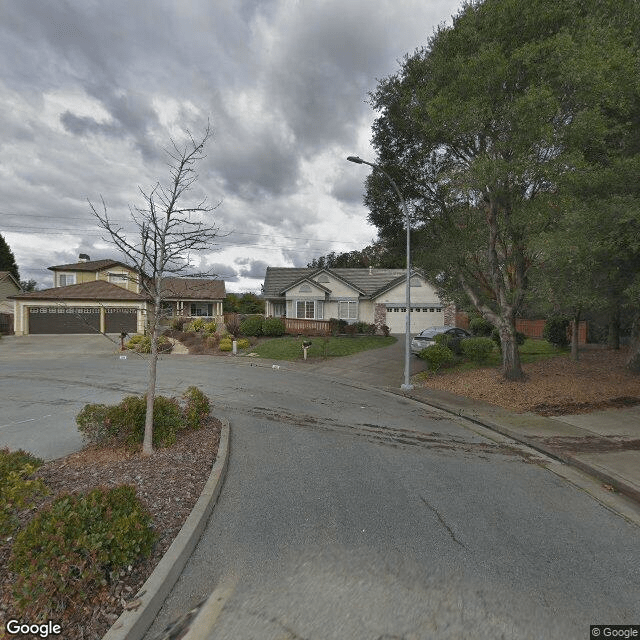
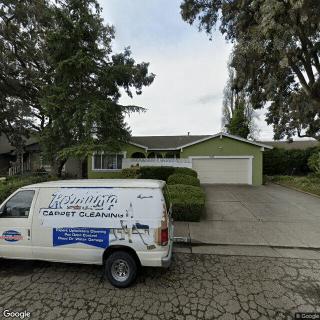
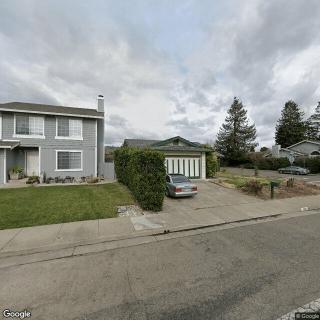
313 Sheila Court, Petaluma, CA 94954
For more information about senior living options: (866) 208-4318
White Rose Manor Costs & Pricing
White Rose Manor offers competitive pricing for its private rooms at $4,000 per month. This rate is slightly below the average cost of private rooms in Sonoma County, which stands at approximately $4,225, but it is somewhat higher than the state-wide average of $3,939. By positioning itself within this range, White Rose Manor provides residents with a desirable balance of affordability and quality care in a region where costs can vary significantly. The investment in living at White Rose Manor reflects not only the monthly fee but also the commitment to delivering a supportive and enriching environment for its residents.
| Floor plans | White Rose Manor | Sonoma County | California |
|---|---|---|---|
| Private | $4,000 | $4,225 | $3,939 |
Assisted Living communities with a similar price nearby
-
from +$500 / mo
Anson Place Residential Care Home
$4,500 / month14.7 miles away -
from -$400 / mo
Victoria's Place
$3,600 / month13.8 miles away -
About the same

The Watermark at Napa Valley
$3,995 to $6,795 / month17.3 miles away -
from +$295 / mo

Cogir of Sonoma
$4,295 to $5,495 / month8.5 miles away -
from -$300 / mo
Silva Board And Care
$3,700 to $5,367 / month14.4 miles away
Overall Review of White Rose Manor
Pros
 The staff are amazing.
- They take care of him and spend time with him throughout the day.
- They wake him up, help him get clean and shaven, and ensure he eats well.
- He enjoys meals and brief time outdoors.
- His memory seems to be returning and he is in much better health than before.
- He hasn’t fallen since arriving.
Cons
 It is expensive.
Review
White Rose Manor in Petaluma is best suited for families seeking hands-on, around-the-clock attentiveness for a loved one who needs consistent daily support, gentle companionship, and reliable routines. The setting works especially well when the resident benefits from steady waking assistance, grooming, meals, and continuous presence. The standout strength is staff who invest significant time with the resident, sitting with him through the day, monitoring comfort, and ensuring basic needs are met with dependable, dignified care. For a senior with memory challenges or frailty, where the priority is reliable caregiving and predictable days, this community delivers an engagement level that often translates into noticeable improvements in mood and functioning.
Cost becomes the decisive divider for many families. The single, positive review notes that the care is expensive, and in today’s market that price can determine whether the value aligns with expectations. Those on tight budgets should actively explore alternatives that offer a more affordable monthly commitment or a different care model for memory support. Additionally, families seeking a richer slate of structured cognitive activities, broader social programming, or a more varied daily schedule may prefer communities with a more robust activity calendar or specialized memory-care programs, where programming keeps pace with caregiving quality.
Among the clear positives, the daily engagement stands out. Staff do more than supervise; they actively participate, getting the resident up for the day, assisting with grooming, and ensuring meals happen with dignity. Outdoor time is part of the routine, though described as short, and that small outdoor window still contributes to mood, appetite, and a sense of normalcy. Crucially, the resident reportedly shows better health and memory compared to the previous setting, and there has been no fall since arrival. These outcomes, consistent contact, personal attention, and reduced risk, are tangible proof that intense daily involvement can stabilize a frail or memory-impaired loved one.
Still, the model has natural limits. The financial burden is a primary concern for long-term planning, and affordability will determine whether this care is sustainable over years. The description of only brief outdoor time hints at a potential gap in recreational opportunities or in programming designed to broaden social engagement beyond routine caregiving tasks. For families seeking a more immersive day with scheduled cognitive therapies, extensive group activities, or frequent out-of-facility excursions, this community may feel more utilitarian than expansive.
The strengths can offset the cons when viewed through the lens of safety and steady improvement. High-touch caregiving reduces the likelihood of crises and hospital visits, offering peace of mind for families and a predictable routine for residents who crave consistency. A stable memory trajectory and daily improvements translate into tangible quality-of-life gains, which can justify the premium for households prioritizing safety, continuity, and a caregiver who treats the resident with sustained respect and attention. In situations where a loved one thrives on routine and personal interaction, these benefits become compelling when matched with the willingness to absorb higher costs.
Bottom line: White Rose Manor is a compelling choice for families navigating memory- or frailty-focused care where continuous, compassionate presence matters more than breadth of programming or price predictability. It is particularly advantageous for those who prioritize safety, predictable days, and observable daily gains in well-being. But for budget-conscious families or those who insist on a more expansive cognitive-therapy ecosystem and richer social calendar, alternatives deserve serious consideration. With clear tradeoffs, this community stands as a strong option when the objective is steady hands, a calm day, and a resident who feels seen, valued, and carefully cared for.
 6 resident community capacity
 Assisted Living
 Board and Care Home
 Activities off-site
 Cable or satellite TV
 Dining room
 Fully furnished
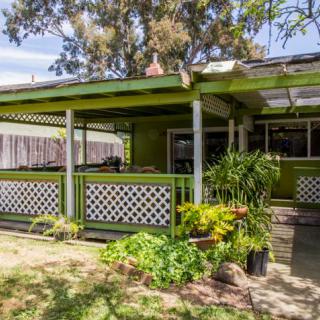
 Garden
 Housekeeping services
 Indoor common areas
 Move-in coordination
 Outdoor common areas
 Private
 Telephone
 Wi-Fi/high-speed internet available
 24-hour supervision
 Ambulatory care
 Assistance with bathing
 Assistance with dressing
 Assistance with transfers
 Diabetes diet
 Diabetic care
 High acuity care
 Incontinence care
 Meal preparation and service
 Medication management
 Special dietary restrictions
 Transportation arrangement (medical)
 Transportation to doctors appointments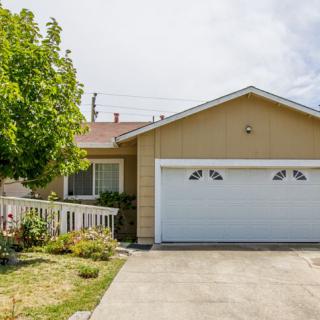


 Comprehensive Insights into Activities of Daily Living (ADLs) and Their Assessment
 Medicare Coverage for Assisted Living: An In-Depth Exploration
 Choosing the Right Senior Care: A Detailed Exploration of Assisted Living and Nursing Homes