
425 North Sierra Madre Boulevard, Pasadena, CA 91107
For more information about senior living options: (866) 208-4318
Overall Review of Grant Serenity Homes Of Sierra Madre
Pros
 The facilities are lovely and the staff are nice.
Cons
 They claim staff are not trained to handle behaviors of able-bodied seniors with advanced Alzheimer's.
- They say their father entered Grant Serenity of Verdugo (Burbank) and died a little over seven weeks later after being transferred to Grant Serenity of Pasadena.
- They allege the death was due to inappropriately prescribed medications from St. Vincent Hospice, which was recommended to them by Grant Serenity.
- They assert Grant Serenity's approach to challenging behaviors is to medicate until bedridden, or unconscious, and then dead.
Review
Grant Serenity Homes Of Sierra Madre in Pasadena is best suited for seniors who are relatively stable in their cognitive and behavioral needs and who prize a polished, welcoming environment with attentive staff for routine support. The facility delivers a pleasant setting and a agreeable demeanor from caregivers that can support daily living tasks, socialization, and general supervision for residents who don’t present with advanced dementia or frequent outbursts. For families with loved ones who require memory-specific care, or for those dealing with challenging agitation or behavior linked to Alzheimer’s, this community is not the right fit. The absence of dedicated dementia care training becomes a decisive limitation when memory issues are a central concern.
Those considering alternatives should take a hard line toward memory care requirements. Residents with advanced Alzheimer’s or significant behavioral challenges need facilities with explicit dementia programs, staff trained in behavior management, and a culture that prioritizes non-pharmacologic interventions first. The experience described here underscores the risk of relying on prescribed medications to manage behaviors rather than investing in specialized care plans. Additionally, the involvement of hospice services that the facility’s staff promotes should be scrutinized, with a preference for independent consensus and oversight rather than unilateral medical direction.
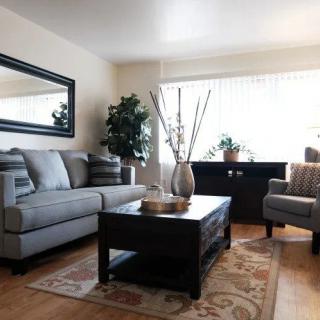
The main positives, the clean, well-kept facilities and the friendly, approachable staff, offer real daily comfort. For seniors who can function with minimal memory-related disruption and who do not pose safety risks requiring intensive behavioral support, these elements can translate into stable routines, predictable caregiving, and a dignified living environment. Yet those advantages pale beside the core concern: the program’s apparent lack of readiness to handle advanced dementia. In such cases, the ability to preserve independence, dignity, and safety hinges on skilled, specialized care, not on aesthetics or courtesy, and those factors are where this community falls short.
A central red flag is the reported approach to challenging behaviors, which appears to lean toward medication as a primary tool. When a facility’s philosophy seems to settle for sedating or inducing a bedridden state rather than deploying comprehensive behavioral strategies, the risk to residents escalates dramatically. The troubling account of inappropriately prescribed medications leading to rapid decline, and death after transfer to a different campus, cannot be dismissed as a minor flaw. It signals systemic gaps in clinical judgment, care coordination, and accountability that families should not overlook when evaluating whether a loved one can be safely managed here.
Practically, families evaluating Grant Serenity should demand a clear, dementia-focused care framework before any decision. Seek confirmation of a memory care designation, exact staffing ratios on dementia units, ongoing staff training in non-pharmacologic behavioral strategies, and a formal policy that requires psychiatry or geriatrics input before initiating any sedative regimen. Request an independent medication review process, daily monitoring for adverse effects, and a written escalation protocol if behaviors intensify. It is essential to inspect how transitions are handled, who authorizes changes in medications, and how families are engaged in every decision that affects comfort and safety.
In the end, this community should be approached with caution for anyone facing memory impairment or behavioral challenges. The positives may offer a pleasant daily environment, but they do not compensate for the absence of robust memory-care capabilities and careful, clinically guided medication management. If memory care is likely or already present, a facility with dedicated dementia programs, staff trained to manage complex behaviors, and stringent oversight will serve best. For families prioritizing safety, clarity, and genuine resident-centered care, alternatives with proven dementia specialization are the prudent choice, even if they come with a different aesthetic or larger footprint.
 6 resident community capacity
 Assisted Living
 Cable or satellite TV
 Dining room
 Fully furnished
 Garden
 Housekeeping services
 Move-in coordination
 Outdoor space
 Telephone
 Wi-Fi/high-speed internet available
 Burbank-Glendale-Pasadena (15 miles away)
 24-hour supervision
 Activities of daily living assistance
 Assistance with bathing
 Assistance with dressing
 Assistance with transfers
 Diabetes diet
 Meal preparation and service
 Medication management
 Special dietary restrictions
 Transportation arrangement (medical)
 Transportation to doctors appointments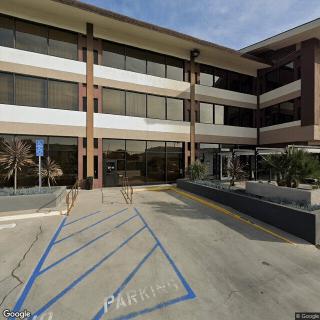



 Comprehensive Supportive Living Arrangements for Adults with Disabilities
 Funding and Affording Assisted Living: A Thorough Overview
 Assisted Living Expenses and Long-Term Care Insurance: A Comprehensive Exploration