
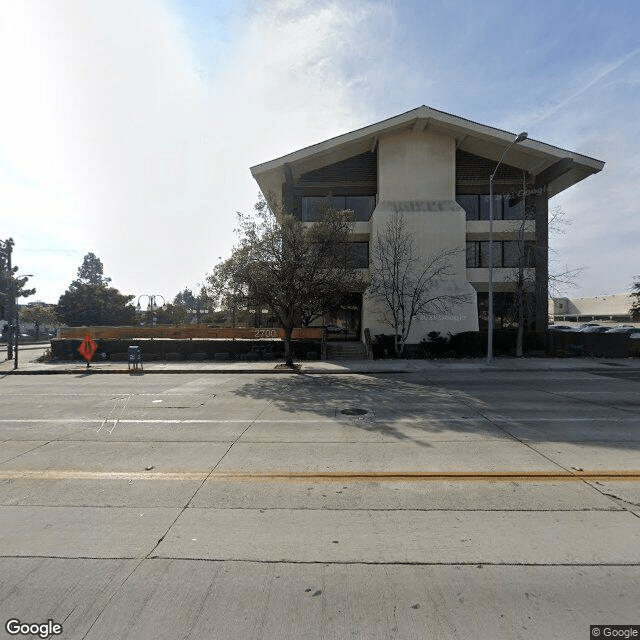
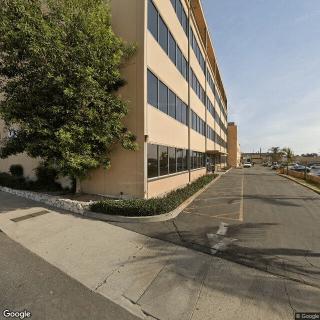
2700 East Foothill Boulevard Suite 208, Pasadena, CA 91107
To contact a resident: (626) 656-7693
For more information about senior living options: (866) 208-4318
Overall Review of 24 Hour Home Care - Pasadena
Pros
 The home care service provides great service.
- The respite care service has been a lifesaver for families.
- The caregivers are kind, attentive, and genuinely care about her well-being.
- The caregiver assigned was skilled and engaged the loved one in meaningful activities.
- The focus on holistic well-being stands out, including companionship and wellness.
- They specialize in personalized care plans, including memory care for dementia and Alzheimer's.
- They are reliable, professional, and dedicated to quality care.
- The Pasadena office is spotless and welcoming, with friendly staff.
- They provide 24-hour care and attentive service.
- Allen and his team are accommodating.
- They preserve the aunt's independence and sense of control.
- They are highly recommended.
Cons
 The mom complained that the caregivers didn't do anything but text, and she wouldn't let them do much.
- A written care plan and checklist were missing, so they had to create their own records for services and BP.
- It’s hard to find a service full of individuals who actually care about the patients.
Review
This Pasadena service is best suited for families seeking reliable, round-the-clock in-home support for an aging loved one who wants to stay in familiar surroundings yet needs steady professional oversight. The reviews consistently highlight personalized care plans, memory-care capability, and a holistic approach that blends practical support with companionship. It works particularly well for seniors managing chronic illnesses or early-stage dementia, where routine, engagement, and a home environment translate into real peace of mind for families. Those who prize independence paired with dependable professional help will find this model especially compelling; it is less appropriate for households requiring a traditional facility setting or more intensive medical supervision around the clock.
Alternatives deserve consideration when the goal is a more formal facility experience or a very structured daily routine. If the elder or family needs fixed schedules, explicit written care plans, and guaranteed in-person medical oversight within a facility, a traditional assisted living or nursing home might be a better fit. One reviewer called out the absence of a formal written plan and checklists, suggesting that some households will want more explicit documentation and accountability. For budget-sensitive cases or where constant, hospital-grade medical supervision is non-negotiable, exploring other agencies with different care models or hospital-affiliated home health services could be prudent. In sum, this option shines where flexibility and home autonomy matter most, but it isn’t the universal answer for every medical, supervision, or financial scenario.
Pros are anchored in a strong care framework. The standout asset is the emphasis on personalized care plans and genuine caregiving, with memory care for dementia and Alzheimer’s repeatedly praised. Caregivers are described as kind, attentive, and capable of elevating daily life through meaningful engagement rather than mere task completion. The respite care option is a practical lifeline for families, allowing caregivers to recharge with confidence that a capable team is maintaining the senior’s well-being. Transparency features, such as camera access for family oversight, and visits from nurses and physical therapists contribute to a credible, multifaceted support system. The Pasadena office’s cleanliness and welcoming ambiance further reinforce a sense of reliability and professionalism.
A few drawbacks merit attention. The most tangible friction arises when the elder resists assistance, leading to feedback that caregivers may appear to be texting rather than actively helping. While not the fault of caregivers, this signals the crucial need for a formalized care plan and a clear task checklist to ensure accountability and consistency. Some families may experience gaps in documentation or routine reporting if plans are informal, which can undermine confidence during transitions or caregiver shifts. Turnover or variability in caregiver assignments can also introduce inconsistency, even when the overall quality remains high. These concerns are manageable with upfront expectations and concrete documentation.
On balance, the strengths significantly offset the weaknesses. The combination of memory-care expertise, daily engagement, and a genuinely compassionate staff delivers more than basic at-home assistance; it preserves independence while offering practical safety nets. The respite option directly reduces family burnout, and access to medically oriented professionals, nurses and therapists, delivers credible oversight without converting home care into a hospital-level arrangement. The emphasis on maintaining the senior’s autonomy in a familiar household, supported by proactive staff, provides tangible value that families often cannot replicate with do-it-yourself home care alone. The visible professionalism of the Pasadena operation reinforces confidence that this is a stable, client-centered choice.
Bottom line: this service is a strong fit for families prioritizing high-touch, home-based care with demonstrable memory- and chronic-illness management strengths, delivered by compassionate, reliable caregivers and flexible support like respite care. It suits seniors who want to stay in their own home while receiving professional help and families who can articulate clear expectations and desire formal plans to guide care. Those seeking a highly structured daily schedule, guaranteed 24/7 medical supervision, or a traditional facility environment may want to evaluate other arrangements. Begin with a formal care assessment, request a written care plan and concrete checklists, confirm caregiver rotation and access to professional input, and then determine whether Pasadena’s 24 Hour Caregivers aligns with long-term safety, independence, and peace of mind for the loved one.
 Burbank-Glendale-Pasadena (16 miles away)


 Comprehensive Guide to Blood Pressure Charts for Older Adults: Understanding Normal and High Readings by Age
 Financing Long-Term Nursing Home Care Through Social Security: A Thorough Exploration
 Essential Knowledge on Pneumonia in Older Adults