
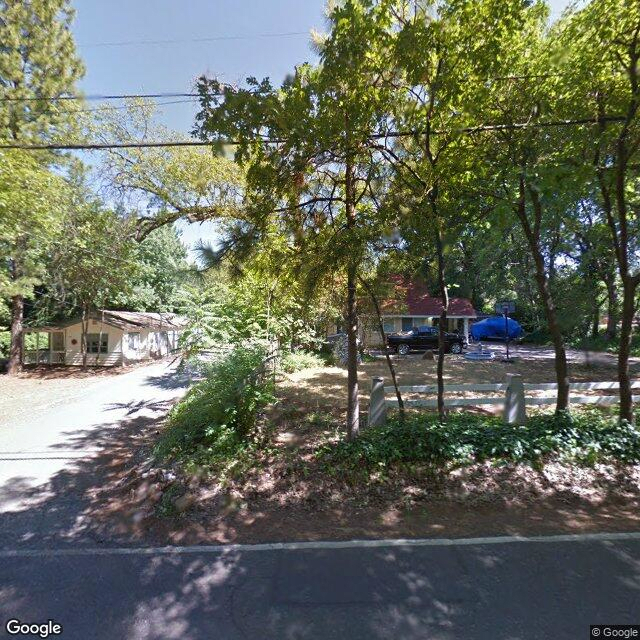
585 Bille Road, Paradise, CA 95969
For more information about senior living options: (866) 208-4318
Mountain Meadow Lodge Costs & Pricing
Mountain Meadow Lodge offers a competitive monthly cost for its private rooms at $1,900, which stands in stark contrast to the higher expenses found in both Butte County and the wider California market. In comparison, Butte County's average monthly rate reaches approximately $3,585, while statewide costs escalate further to about $3,939. This significant difference underscores Mountain Meadow Lodge's commitment to providing quality accommodations at an accessible price point, positioning it as an attractive option for those seeking affordable living without compromising on care or comfort.
| Floor plans | Mountain Meadow Lodge | Butte County | California |
|---|---|---|---|
| Private | $1,900 | $3,585 | $3,939 |
Overall Review of Mountain Meadow Lodge
Pros
 The staff were responsive to Mom’s needs.
- They went above and beyond to make her feel comfortable and valued.
- Trey and the team consistently helped residents look and feel their best.
- The staff welcomed drop-ins, reflecting a high level of trust in themselves and the facility.
- They fixed issues promptly and welcomed constructive feedback with enthusiasm.
- They devised creative, personalized solutions to support Mom, such as a printed weekly menu.
- Moving in was quick and easy for the family.
- Community Care Options praised the new owner's reputation.
Cons
 There were several negative reports from state inspectors, as well as serious concerns from the Northern California gerontology community.
- The family was skeptical about Mountain Meadows for caring for their mother with late-stage lung cancer.
- The reviewers concluded the community was too small for their needs and did not stay long.
Review
Mountain Meadow Lodge in Paradise, CA is best suited for families seeking intimate, highly responsive care for an elder with complex needs, particularly when late-stage illness or hospice-involved scenarios are in play. The community shines for those who value hands-on attention, a strong caregiver relationship, and a facility that is willing to go the extra mile to tailor daily routines, such as meals, activities, and mobility support, to an individual’s needs. It works especially well for families comfortable with a small, 15-resident environment where staff can know residents personally, respond quickly to concerns, and coordinate closely with hospice, chaplains, and visiting family members. For families seeking a bustling, large-scale campus with a full calendar of programmed events, this lodge may feel too quiet or small, and that discrepancy is a real reason to consider alternatives.
That said, certain realities merit deliberate comparison. Families looking for expansive amenities, broad social programming, or extensive on-site medical infrastructure may want to consider larger assisted-living communities or dedicated medical-focused facilities. Similarly, those who require rock-solid, long-standing inspector-track records without ongoing transition questions should scrutinize current operations more closely. The small size, ongoing improvements, and a recent ownership change can create growing pains that are unacceptable for some. If a resident’s needs depend on highly standardized routines or on a strictly predictable, large-community environment, alternatives with steadier capacity and scale may be preferable.
The strongest positives in Mountain Meadow Lodge are the genuine, hands-on responses from leadership and front-line staff, and the way care teams translate that commitment into daily practices. In the weeks and months after a transition in ownership, the team demonstrated a willingness to engage constructively with family feedback, respond to problems swiftly, and keep lines of communication open via text and phone. The most meaningful care frequently came in personalized touches: a resident menu created to address memory or appetite concerns, flexible help with mobility tasks that hospice might have discouraged but proved valuable to comfort and dignity, and staff members who consistently went the extra mile to ensure a resident looked and felt their best. The story of staff members like Trey, who helped residents dress “in their Sundays” and elevate ordinary days into moments of pride, illustrates a level of dedication that can transform a tough situation into a manageable, humane experience.
These strengths offset several meaningful drawbacks. The care model prioritizes relationship-building and adaptive problem-solving over rigid systems, which means results are highly individualized and often immediately impactful. The same approach that allowsfor creative meal planning and personal outings with family also means care plans can evolve quickly as needs shift, a clear advantage when dealing with cognitive changes or end-of-life transitions. The small, intimate setting is a natural counterbalance to any sense of being lost in a crowd, delivering consistent staff availability and a warmth that fosters trust with residents and families alike. While renovation activity and the new ownership may introduce some disruption, the transparency about improvements and the openness to feedback provide reassurance that the positives are not temporary.
The trade-offs are not incidental; they define the experience. A 15-resident community can feel too intimate for families seeking a broader social network, diverse programming, or steady, around-the-clock medical oversight. For residents with high-acuity medical needs requiring a robust on-site clinical presence, this lodge may rely more on coordinated outside support and standard hospice processes rather than expansive in-house capabilities. Yet the care philosophy, emphasizing humanity, quick problem resolution, and staff who genuinely “give a shit” about a resident’s well-being, often proves more decisive than size. The willingness to accommodate family-driven excursions, to fix issues promptly, and to honor a resident’s preferences in mobility or dining underscores a practical strength not always present in larger facilities.
For families evaluating Mountain Meadow Lodge, the decision hinges on fit, not feature lists. If the goal is a highly personalized, compassionate atmosphere where staff-initiated care plans can adapt to the resident’s changing needs, and where the care team is willing to partner with hospice, family, and clinicians, this lodge stands out in a meaningful way. If, instead, the priority is scale, unlimited social programming, or a pristine, pre-transition history with no notable past concerns, alternatives may be more appropriate. Prospective residents should arrange a candid tour with the management team, meet frontline caregivers such as the staff who coordinate meals and mobility support, and request current examples of how menus and routines have been customized for residents with cognitive or appetite challenges.
In the end, Mountain Meadow Lodge represents a compelling option for families seeking intimate, attentive, and flexible care that treats dignity and relationship as core services. It rewards those who value direct access to care staff, transparent communication, and a collaborative approach to end-of-life or palliative needs. Its small size is both its strength and its limitation, delivering warmth, consistency, and personal attention, while steering families toward alternatives if breadth of programming or scale is non-negotiable. A deliberate tour, a conversation about current occupancy and staff ratios, and a clear read on how ongoing renovations will integrate with daily life will illuminate whether this lodge is the right home, or whether the search should broaden to communities where size and routine align more closely with specific expectations.
 17 resident community capacity
 Assisted Living
 Board and Care Home
 Cable or satellite TV
 Dining room
 Fully furnished
 Garden
 Housekeeping services
 Move-in coordination
 Outdoor space
 Private
 Telephone
 Wi-Fi/high-speed internet available
 Chico Municipal (12 miles away)
 24-hour supervision
 Activities of daily living assistance
 Assistance with bathing
 Assistance with dressing
 Assistance with transfers
 Diabetes diet
 Diabetic care
 Meal preparation and service
 Medication management
 Special dietary restrictions
 Transportation arrangement (medical)
 Transportation to doctors appointments




 A Detailed Exploration of Assisted Living Medicaid Waivers Across the United States
 Comprehensive Residential Support and Assisted Living Solutions for Individuals with Disabilities
 Comprehensive Supportive Living Arrangements for Adults with Disabilities