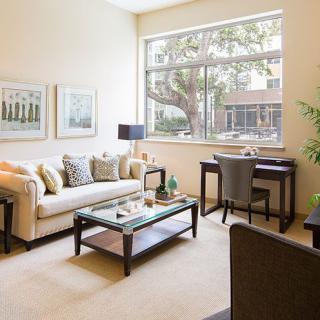
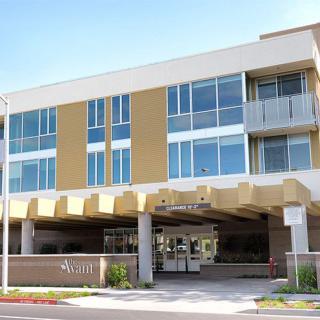
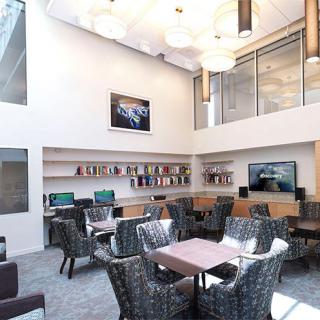
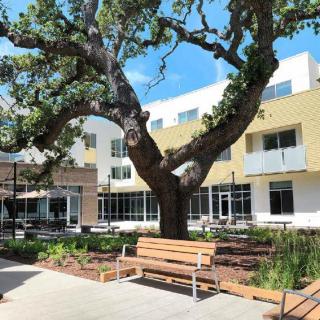
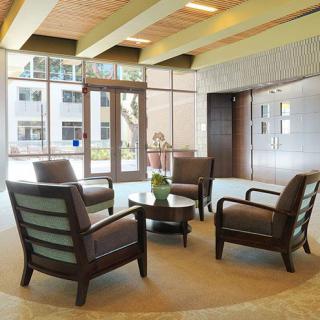
4041 El Camino Way, Palo Alto, CA 94306
For more information about senior living options: (866) 208-4318
The Avant At Palo Alto Commons Costs & Pricing
At The Avant At Palo Alto Commons, the monthly costs for living accommodations vary significantly based on room type when compared to broader averages in Santa Clara County and California. For a two-bedroom unit, residents can expect a monthly fee of $1,120, which stands in stark contrast to the county average of $7,339 and the statewide average of $5,270. However, for studio and one-bedroom apartments, the pricing shifts dramatically; studios are priced at $8,500 - well above both county and state averages of $5,155 and $4,145 respectively. Similarly, one-bedroom units at The Avant cost $9,350 per month compared to the local average of $5,861 and the state average of $4,340. This pricing structure highlights The Avant's positioning as a premium option within Palo Alto's competitive housing market.
| Floor plans | The Avant At Palo Alto Commons | Santa Clara County | California |
|---|---|---|---|
| 2 Bedrooms | $1,120 | $7,339 | $5,270 |
| Studio | $8,500 | $5,155 | $4,145 |
| 1 Bedroom | $9,350 | $5,861 | $4,340 |
Memory care communities with a similar price nearby
-
About the same
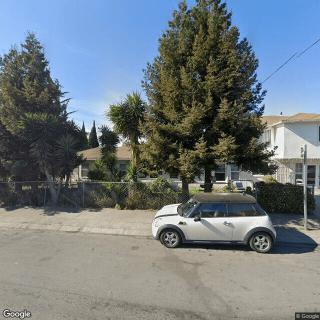
Christopher's Care Home I
$1,100 to $3,500 / month22.6 miles away
Overall Review of The Avant At Palo Alto Commons
Pros
 They have a strong dementia program.
- The dementia program is a standout feature.
- The reviewers appreciated the dementia program.
Cons
 The Sunrise property wasn't as nice as others.
Review
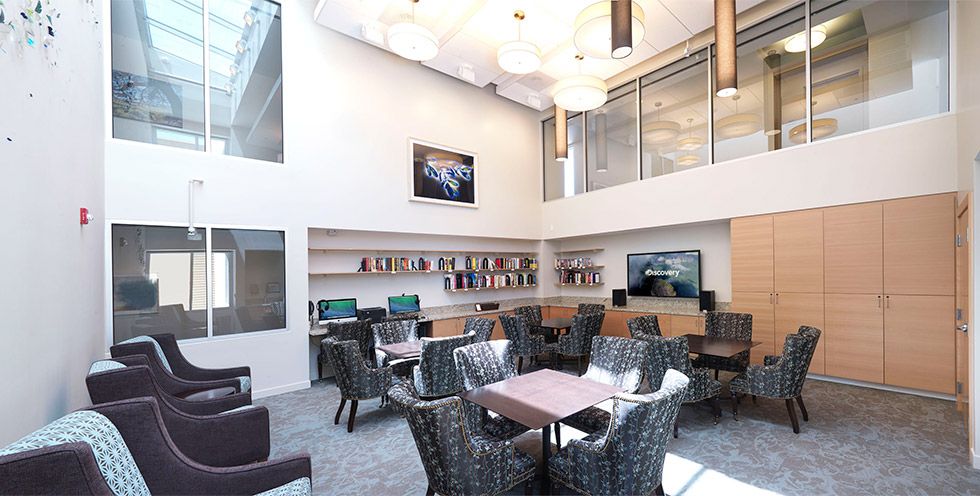
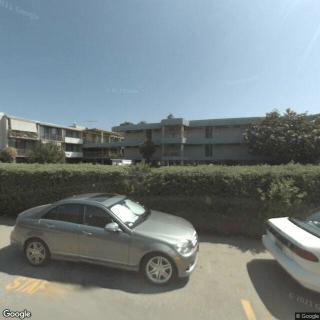
The Avant At Palo Alto Commons is best suited for families that place memory-care capability near the top of the decision criteria and are comfortable prioritizing care quality over every-last-luxe finish. In this market, the decisive factor is not simply what the campus looks like but how well dementia care is organized, staffed, and integrated into daily routines. The single public feedback available centers attention on care structure more than opulence, suggesting that prospective residents should enter with a clear checklist for memory-support services, staffing stability, and activity programming. If dementia care is your must-have, this community deserves a serious yes-or-no focus on those elements before any impression of interiors or amenities.
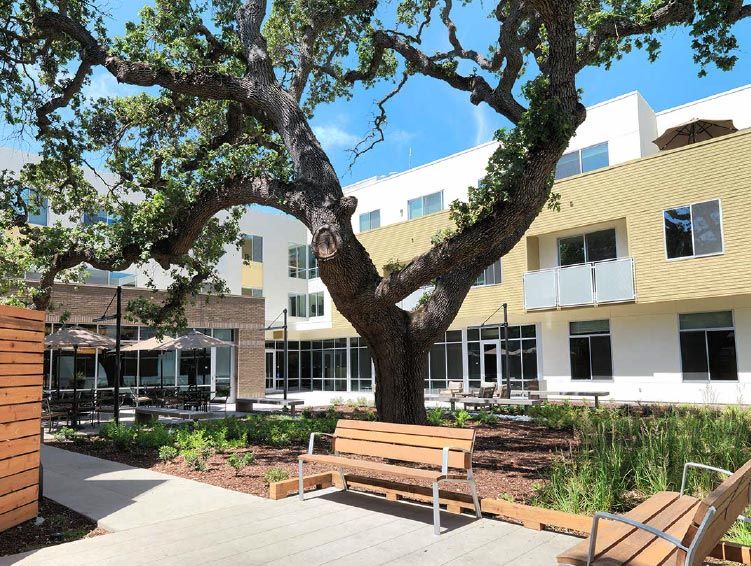
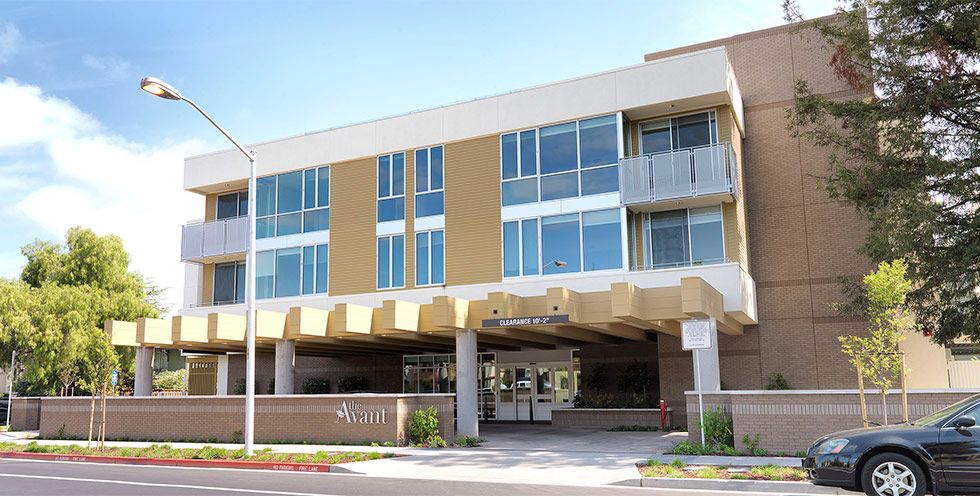
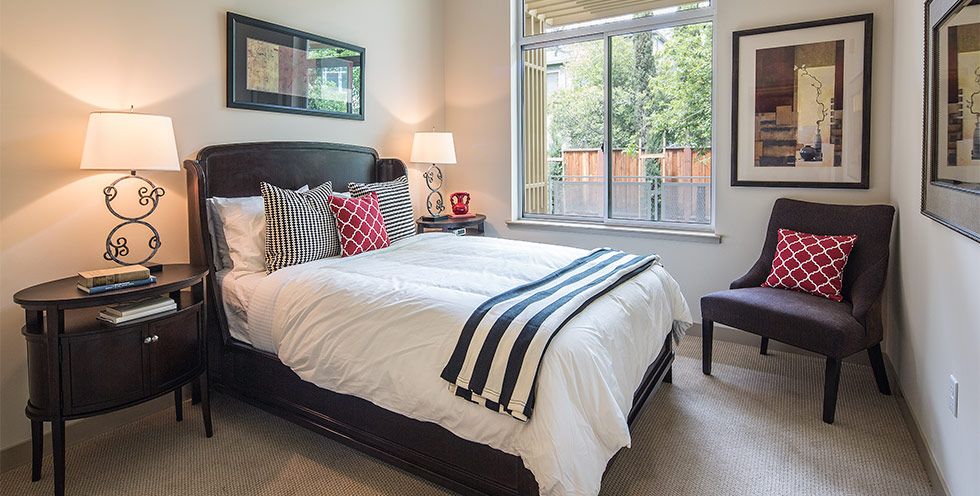
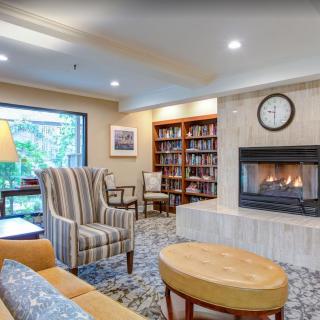
Those who should consider alternatives are families for whom aesthetics, modern finishes, and a high-end ambiance carry equal or greater weight than care programs. The observed feedback notes the property “wasn’t as nice as others,” signaling that competing communities may offer brighter common areas, updated décor, and more expansive common-space experiences. For households that want a turnkey, picture-perfect environment as a first impression, or that rely on a slightly more polished social atmosphere to encourage engagement, it is prudent to compare several nearby options. In short, if looks and surface appeal matter as much as care, alternatives should be on the short list.
The primary positive lever to lean on is the memory-care orientation itself. Even when a community’s aesthetics lag, a well-structured dementia program, complete with trained staff, meaningful daily activities, and clear safety protocols, can materially improve the resident experience. Families evaluating The Avant should verify the scope of dementia services, including staff-to-resident ratios on each shift, training standards, care plans, and how activities are tailored to cognitive stages. If The Avant demonstrates robust, consistent memory-care delivery, that programmatic strength can compensate for less-polished finishes and create a reliable, reassuring daily rhythm for residents.
Conversely, the main drawback highlighted by the available input is the relative lack of aesthetic polish and the “not as nice as others” impression. For some families, this translates into concerns about environment, ambience, and the perceived value of monthly costs tied to a Palo Alto address. When a community’s exterior presentation and communal spaces don’t measure up to expectations, it can influence mood, motivation to participate, and overall satisfaction, even if care is sound. In this calculus, the decision hinges on whether the care framework can compensate for the sensory and social cues that matter to residents and family members during visits.
The offsetting dynamics come down to priorities: a strong dementia program can anchor a truly supportive living experience, while a less impressive interior feel can be offset by predictable routines, consistent staffing, and transparent care planning. The Avant’s payoff sits with families willing to trade some interior polish for reliable memory-support infrastructure, provided the care team proves stable, attentive, and well-coordinated with families and clinicians. Location remains a practical advantage, Palo Alto affords proximity to medical resources and regional specialists, yet that value only lands if the daily care lives up to expectations. The combination of memory-care reliability and strategic location can still create a compelling overall package.
Practical next steps sharpen the decision. Prospective residents should request a detailed dementia-care outline: current staffing ratios by shift, caregiver qualifications, and turnover rates; a sample care plan that shows how cognitive changes are monitored and adjusted; and a calendar of memory-focused activities with resident engagement metrics. Schedule in-depth tours specifically of any memory-care wing or unit, and speak with direct caregivers and supervisors about day-to-day routines, safety checks, and how sudden changes are handled. Compare price structures and what’s included (meals, transportation, personal care, and any add-ons) against nearby alternatives that offer stronger finishes. In short, the Avant should be measured by memory-care depth first, aesthetics second, with a grounded eye toward value and ongoing caregiver support.
 52 resident community capacity
 1-bedroom apartments
 Assisted Living
 Independent Living
 Memory Care
 Air-conditioning
 Beauty salon
 Cable or satellite TV
 Computer center
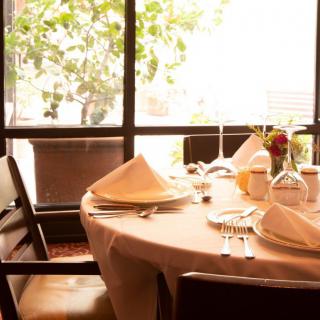
 Dining room
 Fitness room
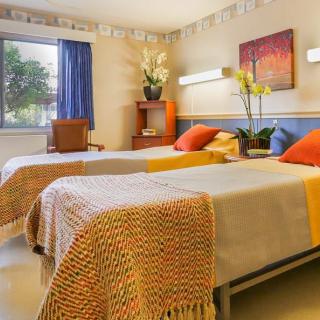
 Fully furnished
 Gaming room
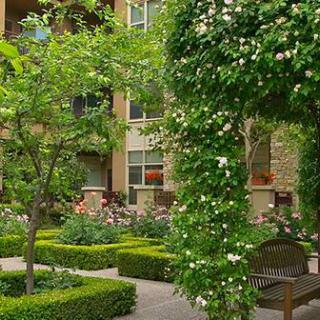
 Garden
 Housekeeping services
 Kitchenette
 Move-in coordination
 Outdoor space
 Private bathrooms
 Restaurant-style dining
 Small library
 Telephone
 Wellness center
 Wi-Fi/high-speed internet available
 San Jose International (11 miles away)
 Community operated transportation
 12-16 hour nursing
 24-hour call system
 Activities of daily living assistance
 Assistance with bathing
 Assistance with dressing
 Assistance with transfers
 Diabetes diet
 Medication management
 Mental wellness program
 Special dietary restrictions
 Concierge services
 Planned day trips
 An In-Depth Look at Reminiscence Therapy in Dementia Care
 Dementia-Related Hallucinations: Causes, Experiences, and Practical Approaches
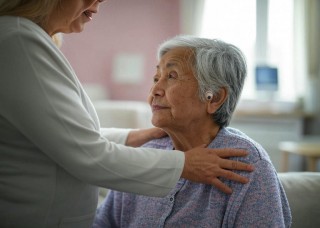 Illuminating Insights About Alzheimer's Disease: Ten Crucial Realities