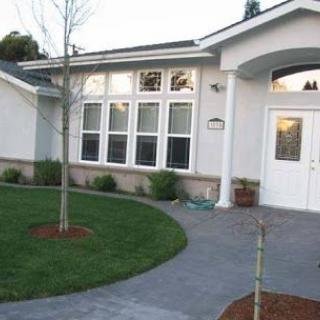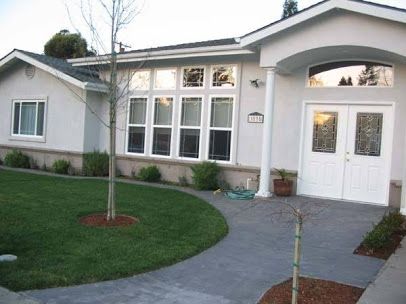
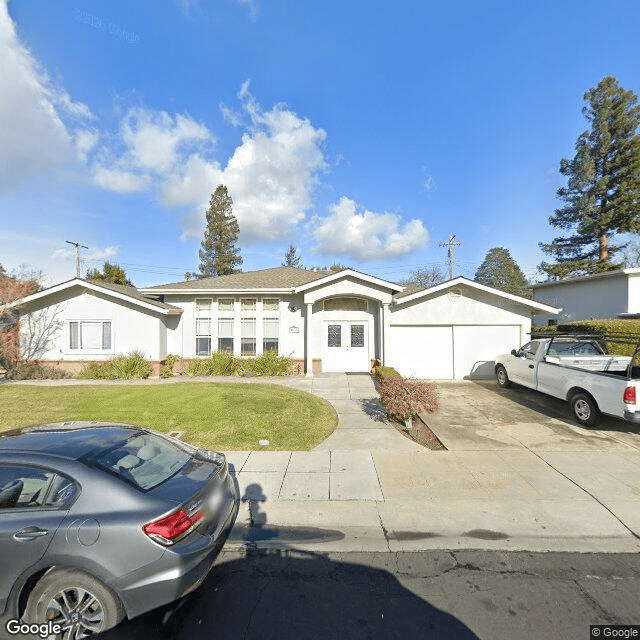
3835 Mumford Place, Palo Alto, CA 94306
For more information about senior living options: (866) 208-4318
Sweet Little Home Costs & Pricing
Sweet Little Home offers competitive pricing for its private rooms, ranging from $2,800 to $2,970 per month. In comparison, the average costs in Santa Clara County are significantly higher at $4,096, while the broader California average stands at $3,939. This positions Sweet Little Home as a more affordable option for individuals seeking quality care without compromising on comfort. Residents can enjoy the benefits of a nurturing environment and personalized attention at a price point that is considerably lower than both county and state averages, making it an attractive choice for families exploring residential care options.
| Floor plans | Sweet Little Home | Santa Clara County | California |
|---|---|---|---|
| Private | $2,800 to $2,970 | $4,096 | $3,939 |
Memory care communities with a similar price nearby
-
from +$395 / mo
Harbor Bay Assisted Living
$3,195 to $5,000 / month24.0 miles away -
from -$300 / mo
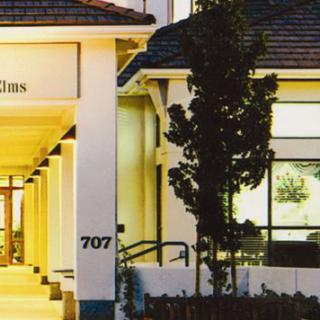
San Carlos Elms
$2,500 to $5,880 / month10.1 miles away -
from -$300 / mo
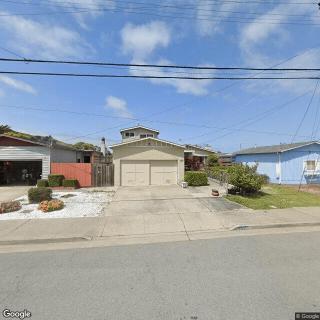
Oceanside Board and Care II
$2,500 to $3,000 / month24.7 miles away -
from +$359 / mo
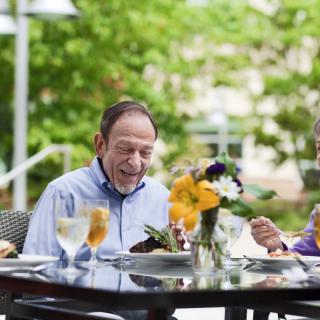
Moldaw Family Residences a CCRC
$3,159 to $4,381 / month0.8 miles away -
from -$300 / mo
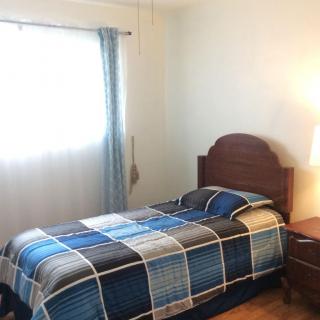
Isherwood Care III
$2,500 to $3,500 / month12.5 miles away
Overall Review of Sweet Little Home
Pros
 They took the father in with 3 days' notice and provided loving, attentive care for his final month.
- The staff, including Yelka and her daughters, treat families like their own.
- The facility offers a loving and positive atmosphere for residents with dementia and lymphoma.
- They care for all patients equally and with evident love and dedication.
- The owners and team bring knowledge, compassion, and the highest level of care to residents and their families.
- The care team is very attentive, kind, and demonstrates integrity in elderly care.
- Pricing is fair and the service is simply the best.
Review
Sweet Little Home in Palo Alto is best suited for families seeking a small, home-like skilled nursing option that delivers intensely personalized, compassionate care. The facility earns its praise in the realm of warmth, with staff and leadership that operate as an extension of family, most notably under owner leadership by Yelka and her daughters. The reviews repeatedly emphasize a loving, positive atmosphere where dementia and end-of-life needs are treated with patience and respect, and where crises are met with steadiness. The ability to accept a new resident on short notice, three days, demonstrates practical flexibility that matters when timing is critical. For families facing difficult transitions, this environment can transform anxiety into quiet confidence as care begins immediately.
Those who should consider alternatives are families seeking large-scale medical infrastructure, a formal memory-care unit with specialized design, or a setting with broader on-site specialty coverage and a wider array of therapeutic services. The reviews celebrate personal attention and a hands-on, family-like ethos, which can feel lacking in larger campuses. If the priority is intensive 24/7 physician oversight, a complex care regime requiring frequent hospital-style monitoring, or robust, on-site rehab programs, the best fit may lie elsewhere. Similarly, budget-conscious families or those who want extensively scheduled activities and resources across a big campus may find more to compare in larger facilities with a longer track record of scale.
Where Sweet Little Home truly shines is in the core caregiving strengths that most families ring as non-negotiables. Owners and staff are described as deeply knowledgeable, compassionate, and committed to dignity, traits that translate into attentive daily care, consistent routines, and a sense of security in difficult moments. The care examples span dementia and serious illness, including palliative and end-of-life support, delivered in a way that feels both respectful and relational. Pricing is cited as fair, suggesting families do not accrete surprise costs in exchange for this level of warmth. In a landscape where impersonal care can be the default, these fortes offset the potential trade-offs of smaller capacity and less formal medical scaffolding. The main trade-offs are the lean scale and lighter on-site medical infrastructure, which may not suit residents needing extensive on-site specialty care.
One rating is notably lower, which signals that no setting is flawless, yet the available commentary provides little detail on what did not work for that reviewer. The absence of concrete drawbacks in the bulk of the feedback means prospective residents should probe during tours about what might feel restrictive: a smaller staff-to-resident ratio at night, fewer on-site medical specialists, or limits on long-term memory-care configurations. Such inquiries help determine whether the day-to-day experience aligns with a resident’s specific needs. The lean, intimate model can be a strength or a constraint depending on the episodic demands of care.
To judge fit, families should demand clarity on staffing, schedules, and escalation pathways. Ask about how dementia symptoms are managed, how behavioral challenges are de-escalated, and who coordinates with external physicians. Inquire into the daily rhythm, activity programming, family communication cadence, and how family input shapes care plans. Confirm what is included in the base rate and what constitutes add-ons, meals, transportation, physical therapy, and social programming. Finally, tour the facility to observe interactions, hygiene, safety protocols, and whether residents appear engaged and respected in their routines.
When warmth, dedicated staff, and a family-centric culture are the top priorities, Sweet Little Home offers a compelling, well-regarded option in Palo Alto. It stands out for rapid admission, compassionate care, and a consistent, human-focused approach that many families value above all else. If the expectation is broad-scale medical architecture, highly specialized memory-care design, or expansive on-site therapy suites, alternatives should be actively compared. For most families balancing dignity with practicality, this community represents a strong, thoughtful choice, provided the care plan aligns with the resident’s medical needs and the family’s expectations for ongoing involvement.
 6 resident community capacity
 Assisted Living
 Board and Care Home
 Memory Care
 Cable or satellite TV
 Dining room
 Fully furnished
 Garden
 Housekeeping services
 Move-in coordination
 Outdoor space
 Private
 Telephone
 Wi-Fi/high-speed internet available
 San Jose International (11 miles away)
 24-hour supervision
 Activities of daily living assistance
 Assistance with bathing
 Assistance with dressing
 Assistance with transfers
 Diabetes diet
 Hospice waiver
 Meal preparation and service
 Medication management
 Mental wellness program
 Special dietary restrictions
 Transportation arrangement (medical)
 Transportation to doctors appointments


 Illuminating Insights About Alzheimer's Disease: Ten Crucial Realities
 A Thorough Discussion of Medications Potentially Linked to Dementia Risk
 Why Do Dementia Patients Sleep So Much? Understanding Oversleeping, Stages, and Care Approaches