
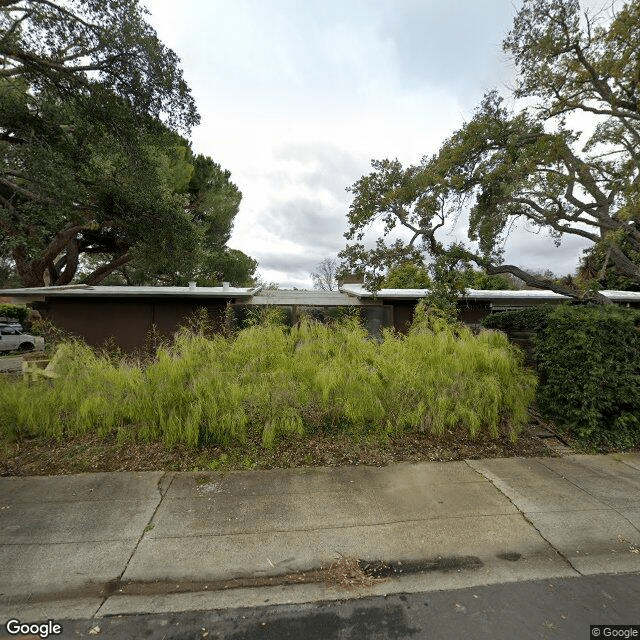
3452 Cork Oak Way, Palo Alto, CA 94303
To contact a resident: (650) 858-1093
For more information about senior living options: (866) 208-4318
Shady Oak Place Costs & Pricing
Shady Oak Place offers a private room at a competitive monthly rate of $4,500, which is slightly higher than the average for Santa Clara County at $4,096 and significantly above the state average of $3,939. This pricing reflects the premium services and amenities that Shady Oak Place provides, catering to residents seeking a supportive and enriching environment. While it may be above some benchmarks within the county and state, prospective residents can expect quality care and an elevated living experience that justifies this investment in their well-being.
| Floor plans | Shady Oak Place | Santa Clara County | California |
|---|---|---|---|
| Private | $4,500 | $4,096 | $3,939 |
Senior living communities with a similar price nearby
-
from +$500 / mo
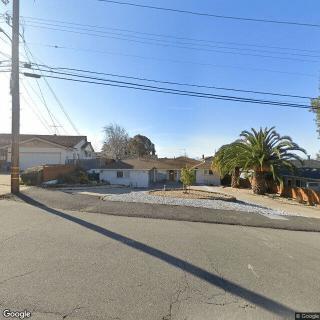
Blessing Home
$5,000 to $6,000 / month20.2 miles away -
from -$500 / mo
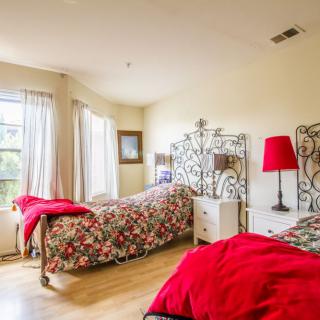
Golden Age Of Channing Way
$4,000 to $5,000 / month23.0 miles away -
About the same
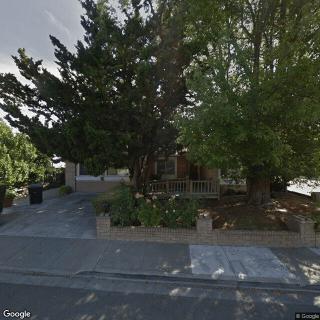
Pleasanton Senior Care Villa
$4,500 / month20.3 miles away -
from -$500 / mo
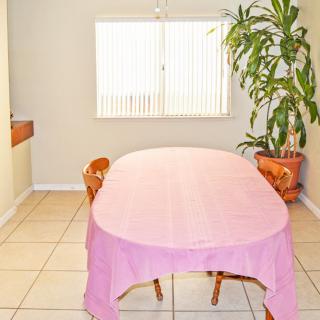
Grace Garden
$4,000 to $5,000 / month18.3 miles away -
from -$750 / mo
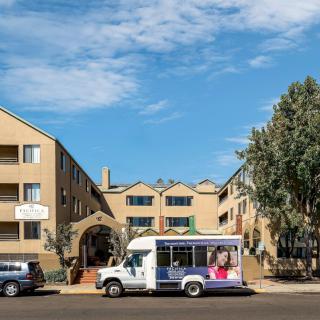
Pacifica Senior Living San Leandro
$3,750 to $4,800 / month20.5 miles away
Overall Review of Shady Oak Place
Pros
 They loved this place.
- It is close to their dad and feels very homey.
- Everyone was very nice and the place was clean.
- It lists activities and has a menu, which they appreciated.
- They would like to place her there if possible.
Cons
 It offers a very limited range of activities.
- There is a very limited range of activities.
Review
Shady Oak Place in Palo Alto is best suited for families seeking a small, home-like assisted-living option where proximity to loved ones and a straightforward, neighborly atmosphere trump the need for a bustling activities program. The strongest case rests with residents who value being near family, enjoying a clean, welcoming environment, and appreciating a garden setting plus predictable meal and daily structure. One review highlights the facility as close to a dad, “very homey,” and clean, with staff described as nice and a menu and activities clearly listed. For families who want to visit and gauge fit in person, these tangible anchors, location, ambiance, and visible routines, make Shady Oak Place a compelling trial option.
Those who crave a robust, ever-evolving slate of activities should consider alternatives. Two of the three reviews flag a very limited range of programming, which means days can feel quiet for residents who thrive on social engagement, outings, and a rich enrichment calendar. If a resident’s well-being depends on extensive group activities, varied classes, or frequent excursions, other communities with dedicated activity directors and larger programming rosters will likely serve better. The small footprint implied by the reviews suggests a calmer environment, but not one that leans into high-energy stimulation.
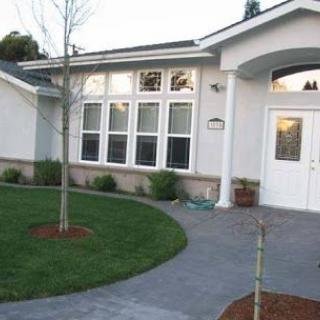
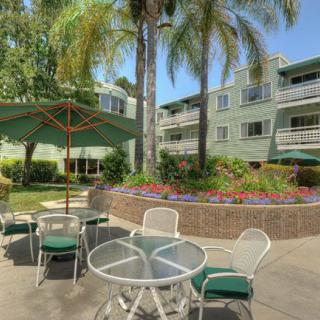
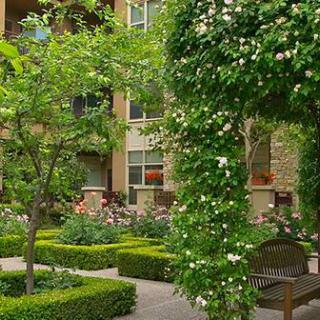
On the plus side, the amenities that accompany a homey setting carry substantial weight. The presence of a garden and clear, posted menus and activity listings point to a facility that takes daily routine seriously, with visibility into daily life for residents and families alike. Cleanliness and warmth emerge as consistent strengths, and the staff come across as approachable in the testimonials. The combination of near-term family access, a predictable schedule, and a nurturing ambiance can translate into a sense of security and belonging that reduces anxiety for both residents and their caregivers.
The main drawback, limited activities, looms as the decisive factor for many choices. While the environment and staff appear solid, the lack of variety can dampen long-term engagement, particularly for residents who derive energy from social interaction and diverse programming. Given the small number of reviews, this risk should be weighed against the potential comfort of a quiet, intimate campus. Families should acknowledge that a smaller program may require supplementing daily life with personal or family-led activities to maintain engagement, and that expectations for spontaneity in entertainment should be tempered.
Nevertheless, the pros can meaningfully offset the cons for the right profile. An intimate setting often enables closer staff-resident relationships, easier communication with caregivers, and a more personalized approach to daily routines. The garden offers an accessible form of gentle, ongoing activity, and the clearly posted menus and activity listings support a sense of control and predictability. For seniors who prefer a steady, low-stimulation environment and value regular family involvement, these factors may deliver more comfort and continuity than a larger, more impersonal facility.
The bottom-line recommendation targets a precise decision: Shady Oak Place is a strong fit for families prioritizing proximity, a home-like vibe, clean surroundings, and predictable routines, where the resident appreciates a calm pace and meaningful family engagement. It is less well-suited for those requiring a rich, structured activities calendar, frequent community outings, or specialized programming. Prospective residents should plan a focused site visit, review the current activity calendar and sample menus, and probe staffing levels and resident-to-staff ratios. Discuss how daily life would look for a preferred routine, and ask to meet other residents or families to gauge whether the intimate setting will meet long-term social and cognitive engagement needs.
 Board and Care Home
 Activities off-site
 Bath tubs
 Devotional services off-site
 Indoor common areas
 Outdoor common areas
 Private
 Private bathrooms
 San Jose International (11 miles away)
 Ambulatory care
 High acuity care
 Incontinence care
 Meals provided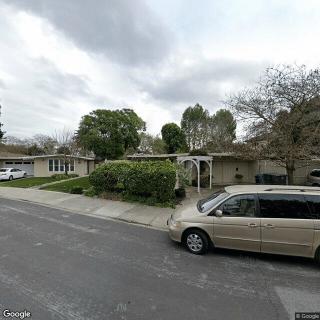



 Comprehensive Guide to Blood Pressure Charts for Older Adults: Understanding Normal and High Readings by Age
 Financing Long-Term Nursing Home Care Through Social Security: A Thorough Exploration
 Essential Knowledge on Pneumonia in Older Adults