
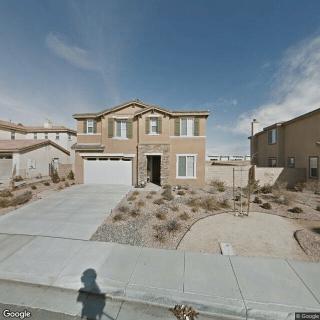
38433 Anset Drive, Palmdale, CA 93551
For more information about senior living options: (866) 208-4318
Overall Review of Humble Haven RCFE III
Pros
 The staff are friendly, caring, and passionate.
 - The facility is highly recommended for families.
- The care provided to residents is exceptional and attentive.
- The facility is very clean and located in a quiet, safe neighborhood.
- The personal care residents receive is outstanding.
- The Volkenant Family appreciates the love and attention their mother received.
- Erwin, Desiree, and the team treat residents like family and make them feel at home.
- Dean, the physical therapist, is making great progress and is highly regarded.
Cons
 The quality of care dropped as more residents were admitted.
- The care was not good.
- During Covid, the task of arranging care was not easy.
Review
This Palmdale community is best suited for families seeking a warm, home-like assisted living experience where residents are treated as members of a caring extended family. It shines for seniors who need daily assistance and some medical oversight but still thrive in a setting that feels intimate, non-clinical, and deeply personal. The reviews repeatedly highlight dementia or post-fall recovery scenarios, where residents benefit from consistent, compassionate attention, on-site rehabilitation, and a staffing team that commits to making each day feel like home.
Those evaluating alternatives should consider options that lean more toward a clinical, hospital-like environment or a larger campus with broader medical staffing. If a resident requires intensive on-site nursing, highly specialized memory-care programming, or a wide array of structured activities and formal routines, this Palmdale option may not check every box. Families prioritizing automatic, round-the-clock medical oversight, extensive on-site specialists, or a built-in hospital feel should compare with larger facilities or communities that emphasize medical acuity and breadth of services.
The strongest pro is the staff culture: passionate, attentive, and genuinely invested in the resident’s well-being. The care teams described feel less like hired aides and more like family members who know the resident’s history, preferences, and routines. That personal connection translates into daily moments of dignity, respect, and reassurance for both residents and visiting family members. When a home environment is staffed by people who treat caregiving as a calling, the consistency and warmth can offset the absence of a large, flashy campus and create a sense of safety and belonging that formal settings seldom match.
Cleanliness, quiet and safety in a residential neighborhood further amplify the value. Families report a facility that is well maintained and orderly, which supports peace of mind for both residents and their loved ones. The environment itself becomes a meaningful part of care, reinforcing routines, reducing anxiety, and supporting rehabilitation efforts. In practice, this means timely assistance with activities of daily living, steady monitoring, and an ambiance that reduces stress for both residents and visiting relatives.
Rehabilitation and daily progress emerge as another standout benefit. A trusted physical therapist is highlighted among the team, with residents showing tangible improvements under professional guidance. This blend of home-like comfort and accessible therapy helps residents regain confidence and function without the rigidity of a hospital setting. The combination of compassionate daily care and targeted mobility work often produces outcomes that families value deeply, especially when a prior care trajectory included declines after transitions to other facilities.
Bottom-line guidance for families is clear: if the objective is a compassionate, tightly knit home environment where staff treat residents like family and are capable of coordinating meaningful rehab and daily support, this Palmdale option stands out as a top choice. It is especially compelling for dementia-related needs or post-fall recovery where the priority is human connection, respect, and a steady, reassuring presence. However, for those whose priority list centers on extensive on-site medical acuity, formal memory-care programming, or a more expansive menu of on-site amenities, it’s prudent to compare with larger, more clinical alternatives. In such cases, this intimate setting may serve as an excellent bridge between independent living and traditional skilled care, delivering genuine value through relationships that feel authentic and enduring.
 6 resident community capacity
 Assisted Living
 Cable or satellite TV
 Dining room
 Fully furnished
 Garden
 Housekeeping services
 Move-in coordination
 Outdoor space
 Telephone
 Wi-Fi/high-speed internet available
 24-hour supervision
 Activities of daily living assistance
 Assistance with bathing
 Assistance with dressing
 Assistance with transfers
 Diabetes diet
 Meal preparation and service
 Medication management
 Special dietary restrictions
 Transportation arrangement (medical)
 Transportation to doctors appointments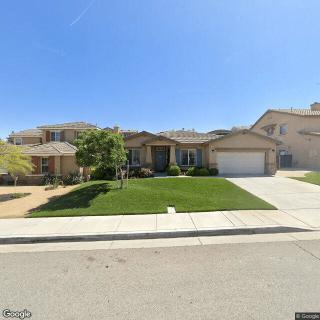



 Understanding the Distinctions: Assisted Living and Memory Care Explained
 Guiding Elderly Parents Who Refuse Assisted Living: 6 Practical Steps
 Your Comprehensive Guide to Luxury Assisted Living: Elevated Facilities, Amenities, and Costs