
40558 16TH ST. WEST, Palmdale, CA 93551
To contact a resident: (661) 273-7349
For more information about senior living options: (866) 208-4318
Overall Review of Americana RCFE
Pros
 The staff are always so sweet.
- The step-father was cared for very well.
- The staff never complained about the step-father, who isn’t the easiest to get along with.
- The facility is highly recommended; it is great.
Cons
 The facility he had been in treated him terribly.
- He isn't the easiest to get along with.
Review
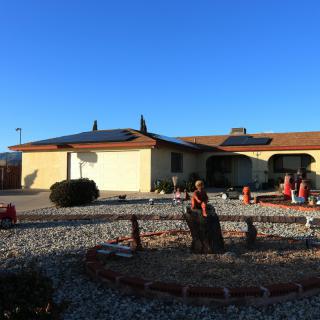
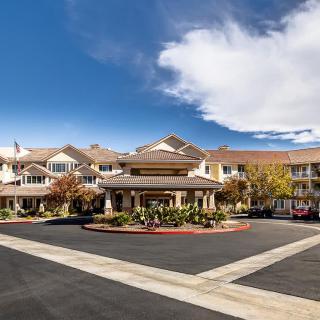
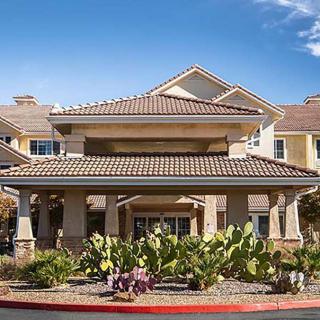
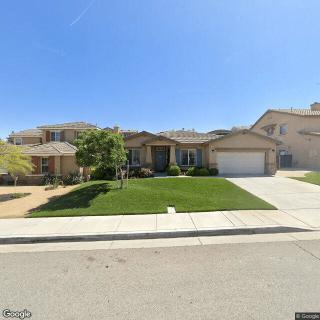
Americana RCFE in Palmdale is best suited for families seeking a small, home-like setting where care staff embody warmth, patience, and a steady, reliable demeanor. The resident profile that thrives here is someone who benefits from consistent kindness and a calm caregiving approach, even when personalities or routines may be challenging. The눀 review highlights a step-father who was “taken care of very well” and underscores how the staff’s gentle, non-judgmental attitude can transform a difficult-to-manage situation into workable, respectful daily life. For families prioritizing a positive, low-drama caregiving culture over high-volume services, this community presents a compelling match.
Those evaluating alternatives should recognize the data is limited to a single, strong positive account. There is no detail about medical acuity, memory care, or a full activity calendar, which means options with more structured programming, specialized units, or broader on-site medical oversight may better suit residents with complex needs. If a loved one requires frequent clinical attention, extensive therapy services, or a more expansive social schedule, larger facilities or RCFE networks with dedicated memory or skilled-nursing components may offer clearer coverage. In short, this is a solid fit for warmth and steadiness, not a replacement for high-acuity care.
The strongest pros center on staff interactions: consistent sweetness, patience, and a willingness to accommodate a resident who isn’t always easy to please. The caregiver tone described in the account suggests a team that avoids friction, defuses tension, and maintains a peaceful living environment. In practical terms, that translates into fewer hallways of tension, more predictable routines, and a home feel that can reduce stress for both residents and families. The positive tone also provides meaningful reassurance to families transitioning from facilities that lacked compassion, signaling that this community prioritizes human connection as a core operating principle.
Ongoing cons remain implicit rather than explicit in the available feedback. The lack of cited drawbacks does not guarantee an absence of risk. Potential families should confirm how care plans are developed and updated, who supervises daily medication administration, and what happens when staffing gaps occur. The small-venue nature of an RCFE can mean fewer specialized services than larger campuses, so clarifying availability of on-site nursing, visiting clinicians, and what constitutes emergency coverage is essential. Transparent conversations about costs, add-on services, and resident-to-staff ratios will reveal how sustainable the care model is over time.
For due diligence, prospective families should arrange direct visits focused on real-time staff-resident interactions, request to speak with caregivers about typical shifts, and observe how the environment functions during meal times and routine activities. Ask about staff turnover, which often affects continuity of care; inquire how personalized care plans are communicated to families; and verify how changes in a resident’s condition are escalated and documented. A tour should also probe meal quality, room configurations, and the availability of meaningful engagement opportunities, since a homey atmosphere benefits from both heart and structure.
In summary, Americana RCFE offers a persuasive option for those prioritizing compassionate, patient-centered care delivered in a small, homelike setting. The narrative around staff kindness and resilience in handling a difficult resident paints a convincing picture of a community where caregiving is personal, not transactional. Families with loved ones who respond well to steady, non-confrontational care and who value everyday warmth over expansive programming will likely feel confident with this choice. For residents needing higher levels of medical oversight, extensive memory-support, or a busier activity calendar, it makes sense to compare alternatives that foreground those needs.
 Board and Care Home
 Exploring the World of Home Health Nurses: Qualifications, Roles, and Hiring Tips
 Navigating Medicare Coverage for In-Home Care Services
 In-Home Care Costs in 2025: A Detailed State-by-State Exploration