
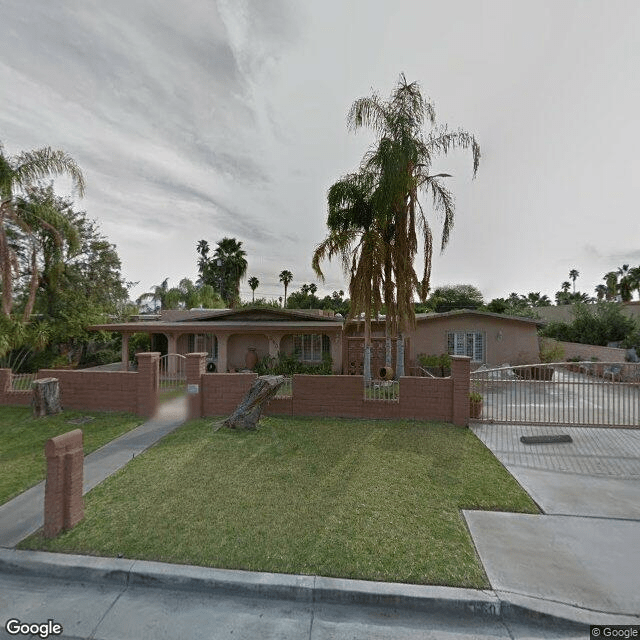
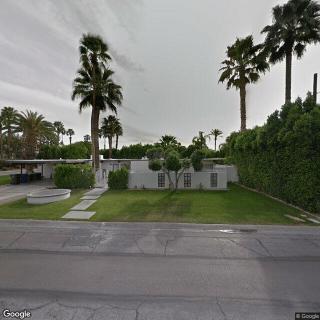
660 Desert View Drive, Palm Springs, CA 92262
For more information about senior living options: (866) 208-4318
Carino's Quality Home Care II Costs & Pricing
Carino's Quality Home Care II offers competitive pricing for its services, positioned favorably against both Riverside County and the broader California market. With a monthly cost of $2,700 for a semi-private room, Carino's is approximately $144 less than the county average of $2,844 and significantly lower than the state average of $3,333. For private rooms, Carino's monthly fee stands at $3,500, which is just slightly above Riverside County's rate of $3,474 but still more economical than the state average of $3,939. Additionally, their one-bedroom option at $3,700 is competitive when compared to Riverside County's average of $3,611 and remains below California's statewide figure of $4,340. Overall, Carino's Quality Home Care II presents an appealing choice for those seeking quality care without compromising on affordability.
| Floor plans | Carino's Quality Home Care II | Riverside County | California |
|---|---|---|---|
| Semi-Private | $2,700 | $2,844 | $3,333 |
| Private | $3,500 | $3,474 | $3,939 |
| 1 Bedroom | $3,700 | $3,611 | $4,340 |
Memory care communities with a similar price nearby
-
from +$300 / mo
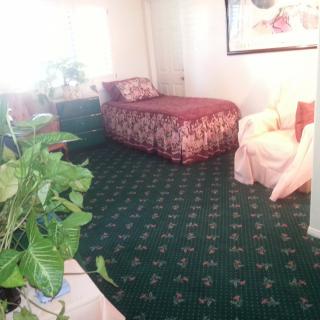
Carino's Quality Home Care
$3,000 to $3,500 / month1.9 miles away -
from -$200 / mo
Island's Best Home Care
$2,500 to $3,000 / month2.8 miles away -
from +$295 / mo

Stonewall Gardens
$2,995 to $5,450 / month3.3 miles away -
from -$150 / mo
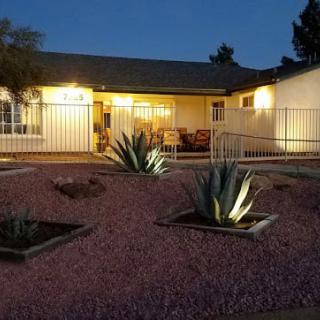
Angelic Mansions Assisted Living
$2,550 to $4,795 / month21.7 miles away -
from +$400 / mo

Pacifica Senior Living Palm Springs
$3,100 to $4,200 / month1.1 miles away
Overall Review of Carino's Quality Home Care II
Pros
 The mom loves the service.
- Carl was amazing—kind, funny, and highly competent.
- He’s a five-star caregiver across the board.
- Lance, Holly, and Christine are awesome.
- The staff is dedicated to accommodating their needs.
- The home is clean and well kept; the caregivers keep the mom clean and well groomed.
- The ladies are knowledgeable about caregiving.
- They communicate openly, and are respectful and kind.
- Desert Home Health’s staff are courteous, capable, and caring; they arrive on time and call ahead.
Cons
 The agency is described as horrible with a “my way or the highway” attitude.
- They became extremely defensive whenever their quality of care was questioned.
- They did not communicate with the reviewer’s primary care provider.
- The owner Emma is portrayed as defensive and as standing by her staff and their decisions.
- They were accused of labeling the reviewer noncompliant and refusing service.
- Carinos Quality Home Care should not be in business due to safety failures and alleged lies about COVID.
- An owner was traveling and allegedly brought COVID into the facility.
- Caregivers and an owner became ill and all guests tested positive for COVID, with unclear explanations about the illnesses.
Review
Carino's Quality Home Care II in Palm Springs is best suited for families seeking true in-home nursing intensity in a home-like setting, where a small, personable team can deliver hands-on care, daily grooming, and wound-care support. It works well for seniors who respond to consistent, one-on-one caregivers and who can participate actively in care planning and cost discussions. The strongest appeal lies in a clean, orderly environment, clear daily routines, and a willingness to tailor services around evolving needs. Those hoping for a large, highly standardized operation with a single bedside nurse rotating on a strict schedule may find the experience less aligned with expectations.
Alternatives to consider include bigger, centrally managed home-health providers that emphasize predictable staffing and formal coordination with primary physicians, or a licensed assisted living community with built‑in clinical oversight. Families who prize complete transparency about pricing and want to avoid surprise charges should scrutinize contracts and insist on detailed cost breakdowns upfront. For caregivers who want more integrated medical oversight under one roof, an on-site facility option with broader specialty services may prove more reliable.
On the positive side, several individual caregivers stand out for quality and reliability. A nurse named Carl is repeatedly described as kind, capable, and dependable, delivering the kind of consistent performance that makes a real difference in daily care. Other team members, Hol ly and Christine among them, are recognized for strong wound-care skills and hands-on nursing competence. The home itself tends to be well kept, with staff who maintain cleanliness and personal grooming, and who communicate in a respectful, open manner when disagreements arise. These strengths demonstrate what capable staff can achieve when they have room to apply skilled, compassionate care.
Yet the core risks lie in management philosophy and care coordination. A notable portion of the feedback portrays a rigid, “my way or the highway” attitude from leadership when schedules, care consistency, or patient preferences are raised. The absence of steady, proactive communication with the patient’s primary care provider and a stable primary nurse over time undermines trust and makes the care feel episodic rather than cohesive. Reports about illness among caregivers and owners, paired with inconsistent explanations, raise serious questions about transparency and reliability that no family should have to chase down.
Cost stability emerges as a decisive factor in choosing this agency. Several reviewers highlight surprise increases beyond the initial quote, underscoring the necessity of upfront, written pricing agreements and ongoing confirmations of what is included. The presence of standout clinicians, clean surroundings, and attentive bedside care can offset some frustration, but only if the organization demonstrates steady staffing, clear expectations, and trustworthy communication. In sum, strong individual talents exist within the team, but sustainable value depends on translating those strengths into dependable, coordinated services rather than reactive, variable care.
Bottom line: Carino's Quality Home Care II can be a viable option for families willing to actively manage the care process, demand continuity with a small, trusted cadre of staff, and insist on transparent pricing and formal care-planning. It is less suitable for households seeking seamless consistency, guaranteed physician coordination, and a fully predictable service model. If those non-negotiables matter, exploring larger home-health providers with documented caregiver retention and more centralized administration, or transitioning to an assisted living setting with integrated clinical oversight, will likely yield a smoother, more predictable caregiving experience. For others, a disciplined, upfront conversation about staffing expectations, cost structure, and ongoing communication can unlock the meaningful, compassionate care that capable nurses and aides are capable of delivering.
 6 resident community capacity
 Assisted Living
 Board and Care Home
 Memory Care
 Beautician on-site
 Cable or satellite TV
 Dining room
 Fully furnished
 Garden
 Housekeeping services
 Move-in coordination
 Outdoor space
 Private
 Respite or short term stays offered
 Telephone
 Wheelchair accessible showers
 Wi-Fi/high-speed internet available
 Palm Springs International (1 miles away)
 24-hour supervision
 Activities of daily living assistance
 Ambulatory care
 Assistance with bathing
 Assistance with dressing
 Assistance with transfers
 Diabetes diet
 High acuity care
 Hospice waiver
 Incontinence care
 Meal preparation and service
 Medication management
 Mental wellness program
 Special dietary restrictions
 Transportation arrangement (medical)
 Transportation to doctors appointments




 Understanding Dementia Through Its Seven Stages: A Comprehensive Look at Progression and Expectations
 A Holistic Dementia Care Guide: Effective Strategies for Memory Support
 Memory Care Pathways: A Holistic Guide to Dementia Support