
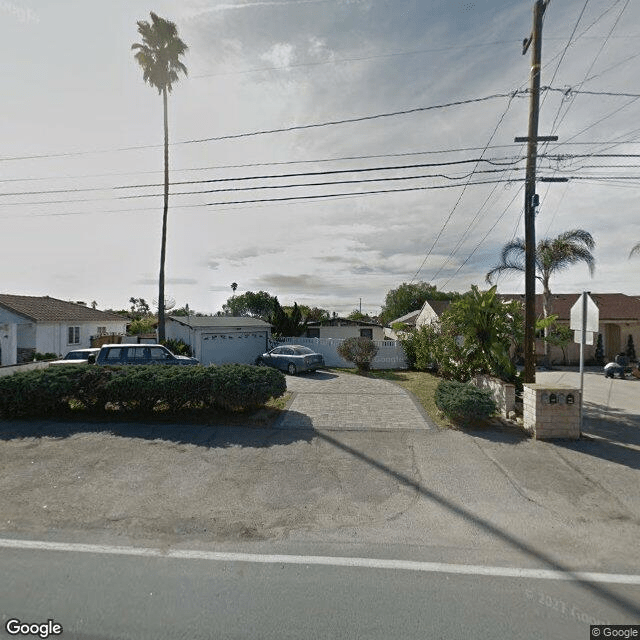
852 Walnut Dr, Oxnard, CA 93030
To contact a resident: (805) 485-8614
For more information about senior living options: (866) 208-4318
B & Z Care Home Costs & Pricing
B & Z Care Home offers a competitively priced option for those seeking semi-private accommodations, with a monthly cost of $1,000. This rate stands in stark contrast to the average costs in Ventura County, which are approximately $3,438, and even the broader state of California where semi-private rooms typically average around $3,333 per month. Such significant savings make B & Z Care Home an attractive alternative for families looking for quality care without the financial burden that often accompanies residential care facilities in both the county and state.
| Floor plans | B & Z Care Home | Ventura County | California |
|---|---|---|---|
| Semi-Private | $1,000 | $3,438 | $3,333 |
Senior living communities with a similar price nearby
-
from -$76 / mo

Sycamore Senior Village
$924 to $1,174 / month2.5 miles away
Overall Review of B & Z Care Home
Pros
 The caregivers are loving, patient, and caring.
- The home is clean and cozy and offers wonderful home-cooked meals for residents.
- The director of the care home is truly an earthly angel.
Review
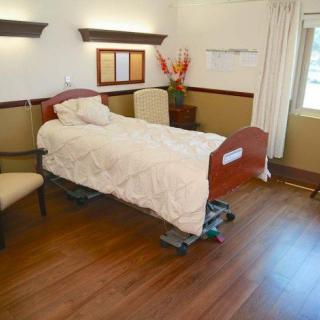
B & Z Care Home in Oxnard is best suited for families seeking a small, home-like setting where residents receive exceptionally warm, patient, and attentive care. The prevailing tone from those who have firsthand experience is that the staff genuinely loves and treats residents with a level of kindness that feels far from institutional. The home itself is described as clean and cozy, with meals prepared in-house that deliver the comfort of home-cooked dining. The director is highlighted as a remarkable leadership presence, guiding daily routines with steady compassion and personal investment. For seniors who prioritize relational care, predictability, and a sense of belonging over prestige or clinical heft, this community stands out as a clear, practical fit.
The strongest upside centers on the human elements: staff who are loving, patient, and consistently attentive, paired with a home-like environment where cleanliness and comfort reinforce daily well-being. Residents benefit not only from nourishing meals but from caregivers who seem to know their preferences, routines, and concerns. The leadership dimension, an engaged director who communicates with clarity and warmth, provides families with a recognizable point of trust and accountability. In concrete terms, these factors translate into reduced anxiety about daily care, easier communication, and a steady rhythm that supports pace and purpose in aging in place. For families who fear impersonality or turnover, the documented combination of devoted staff and steady governance is especially reassuring.
Operationally, the intimate scale of a private care home tends to yield highly personalized interactions. Residents appear to experience a level of closeness that often disappears in larger facilities, with caregivers who stay engaged over time and routines that feel predictable yet flexible enough to accommodate changing needs. The practical outcomes of this model include reliable daily structure, opportunities for meaningful conversations, and a stronger sense of being known. The director’s hands-on involvement further reinforces a culture where concerns are heard and addressed promptly. In a landscape where consistency is prized, this environment delivers a palpable sense of safety and belonging that is hard to beat in an equivalent setting.
Still, the compact, intimate format invites careful consideration of tradeoffs. The reviews do not spotlight major drawbacks, yet potential gaps naturally accompany smaller homes: fewer on-site medical resources, a more limited slate of formal activities, and tighter staffing pools. Families should explore how medication management, nursing oversight, and care planning are handled on a day-to-day basis, and what arrangements exist for visiting clinicians or specialists. Transportation logistics, appointment coordination, and the availability of memory- or cognition-focused programming are practical items to confirm. In short, the absence of grand-scale amenities may be a comfort for some and a constraint for others, depending on medical complexity and social expectations.
That tension between warmth and scale can be navigated by aligning expectations with need. For residents who prize direct relationships, rapid responsiveness, and a serene home environment, the pros effectively offset the main considerations. Strong caregiver relationships reduce stress for both residents and families, while a transparent leadership presence helps maintain accountability and trust. The care culture described here is particularly well-suited for seniors who thrive on routine, prefer private, low-stimulation settings, and value home-cooked meals that feel familiar. When medical complexity grows beyond routine companionship or when a highly structured activity calendar is essential, the favorable tradeoffs may lessen, nudging families to compare alternatives that offer broader clinical coverage.
Ultimately, the decision to choose B & Z Care Home rests on valuing intimate, person-centered care over institutional scale. This community delivers a compelling combination of compassionate staff, a clean and cozy living space, and nourishing, homestyle meals, all under the steady guidance of a director who embodies dependable leadership. It is a strong recommendation for families seeking a welcoming, family-like atmosphere where residents are treated as individuals whose preferences matter daily. For those with elevated medical needs, or for families who want extensive memory-care programming and broader clinical resources, alternatives that offer more robust nursing support and formalized programming should be considered. The path forward is to arrange a visit, observe floor-time interactions, discuss staffing patterns and care plans, and confirm how specific needs would be met within this intimate setting.
 Board and Care Home
 Oxnard (4 miles away)




 A Detailed Exploration of Living Wills and Advance Directives
 Comprehensive Guide to Medicare Coverage for Hospice Care
 Caring for Those Who Care: Recognizing, Understanding, and Overcoming Caregiver Burnout