
112 Grand Avenue, Oroville, CA 95965
For more information about senior living options: (866) 208-4318
Overall Review of Sandy's Helping Hands
Pros
 The staff is friendly and punctual.
- They are a wonderful asset to the community—fast, efficient, and ready to help.
- They can schedule same-day service with a short wait and complete the work quickly, and they are very polite and professional.
- They can get just about anything done and are changing people's lives.
- They provide services at a great price and contribute to saving people's lives.
- The shelters offer weeks of shelter and showers with nice staff and free sandwiches at night.
- The place is great.
Cons
 The rooms were cold and there was no door for privacy.
- There was black mold and dirty vents in the bathroom.
- Poor management was cited.
- The place does not exist.
- The group never showed up as promised.
- They did not deliver timely services and were advised to avoid them.
Review
Sandy’s Helping Hands in Oroville is best suited for seniors who want dependable, friendly staff and practical, no-fruss assistance with daily living in a straightforward, budget-conscious setting. This community trend favors predictable routines, accessible help with chores, reminders to take medications, and timely transport or errands where needed. Families that prize a warm, present staff and value being able to rely on day-to-day support will likely appreciate the core service delivery here. Those who expect a pristine, privacy-forward living environment or a facility with exceptionally tight operational discipline should carefully weigh alternatives before committing.
Several reviews paint a clear strength: staff demeanor and reliability. Multiple writers describe employees as friendly, on time, and capable of handling tasks efficiently, sometimes with a sense of urgency that keeps daily life moving. The sense that the team is readily available for residents’ needs translates into tangible peace-of-mind for families who cannot be on site constantly. In some accounts, the operation is framed as a valuable community resource, underscoring a perception that the staff’s commitment to helping others shows up in practical ways, even if the setting itself is not upscale. That reliability matters when a senior needs steady hands and a predictable routine.
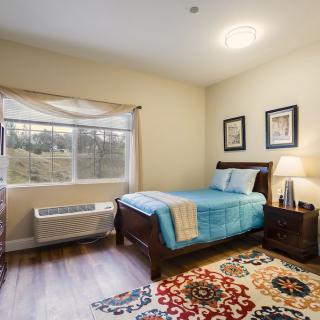
Yet the positives are sharply undercut by notable downsides that can erode safety and comfort. The most recurring concerns center on the living environment: cold rooms and a lack of doors or barriers that compromise privacy, along with reports of black mold and dirty bathroom vents. Such environmental and sanitary issues are not minor annoyances in assisted living; they directly impact health, daily comfort, and the emotional well-being of residents who spend extended time in the space. In addition, several reviews flag poor management, suggesting inconsistencies in response times, decision-making, and the follow-through families depend on to resolve problems. Taken together, these factors raise legitimate red flags for long-term residential use.
The key question becomes whether the strengths can meaningfully offset these environmental and leadership gaps. For families prioritizing responsive caregiving and lower upfront costs, the dependable staff and quick service can still deliver value, especially when a resident’s needs are largely about companionship, routine, and help with daily tasks rather than high-level medical supervision. However, the environmental shortcomings and management concerns do not disappear with good intentions. They reduce perceived safety, worsen infection control considerations, and increase the likelihood of ongoing maintenance disruptions. In short, the pros support basic, reliable support, but the cons threaten ongoing comfort, health, and trust.
Given the mix of experiences, some families will want to consider alternatives. Those with strong privacy requirements, or who need a consistently clean, well-maintained, and tightly supervised living space, should be cautious. Seniors with respiratory sensitivities or mobility issues, who rely on a well-ventilated, mould-free environment, are particularly vulnerable to the issues raised in several reviews. Prospective residents who expect uniform quality and proactive, visible management should look into other communities with a clearer track record on environmental standards and governance. The presence of several one-star experiences signals a real risk to those prioritizing steady, high-quality conditions.
To move forward confidently, approach this facility with a rigorous due diligence plan. Schedule a thorough tour and insist on inspecting actual living spaces for privacy features, door closures, and door locks. Request recent maintenance logs and a walkthrough of the HVAC and bathroom ventilation, looking for signs of dampness or mold remediation. Speak with current residents about day-to-day life, focusing on responsiveness, safety, and how quickly issues are addressed. Review the contract for clear terms on service hours, staffing ratios, emergency procedures, and remedies if standards slip. If all signals align, friendly staff, predictable routines, and verified environmental safeguards, the site can be a fit. If not, alternatives offering stronger privacy, cleaner environments, and more consistent management are the prudent path.
 6 resident community capacity
 Assisted Living
 Board and Care Home
 Cable or satellite TV
 Dining room
 Fully furnished
 Garden
 Housekeeping services
 Move-in coordination
 Outdoor space
 Telephone
 Wi-Fi/high-speed internet available
 Chico Municipal (25 miles away)
 24-hour supervision
 Activities of daily living assistance
 Assistance with bathing
 Assistance with dressing
 Assistance with transfers
 Diabetes diet
 Meal preparation and service
 Medication management
 Special dietary restrictions
 Transportation arrangement (medical)
 Transportation to doctors appointments







 Comprehensive Insights into Activities of Daily Living (ADLs) and Their Assessment
 Medicare Coverage for Assisted Living: An In-Depth Exploration
 Choosing the Right Senior Care: A Detailed Exploration of Assisted Living and Nursing Homes