
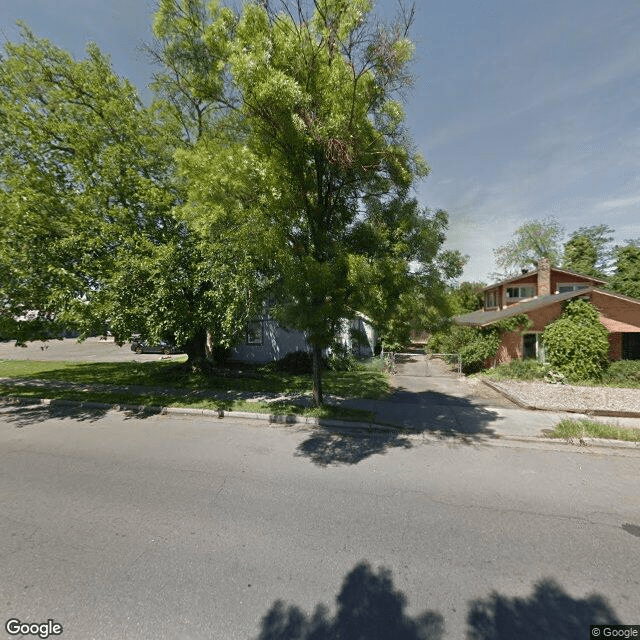
790 Montgomery Street, Oroville, CA 95965
For more information about senior living options: (866) 208-4318
Bunny's Leisure Apartments Costs & Pricing
Bunny's Leisure Apartments offers a competitive monthly rate for their studio apartments at $550, which significantly undercuts both the county and state averages. In Butte County, the typical cost for similar accommodations reaches approximately $3,286, while across California, the average climbs to about $4,145. This substantial difference highlights Bunny's Leisure Apartments as an attractive option for those seeking affordable living without sacrificing quality in a region where housing expenses can be dauntingly high. Whether you're a student, professional, or simply looking to downsize, Bunny's represents an opportunity to enjoy comfortable living at a fraction of the surrounding costs.
| Floor plans | Bunny's Leisure Apartments | Butte County | California |
|---|---|---|---|
| Studio | $550 | $3,286 | $4,145 |
Overall Review of Bunny's Leisure Apartments
Pros
 It seems like an okay place to live though.
Cons
 The Place could use some work.
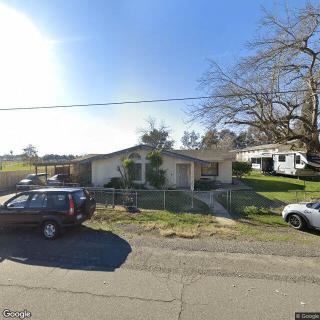
- It is really shabby in front of every apartment.
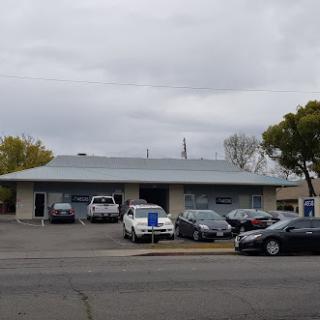
- The parking lot could use some lights.
- The studios have roaches and mice.
- There are rodents, insects, and poorly kept living conditions.
- There is nothing good to say about the place, and the owners should be ashamed.
- It is a bad place.
- There are no bunnies and no leisure.
- It is a rough place to live in or visit.
- It is a dangerous place due to drugs, fake dope, and counterfeit money; it should be avoided.
- It needs to be cleaned up; there is a lot of riff-raff around the location.
- There are no services or activities available.
Review
Bunny's Leisure Apartments in Oroville is best suited for independent adults who can manage their own daily needs and live with minimal services or programming. It is effectively a bare-bones rental option rather than a true assisted-living community, so it appeals to those who prioritize low maintenance expectations and a simple housing arrangement over on-site care, medication management, or structured social activities. For seniors or families where daily living support, safety monitoring, or meaningful engagement are essential, alternatives with licensed care and more robust maintenance should be the default path.
Across the reviews, the consensus skewers heavily toward shortcomings in upkeep, safety, and livability. Reports describe pest problems, roaches and mice, combined with cleanliness and maintenance shortcomings that townsfolk would expect to see addressed in a well-managed property. The parking areas are noted to be inadequately lit, and the overall appearance of the property is characterized as shabby in multiple accounts. Several entries warn that the surrounding environment can feel rough or unsafe, and a handful of reviewers explicitly flag potential safety and security concerns rather than a peaceful, predictable living situation. In short, the resident experience appears inconsistent and frequently troubling.
Pros, where they exist, are narrow and largely revolve around the absence of formal care requirements. For an exceptionally self-reliant tenant who simply wants a low-cost rental and is comfortable handling personal tasks without staff intervention, the lack of care obligations can be a minor convenience. However, those slender advantages do not meaningfully counterbalance the dominant negatives: infestations, questionable cleanliness, limited maintenance responsiveness, and safety concerns. The result is a residence that can feel unstable and unreliable, particularly for seniors who expect dependable upkeep, timely repairs, and a basic level of physical security.
From a decision-making standpoint, the first move is to verify basic accessibility and responsiveness, confirm a direct line to a designated office, and assess whether communication is easy and prompt. The second step is a thorough in-person assessment: inspect the units and common areas, evaluate lighting and security features, and check whether maintenance requests are handled promptly and pests are actively managed. The third step is to talk with current residents about the day-to-day reality, quiet hours, safety, and the presence (or absence) of any organized activities. These steps reveal whether the claimed lack of services aligns with lived experience and whether any red flags found are deal-breakers.
For families weighing options, the contrast with licensed assisted living communities is stark. If care, supervision, and regular social engagement matter, those communities deliver structure, staff availability, medication oversight, and safety protocols that Bunny’s Leisure appears to lack. Even within independent living, search for facilities that emphasize proactive maintenance, systematic pest control, visible security measures, and a stable operational track record. Consider location, access to transportation, and connections to community resources, since daily quality of life hinges on more than the four walls of a building. In practice, the best-fit choice should prioritize safety, reliability, and meaningful activity over the allure of minimal services and low friction.
In sum, Bunny's Leisure Apartments do not present a compelling option for seniors needing daily assistance, memory support, or consistent safety oversight. The strongest case for this community rests with extremely budget-conscious individuals who value independence above all and can endure significant maintenance gaps and environmental concerns. For families evaluating options, the prudent move is to assemble a short list of communities with licensed care or, at minimum, robust on-site maintenance, pest control, security, and resident-support programs. The final decision should hinge on whether the promised independence aligns with the loved one’s health, safety, and social needs, and on whether reliable upkeep and safe surroundings can be verified before committing to a lease.
 Active Adult Communities (55+)
 Cats allowed
 Dogs allowed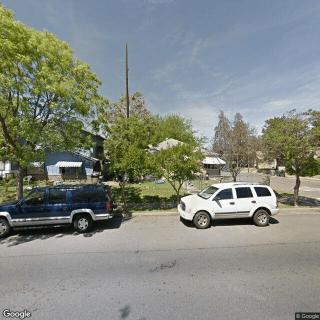

 Understanding the Sandwich Generation: Stress and Responsibilities for Multigenerational Caregivers
 8 Essential Assistive Devices for Older Adults
 Navigating the Financial Road to Nursing Home Care: In-Depth Guidance and Resources