
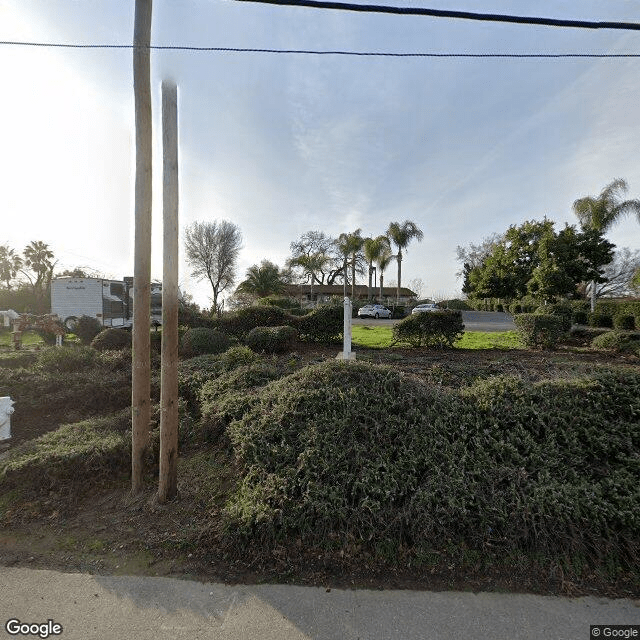
9464 Oak Ave, Orangevale, CA 95662
To contact a resident: (916) 988-6764
For more information about senior living options: (866) 208-4318
Queen of Hearts Eldercare Costs & Pricing
Queen of Hearts Eldercare offers a range of accommodation options that reflect competitive pricing in comparison to both Sacramento County and the broader California market. For a semi-private room, the facility charges $3,500 per month, which is slightly above Sacramento County's average of $3,106 but more affordable than the state average of $3,333. In terms of private rooms, Queen of Hearts sets its rate at $3,800; this amount is marginally higher than the county's average of $3,686 and below the state's average of $3,939. These figures suggest that while Queen of Hearts Eldercare positions itself on the higher end for semi-private accommodations within its local context, it maintains a reasonable price point for private rooms compared to statewide averages. Overall, the costs reflect a commitment to quality care and accommodating living environments within an evolving market.
| Floor plans | Queen of Hearts Eldercare | Sacramento County | California |
|---|---|---|---|
| Semi-Private | $3,500 | $3,106 | $3,333 |
| Private | $3,800 | $3,686 | $3,939 |
Senior living communities with a similar price nearby
-
from -$500 / mo
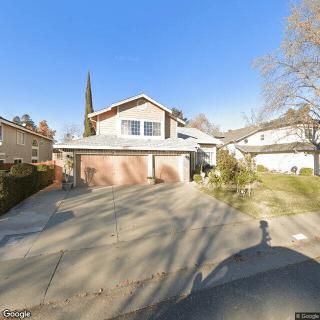
Afable Care Home
$3,000 to $3,500 / month9.3 miles away -
from +$500 / mo
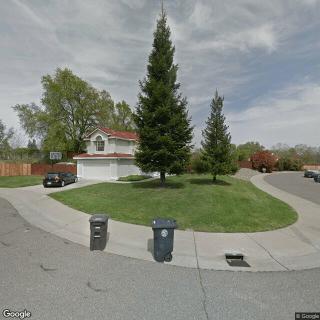
Sungarden Villa II
$4,000 / month3.6 miles away -
About the same
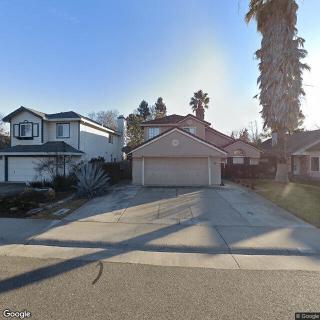
Tabitha Home Care
$3,500 to $4,000 / month22.6 miles away -
from +$650 / mo
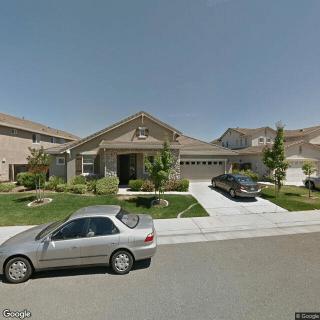
Ferrari
$4,150 to $5,500 / month12.5 miles away -
from -$500 / mo
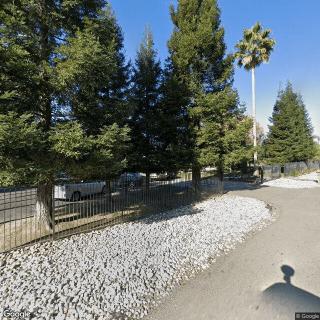
Love & Care for Elder
$3,000 to $4,500 / month7.5 miles away
Overall Review of Queen of Hearts Eldercare
Pros
 The staff are passionate about their work and kind.
- The staff regularly reach out and keep families informed.
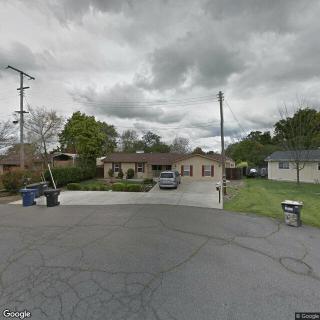
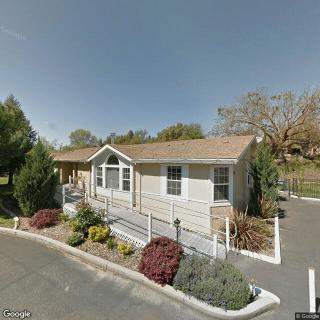
- The home feels like a regular house, is clean, and has a bright, positive atmosphere.
- The facility is a godsend for families, greatly alleviating worry.
- The staff are friendly and hardworking, and residents are treated like family.
- The meals are home-cooked and the setting features pleasant country views.
Cons
 The previous facilities had been nightmares and did not look after her well at all.
- She was almost lost on several occasions due to neglect.
- The administrator never discussed her care, only money.
- There were communication problems among the administrator, staff, and family; no one was on the same page.
- The administrator engaged in unprofessional conduct.
- The facility would not be recommended unless the resident is a very low level of care—ambulatory and able to advocate for herself.
- They really don't have trained staff.
- The cleanliness and the resident's hygiene and care were not good.
Review
Queen of Hearts Eldercare in Orangevale is best suited for families seeking a warm, home-like atmosphere where a resident can receive attentive, compassionate care during transitions, including hospice-adjacent care. The environment feels more like a house than a hospital, with abundant light and a friendly, familial vibe. Staff members are described as genuinely invested in their work, and families report regular, informative updates that ease anxiety about a loved one’s day-to-day well-being. For families who have endured unsettling experiences at other facilities, this community often represents a welcome and meaningful shift, where peace of mind replaces fear, and the resident’s mood and outlook can improve as a result.
That said, there are clear reasons why some families may want to consider alternatives. The facility does not present itself as a locked dementia unit, which means it may not be the best choice for residents requiring secure, highly supervised memory-care environments. For residents with more intensive medical or behavioral needs, prospective families should scrutinize the level of clinical oversight and the consistency of care planning. A few reviews highlight friction around administration and finances, and concern that care discussions can be eclipsed by billing or policy questions. In short, the model shines for attentive, day-to-day companionship and basic-to-moderate care, but it may fall short for those needing rigorous medical coordination or a highly structured dementia program.
On the positive side, the strongest advantages center on people and atmosphere. The staff’s apparent passion translates into a homey, northeast-California living experience rather than a clinical setting. Families consistently praise the regular communication, which helps them feel connected and informed without frequent invasions of privacy. The facility’s ownership structure, an RN-owned operation with a kitchen featuring real, homemade meals, contributes to trust that clinical judgment and daily nourishment are prioritized. Reports of a clean, bright environment and residents who engage with each other in a friendly, neighborly way reinforce the sense of belonging that many elder-care decisions seek.
However, several meaningful concerns temper the appeal. A recurring theme involves administrative conduct and communication gaps: a few families describe interactions where administrative decisions or financial considerations seemed to outpace or overshadow direct care planning, creating unease about whether the resident’s needs always drive the plan of care. Additional notes point to inconsistent attention to personal hygiene and daily meals for at least one resident, suggesting that staffing levels or training may not always align with the full spectrum of resident needs. The absence of a dedicated dementia-secure area also raises questions for families with residents who require stricter safety measures or specialized memory-care programming.
For families evaluating options, practical steps sharpen the decision. Request a clear, written care plan before admission, with explicit responsibilities assigned to staff, physicians, and the family. Ask to meet the care coordinator or administrator to understand how care decisions are documented and communicated, and insist on transparent billing practices, including what is included in the monthly rate and when additional charges apply. Seek a current menu and nurse- or dietician-approved meal planning to verify that nutritional needs, especially for appetite fluctuations or dietary restrictions, will be met. If memory care is anticipated, probe whether any secure spaces, staff training for dementia, and structured activity programs exist, or if alternatives might be required. Consider a trial visit or daytime experience to observe interactions, pace, and responsiveness before committing.
Ultimately, Queen of Hearts Eldercare offers a compelling value in Orangevale for families prioritizing a sincere, home-centered approach and reassuring caregiver visibility. It is a strong choice for those who want a facility that feels like a home, with a personable staff and dependable family updates, particularly when a resident is transitioning toward less intensive care needs or hospice-related support. Yet for residents needing robust medical management, highly structured dementia care, or consistently flawless administrative communication, it pays to widen the search. The right fit depends on balancing the emotional comfort of a warm, trustworthy atmosphere against the clinical rigidity some cases demand. This community deserves careful on-site assessment to confirm alignment with the resident’s current and anticipated needs.
 Board and Care Home
 Activities off-site
 Beautician on-site
 Devotional services on-site
 Indoor common areas
 Outdoor common areas
 Private
 Private bathrooms
 Wheelchair accessible showers
 Sacramento International (21 miles away)
 Diabetic care
 High acuity care
 Incontinence care
 Medication management
 Meals provided

 Understanding the Sandwich Generation: Stress and Responsibilities for Multigenerational Caregivers
 8 Essential Assistive Devices for Older Adults
 Navigating the Financial Road to Nursing Home Care: In-Depth Guidance and Resources