
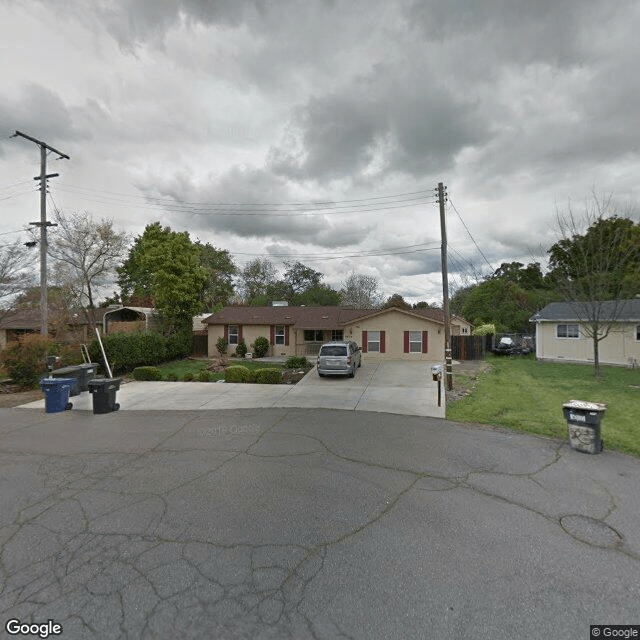
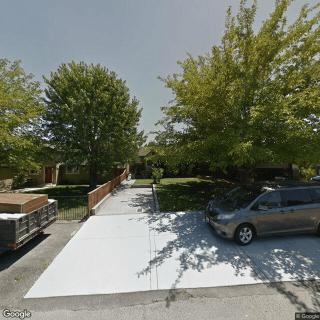
9495 Deanna Ave, Orangevale, CA 95662
To contact a resident: (916) 987-1843
For more information about senior living options: (866) 208-4318
Felicia's Residential Care Facility Costs & Pricing
Felicia's Residential Care Facility offers competitive pricing for its residents, particularly when compared to the regional and state averages. For a semi-private room, the facility charges $2,000 per month, which is significantly lower than Sacramento County's average of $3,106 and the state's average of $3,333. Similarly, the cost for a private room at Felicia's is set at $2,500, again undercutting both Sacramento County's average of $3,686 and California's state average of $3,939. This pricing strategy not only reflects Felicia's commitment to affordability but also positions it as an attractive option for families seeking quality care without the financial burden typically associated with residential facilities in the area.
| Floor plans | Felicia's Residential Care Facility | Sacramento County | California |
|---|---|---|---|
| Semi-Private | $2,000 | $3,106 | $3,333 |
| Private | $2,500 | $3,686 | $3,939 |
Senior living communities with a similar price nearby
-
About the same
Antelope Hills Home Care
$2,000 to $2,500 / month7.8 miles away -
from -$100 / mo
Bloomfield Hills Assisted Living
$1,900 to $2,400 / month5.8 miles away -
from +$370 / mo
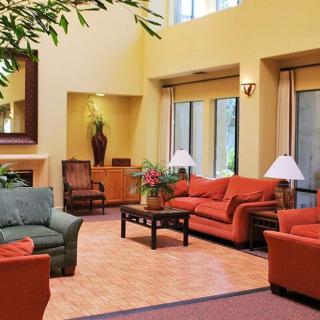
Winding Commons Senior Living
$2,370 to $3,870 / month7.5 miles away -
from -$200 / mo
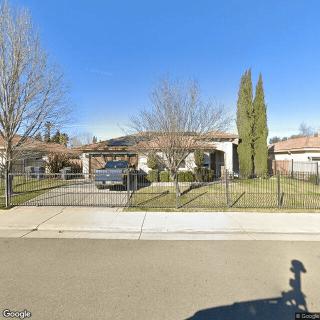
Ciric Care Home
$1,800 to $2,800 / month16.8 miles away -
from +$200 / mo
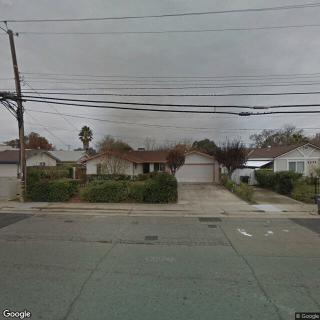
Afable Home Care II
$2,200 to $3,000 / month9.4 miles away
Overall Review of Felicia's Residential Care Facility
Pros
 They are enjoying their new life at American House in Bonita Springs.
- They picked the right facility after looking at many independent living facilities.
- They are getting what they expected.
- The staff are very helpful and courteous.
- They hope to live the rest of their life there.
- Felicia is one of the nicest and sweetest women around.
- She knows her stuff and will try her best to work with you.
- She is genuinely sincere and can be firm and strict when it comes to food regimens.
- She will truly look out for the one you love.
Review
Felicia's Residential Care Facility is best suited for families seeking an intimate, home-like assisted living option for a loved one who benefits from high-touch, personalized care in a small setting. Located in Orangevale, California, this licensed facility operates with a six-bed capacity, delivering daily routines and supervision in a true residential environment rather than a dormitory-style institution. The model serves seniors who want consistent, hands-on attention, where caregivers know residents well, meals are tailored, and daily life feels predictable and secure. It is ideal for those prioritizing relationship, safety, and a calmer pace over grand-scale amenities.
Those needing robust clinical oversight or specialized memory care may want alternatives. If 24/7 nursing, extensive on-site medical services, or a wide calendar of social activities across a larger community is essential, a larger assisted living or memory-care campus may be a better fit. Similarly, families seeking a setting with multiple staff shifts and a broader pool of caregivers, reducing the impact if one person is unavailable, will find more options elsewhere. For residents who thrive on variety and constant stimulation, the six-person home may feel constraining rather than comforting.
Pros show up in the daily texture of care. The small home setting enables unusually close attention and rapid responsiveness; staff can spot changes in appetite, mood, or mobility and adjust quickly. Felicia herself is repeatedly described as genuinely kind, experienced, and able to balance warmth with firmness, especially around routines like meals. That disciplined approach to diet can be a blessing for residents who require consistent nutritional management. The overall atmosphere tends toward safety, dignity, and a sense that someone truly will look out for the individual resident's best interests.
On the flip side, the six-resident count can limit peer interaction and the breadth of activities. A smaller home may rely heavily on one caregiver’s schedule, which can create vulnerability if illness or personal needs arise. There may be fewer on-site services (therapy, specialty activities, or medical support) compared with bigger communities, and transportation or access to external appointments can be more dependent on family involvement. Privacy exists, but so does the reality of a more intimate, less anonymous environment where routine disruptions ripple more noticeably.
Nevertheless, the core strengths, personalized attention, consistent supervision, and a caregiver who prioritizes the resident’s safety, often outweigh these limits for residents who value a family-like setting. For many families, Felicia's hands-on leadership translates into reliable daily rhythms, predictable meals, and a sense that the loved one is truly known. When risks are managed through clear care plans, regular family updates, and a plan for contingencies, the small home becomes a compelling alternative to sterile, impersonal facilities.
Families evaluating this option should prioritize the resident’s care goals and risk profile. Schedule an in-person visit to observe meal routines, caretaker interactions, and safety measures; ask about staffing hours, caregiver turnover, emergency protocols, and how medical needs are coordinated. Verify licensing and inspection history, and request a sample meal plan and daily schedule. Discuss costs and what is included, plus contingencies if medical needs escalate. If the priority is intimate, attentive care in a warm, life-affirming setting, Felicia's Residential Care Facility warrants serious consideration; for broader medical support and social programming, alternatives should be explored.
 Board and Care Home
 Activities on-site
 Beautician on-site
 Indoor common areas
 Outdoor common areas
 Private
 Private bathrooms
 Wheelchair accessible showers
 Sacramento International (21 miles away)
 High acuity care
 Incontinence care
 Meals provided

 Caring for Those Who Care: Recognizing, Understanding, and Overcoming Caregiver Burnout
 Caregiver Exhaustion: Recognizing the Signs and Restoring Your Well-Being
 Understanding Hospice Care at Home: Comprehensive Services, Key Benefits, and Eligibility