
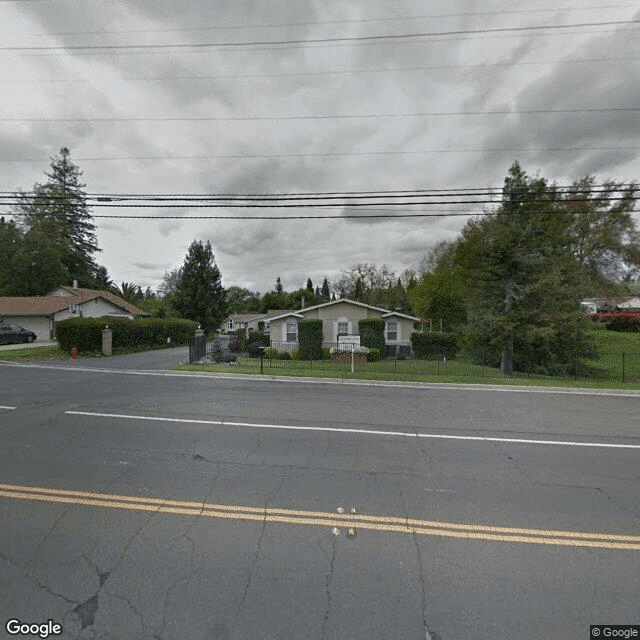
7125 Main Avenue, Orangevale, CA 95662
For more information about senior living options: (866) 208-4318
Chateau Claire Costs & Pricing
Chateau Claire offers competitive pricing for its private rooms at $3,500 per month, which is notably lower than the average rates in both Sacramento County and California as a whole. In comparison, private room costs in Sacramento County are approximately $186 higher, sitting at $3,686, while the state average surpasses that by an even greater margin at $3,939. This strategic pricing positions Chateau Claire as an attractive option for individuals seeking quality accommodations without the premium costs typically associated with the region.
| Floor plans | Chateau Claire | Sacramento County | California |
|---|---|---|---|
| Private | $3,500 | $3,686 | $3,939 |
Assisted Living communities with a similar price nearby
-
from -$500 / mo
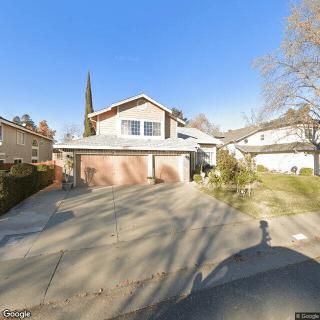
Afable Care Home
$3,000 to $3,500 / month9.2 miles away -
from +$650 / mo
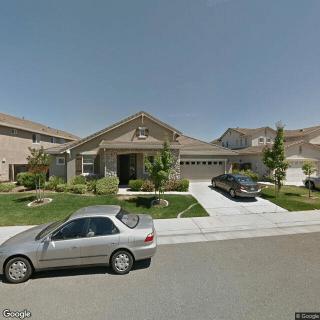
Ferrari
$4,150 to $5,500 / month12.7 miles away -
from -$500 / mo

Love & Care for Elder
$3,000 to $4,500 / month7.4 miles away -
from -$495 / mo

Hear Seniors
$3,005 to $3,870 / month9.7 miles away -
from +$500 / mo
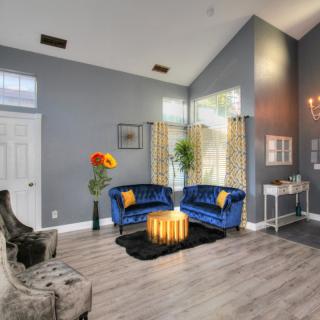
A Bright Future
$4,000 / month9.1 miles away
Overall Review of Chateau Claire
Pros
 Chateau Claire has been great.
- The staff at Chateau Claire are very friendly.
- The owner is very helpful and provides information when problems arise.
- They try to get residents to participate in activities, including painting.
- They help other residents participate in activities as well.
Cons
 The place sucks.
- The food is disgusting.
- The staff won't even eat there.
- The rooms are very small, especially in a shared room where there isn’t room to move.
- There were never any remotes for the two TVs.
- There was nothing to do except sit outside listening to music or watch cars go by.
- It is a horrible place.
- People should not place their loved ones there.
Review
Chateau Claire in Orangevale is best suited for families seeking a small, personally led assisted-living experience where staff warmth and owner accessibility are central. This community tends to work well for residents who need daily support, gentle encouragement to participate in light activities, and a hands-on approach to problem solving. The model appears to hinge on close interactions with a responsive owner and a stable caregiving team, rather than large-scale programming or abundant amenities. Those prioritizing a sense of home, predictable routines, and staff who will actively assist with memory-related challenges will find value here. Those needing expansive space or a high-energy activity calendar may want alternatives.
On the upside, reviews repeatedly note friendly staff and an owner who is easy to reach and helpful. The care team seems to make genuine efforts to engage residents in simple, meaningful pursuits like painting, and staff will facilitate participation for those who are hesitant. This is not a place where care is transactional; relationships matter, and that relational attention can provide steadiness for families dealing with memory decline. The occasional assistance in coordinating activities and supporting social interaction are meaningful positives that can offset some limitations in resources.
Yet the downside is substantial and cannot be dismissed. One review highlights cramped shared rooms that leave little room to maneuver a wheelchair, a fundamental concern for safety and comfort. Another observation points to very limited in-room entertainment beyond a couple of televisions without remotes, creating a sense of stagnation for residents who are not out in the courtyard or local area. Food quality is criticized as well, suggesting meals may be a recurring disappointment for residents and families who expect pleasurable dining as part of daily life. Overall, the bottleneck is a facility size and amenity gap that constrains quality of life relative to peers.
How these pros and cons shake out in decision-making hinges on priorities. For families prioritizing attentive, accessible leadership and warm staff interactions, Chateau Claire can deliver stability and kindness that are hard to replace. The owner’s willingness to offer information and rapid problem-solving can reduce anxiety for concerned relatives. The activity leaning, particularly around art, shows a capacity to engage residents without requiring complex programming. However, the same strengths do not fully compensate for the physical space constraints, limited in-room options, and inconsistent dining experience. If these elements top the list of must-haves, alternatives deserve close comparison.
To make a well-informed choice, ask pointed questions: Is there a plan to expand room options or create more private spaces? What is the current dining program, and are there alternate menus or accommodations for taste preferences? How often are remotes supplied and is there a resident council or activity coordinator who can develop more varied programs? What specific strategies exist for memory support and daily structure? Are there opportunities to customize a day with meaningful activities beyond painting, such as light exercise, music therapy, or outings? These specifics will reveal whether the positives are scalable.
Taken as a whole, Chateau Claire suits families seeking a caregiving environment framed by approachable leadership and a warm caregiver culture, where a resident’s dignity and participation can be nurtured. It is less well matched for families who insist on generous living space, robust dining experiences, and a broad, varied activity calendar. Alternatives in the Orangevale area with larger rooms, stronger meal programs, and more extensive activity options may provide a better alignment for those priorities. The decision should hinge on whether the priority is guaranteed personal attention and kindness, or whether space, cuisine, and diversity of engagement take precedence. In the right fit, Chateau Claire can be a true home.
 6 resident community capacity
 Assisted Living
 Board and Care Home
 Respite Care
 Cable or satellite TV
 Dining room
 Fully furnished
 Garden
 Housekeeping services
 Move-in coordination
 Outdoor space
 Private
 Telephone
 Wi-Fi/high-speed internet available
 Sacramento International (21 miles away)
 24-hour supervision
 Activities of daily living assistance
 Assistance with bathing
 Assistance with dressing
 Assistance with transfers
 Diabetes diet
 Meal preparation and service
 Medication management
 Special dietary restrictions
 Transportation arrangement (medical)
 Transportation to doctors appointments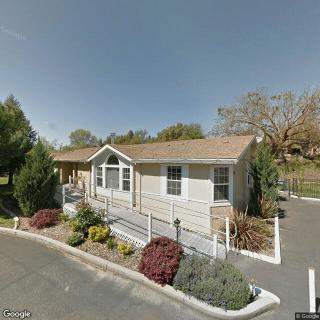

 Vibrant Senior Living: A Comprehensive Guide for Active Older Adults
 When to Transition from Assisted Living to Memory Care: Key Indicators, Steps, and Finding the Right Community
 Assisted Living and Memory Care: Understanding Their Core Differences