
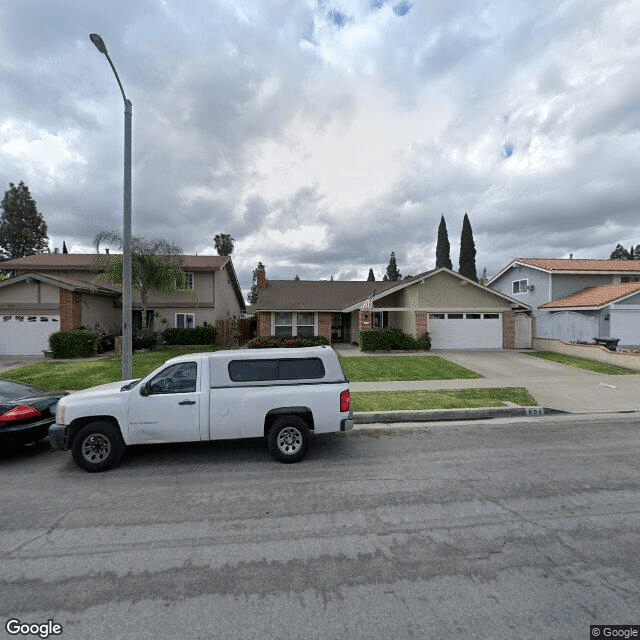
804 West Brentwood Avenue, Orange, CA 92865
To contact a resident: (714) 496-5862
For more information about senior living options: (866) 208-4318
Orange Villa Home Care Costs & Pricing
Orange Villa Home Care offers competitive pricing for its residential care services, with costs that are notably lower than both the county and state averages. For a semi-private room, residents pay $2,500 per month, which is significantly less than the average of $3,431 in Orange County and $3,333 across California. Similarly, for a private room, the monthly fee is set at $3,100 - again below the county average of $4,104 and the state average of $3,939. This positioning highlights Orange Villa as an attractive option for families seeking quality care while managing their budget effectively in Southern California.
| Floor plans | Orange Villa Home Care | Orange County | California |
|---|---|---|---|
| Semi-Private | $2,500 | $3,431 | $3,333 |
| Private | $3,100 | $4,104 | $3,939 |
Overall Review of Orange Villa Home Care
Pros
 The staff are nice and caring.
- They provide a homey and positive environment for residents.
- The home is kept clean and the food is homemade.
- The facility and caregivers are awesome.
- The owner is very nice and helpful.
- Communication with the staff is good.
- She receives more attention, and everything is clean and the staff are very loving.
- She has made an amazing recovery, attributed to the owner's care.
Cons
 The caretakers are not doing what is needed due to her needing 24-hour skilled nursing.
- They don’t do enough to help with her walking.
Review
Orange Villa Home Care in Orange, CA is best suited for families seeking a small, home-like care setting where daily companionship, warmth, and attentive, personalized support are prioritized over clinical, campus-style resources. The community succeeds in creating a feel of “home first” through a clean, comfortable environment, homemade meals, and caregivers who are described as loving and reliable. The most compelling signal is the strong, active involvement of the owner and staff in daily care, which translates into steady attention, quick problem-solving, and a sense that someone is watching over both medical and daily living needs with genuine dedication.
Those evaluating alternatives should note that this option may not fit every elder’s medical trajectory. If constant, around-the-clock skilled nursing, highly structured medical oversight, or intensive therapy services are non-negotiable, a larger, more clinical assisted living or a memory-care-focused community may be a better fit. The reviews consistently imply that while care is attentive, the home does not function as a full-service medical facility. Families dealing with complex medication regimens, frequent changes in clinical status, or the need for ongoing, 24/7 nursing supervision will likely want to explore venues with on-site licensed nursing and more expansive medical programming.
The strong positives here, homey atmosphere, cleanliness, and high-caliber interpersonal care, do more than merely soothe. They directly offset some of the key constraints by delivering reliable daily support, mealtime consistency with homemade food, and a level of access to the owner and caregiving team that often translates into quicker adjustments to changing needs. Residents report meaningful attention, better day-to-day interaction, and a sense of gratitude from families that the care team is not just performing tasks but really guiding daily life. The combination of a supportive staff and good communication also helps families feel confident in the continuity of care during transitions, such as moving from a hospital or hospice-alert situation to in-home-like supervision.
The main trade-off remains clear: a smaller, private operation can deliver remarkable personal attention, but it generally cannot substitute for full-time clinical nursing and more extensive rehabilitative services. While the staff has demonstrated capability, some families highlight hospice-related coordination and the owner’s hands-on approach, the absence of continuous, skilled nursing means medical oversight may lapse during off-hours or when medical complexity spikes. In practice, this translates to a strong option for stabilization, comfort, and daily living support, with the caveat that escalating medical needs require either external nursing support or a move to a facility designed for constant clinical care.
For families weighing decisions, key questions to address on visits are practical and concrete. Inquire about current staffing coverage during nights and weekends, the availability of an on-call registered nurse, and how medications are managed, dispensed, and reviewed. Clarify the level of medical oversight provided by the owner or any contracted clinicians, and whether hospice or palliative services can be seamlessly coordinated if a resident’s goals shift toward comfort care. Verify meal planning, dietary accommodations, activity options, and the degree of social engagement available on a typical day. Finally, obtain a transparent sense of costs, admission criteria, and policies for transitions should medical needs intensify.
Overall, Orange Villa Home Care offers a compelling, practical solution for families seeking a homelike, attentive environment with strong owner involvement and dependable daily care. It is particularly well-suited for elders who prioritize personal warmth, cleanliness, consistent meals, and meaningful daily attention, without the expectation of 24/7 nursing or advanced rehabilitation services. For a resident whose condition is stable, or improving under daily care and supportive hospice collaboration, this community often proves transformative. For those facing constant medical complexity or the need for daily clinical therapies, however, it is prudent to explore alternatives that can deliver around-the-clock nursing and broader medical programming.
 6 resident community capacity
 Assisted Living
 Board and Care Home
 Cats allowed
 Dogs allowed
 Cable or satellite TV
 Dining room
 Fully furnished
 Garden
 Housekeeping services
 Move-in coordination
 Outdoor space
 Private
 Private bathrooms
 Telephone
 Wi-Fi/high-speed internet available
 John Wayne Orange Co (11 miles away)
 24-hour supervision
 Activities of daily living assistance
 Ambulatory care
 Assistance with bathing
 Assistance with dressing
 Assistance with transfers
 Diabetes diet
 High acuity care
 Meal preparation and service
 Medication management
 Special dietary restrictions
 Transportation arrangement (medical)
 Transportation to doctors appointments
 Christian services



 Beyond the Bingo Hall: 50+ Enriching Activities for Seniors in Assisted Living
 Understanding the Distinctions: Assisted Living and Memory Care Explained
 Guiding Elderly Parents Who Refuse Assisted Living: 6 Practical Steps