
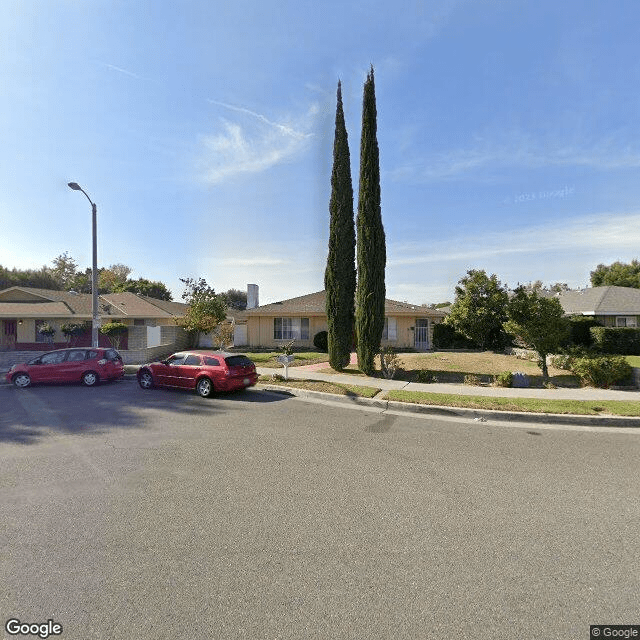
2702 N. Berkeley St., Orange, CA 92865
To contact a resident: (714) 283-2861
For more information about senior living options: (866) 208-4318
Berkeley Home I Costs & Pricing
At Berkeley Home I, the cost for a semi-private room is notably more affordable at $1,700 per month compared to the average rates in Orange County and across California, which stand at $3,431 and $3,333 respectively. This pricing demonstrates a significant savings of over $1,700 when choosing Berkeley Home I for care. The competitive rate not only highlights the value offered by this facility but also positions it as an attractive option for individuals seeking quality care without the financial strain often associated with similar services in the region.
| Floor plans | Berkeley Home I | Orange County | California |
|---|---|---|---|
| Semi-Private | $1,700 | $3,431 | $3,333 |
Senior living communities with a similar price nearby
-
from +$300 / mo
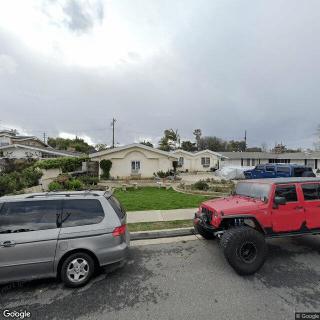
John Villa's Home Care
$2,000 to $3,000 / month11.9 miles away -
from +$100 / mo
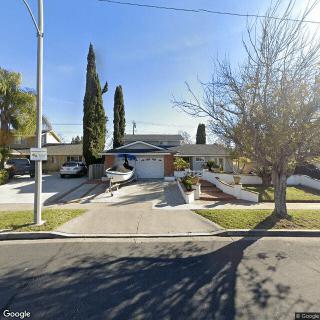
Paradise Residential Senior Care 2
$1,800 / month18.1 miles away -
from +$300 / mo

Tuscany Senior Living
$2,000 to $2,500 / month17.2 miles away -
from +$300 / mo
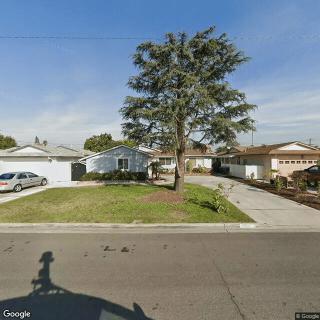
Angel's Care Guest Home
$2,000 to $3,000 / month5.2 miles away -
from +$300 / mo
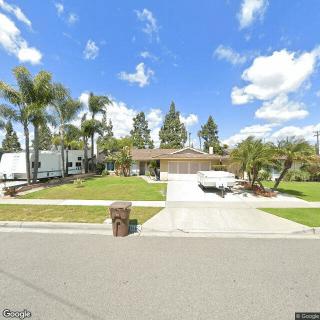
Tess Loving Home
$2,000 to $2,500 / month0.9 miles away
Overall Review of Berkeley Home I
Pros
 The facility is clean.
- Stepped care is offered as part of the care options.
- Private care is available for those who want it.
Cons
 Shared care costs over $1,800 plus stepped care, which is expensive.
- Private care costs around $3,200 plus stepped care, which is unaffordable.
- It is not an option at this point.
- Cats are not allowed unless private care is chosen.
- The review notes that residents are much sicker.
Review
Berkeley Home I in Orange, CA is best suited for families seeking affordable, higher-acuity assisted living where residents require significant daily support and care plans can scale up as needs grow. The community tends to house residents with medical and functional needs that exceed typical assisted-living levels, and the care model is built around stepped care that adjusts with the resident’s trajectory. For families comfortable with shared accommodations and the transparency of a tiered pricing structure, this facility can deliver steady, dependable assistance without the premium price tag attached to private rooms. Those who insist on private space or a pet-friendly shared setting should look elsewhere, as neither option is reliably available here.
Alternatives to consider include communities that guarantee immediate access to private rooms or explicitly permit pets in shared settings. For residents who do not yet require intensive supervision or who crave more independence, facilities with lower acuity populations may offer a better long-term fit. Families prioritizing privacy or the companionship of a pet in daily life will likely prefer options that allow private rooms or pet-friendly policies. If private rooms become available later, it’s essential to confirm realistic timelines and any waiting lists, so budget expectations remain aligned with practical access.
The core strengths lie in a clean, well-maintained environment and a resident population accustomed to substantial care. A facility that consistently serves sicker residents benefits from staff with experience managing complex needs, including medication administration and mobility assistance. The stepped-care model holds appeal for households seeking cost control: start with shared care and escalate only as clinical needs justify it. In practice, this can translate to meaningful savings while preserving access to 24-hour supervision and responsive staff. Yet the upside depends on reliable access to higher levels of care when required, which must be verified through staffing patterns and emergency protocols.
On the downside, the most salient drawbacks are structural rather than cosmetic. The absence of current private-room options and the pet policy in shared settings are meaningful barriers for many families. For those who value quiet, privacy, or a pet’s companionship, Berkeley Home I represents a mismatch. More critically, the “stepped care” framework can unleash escalating costs if needs rise unexpectedly; the absence of a clear, predictable ceiling means families should demand explicit, written triggers for price increases and a detailed breakdown of what services are included at each tier.
Practical due diligence is essential before committing. Prospective residents should obtain a precise assessment of current care needs and request concrete care plans, along with staffing ratios and response-time benchmarks for urgent situations. Tours should evaluate sanitation, dining options, activity programming, mobility support, and access to on-site medical oversight. Clarify whether memory care or dementia support exists, and how transportation to appointments is managed. Finally, verify the status of private-room availability, including any wait times and criteria, to determine whether the current roadmap aligns with the resident’s privacy and personal preferences.
Overall, Berkeley Home I emerges as a viable option for families who need steady, affordable access to substantial daily care in a clean setting and are comfortable with shared accommodations and a tiered care approach. It is considerably less suitable for those demanding private space or a pet-friendly arrangement within a shared environment. When evaluating choices, priority should be given to private-room availability, pet policies, and the predictability of care levels and charges. The final decision should hinge on the resident’s care needs, privacy priorities, and budget tolerance for potential care escalation over time.
 Board and Care Home
 John Wayne Orange Co (11 miles away)
 Diabetic care


 California's Form 602A: An In-Depth Examination of Senior Care Assessment
 Comprehensive Look at Senior Blood Pressure Charts: Normal and Elevated Levels by Age
 Top Canine Companions for Older Adults