Piedmont Gardens in Oakland, CA

Save

  • Interior

    A cozy library reading room with shelves of books and a table with chairs.
  • Outdoors

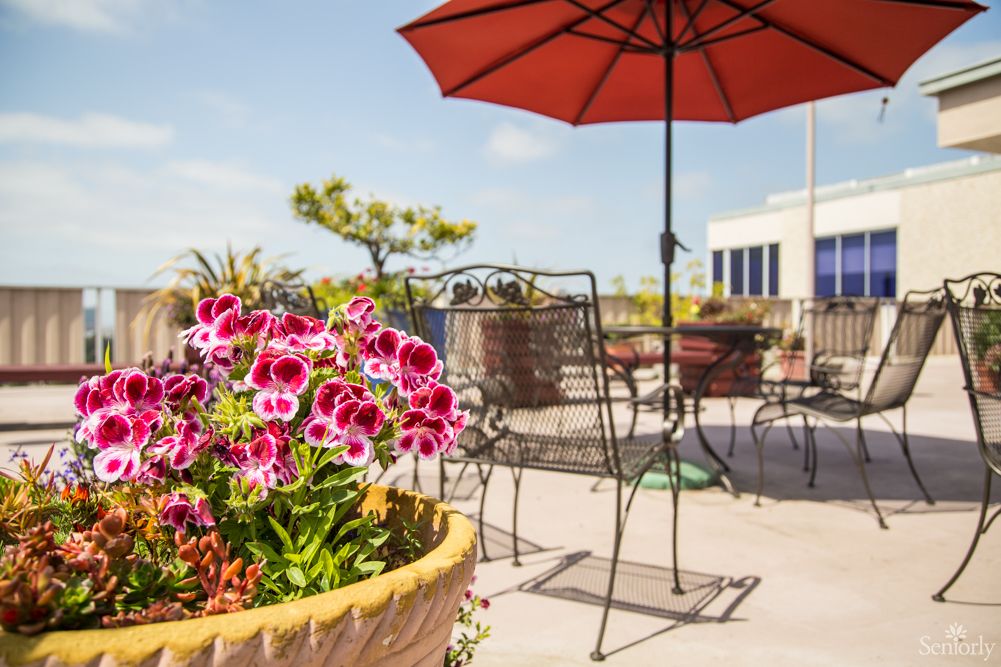
    A vibrant rooftop garden filled with colorful flowers and greenery.
  • Decor

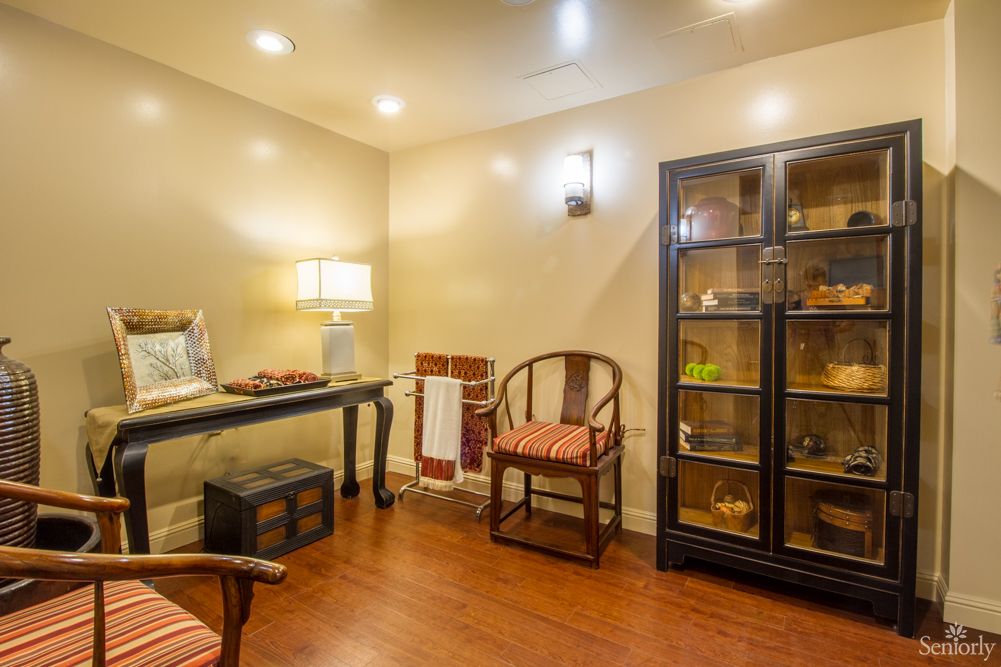
    Cozy room interior with warm lighting, featuring chairs and a display cabinet.
  • Living Room

    A cozy living room with red sofas and large windows offering a city view.
  • Building

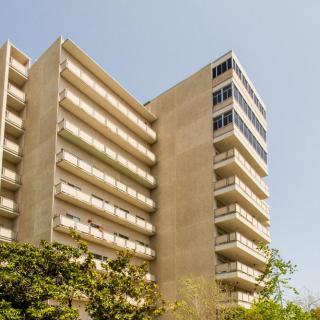
    A modern apartment building with multiple balconies under a clear sky.
  • Trees

    A scenic view of a city skyline under a partly cloudy sky.
  • Windows

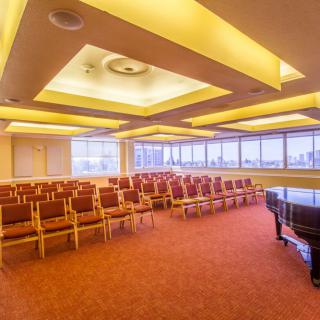
    A spacious conference room with rows of seating, featuring a grand piano and large windows showcasing a cityscape.
  • Dining

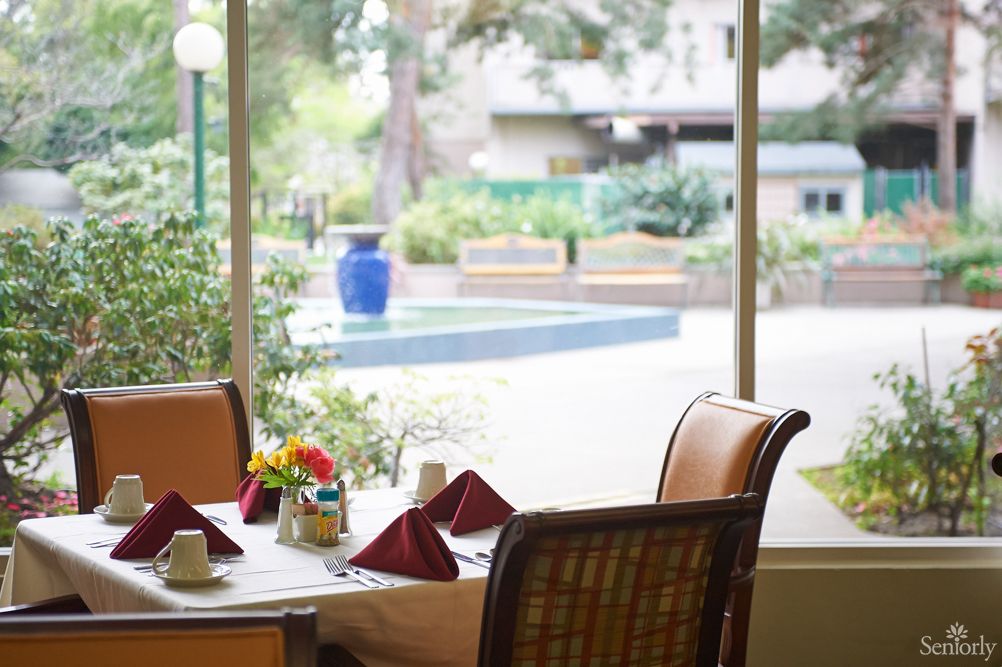
    A cozy restaurant dining area with a beautifully set table and a window view of the outdoors.
  • Landscaping

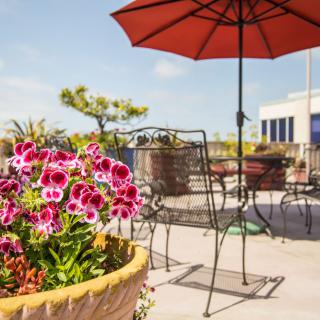
    A sunny patio with colorful flowers and shaded seating.
  • Kitchen

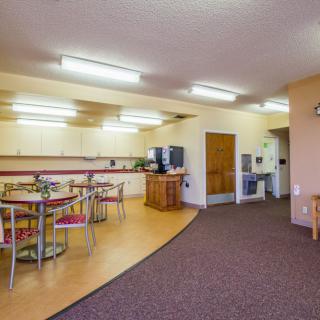
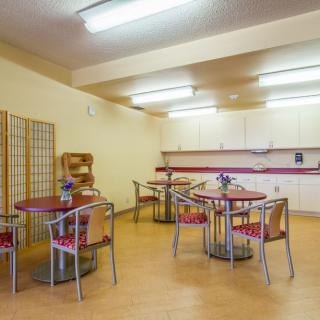
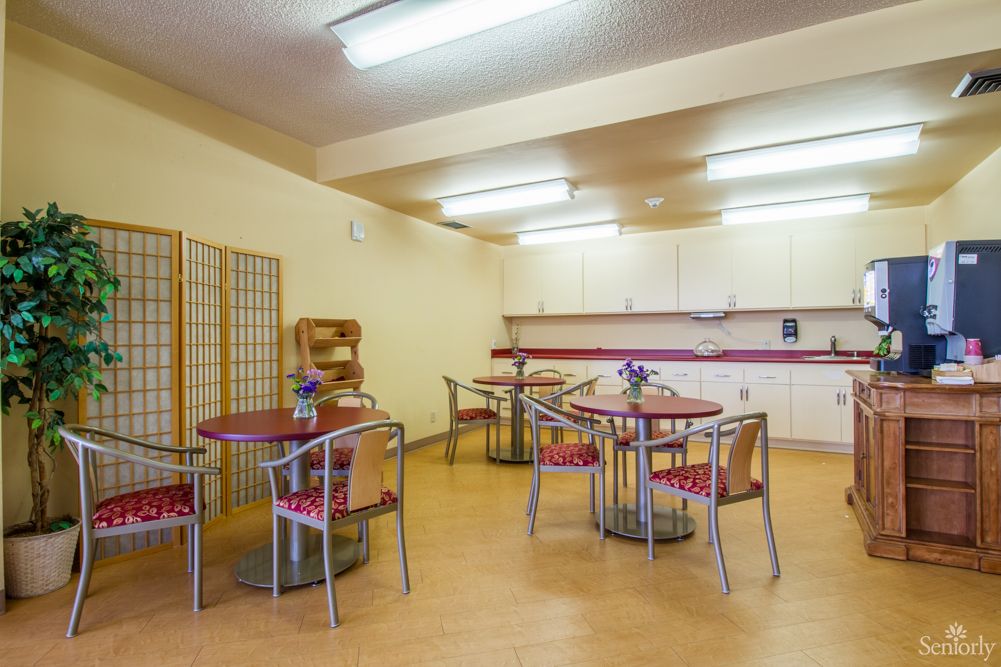
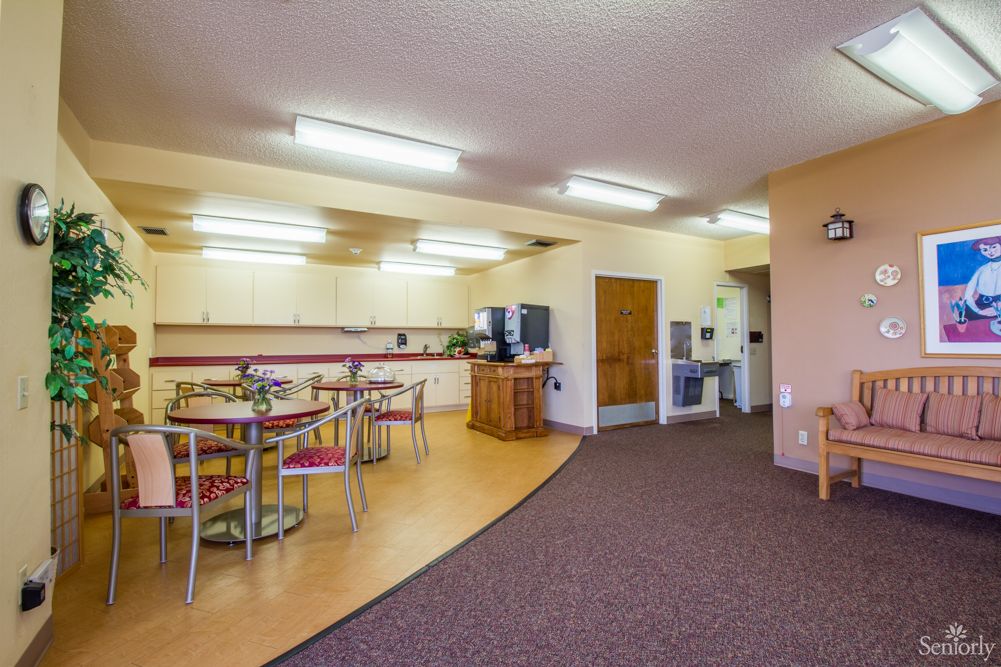
    A spacious kitchen and dining area with modern appliances and ample seating.
  • Lighting

    A spacious kitchen and dining area with modern furniture and bright lighting.
  • Garden

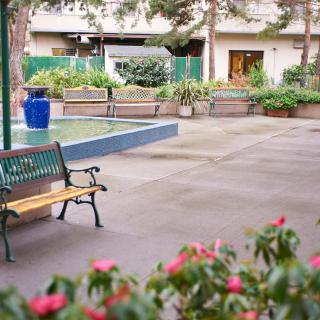
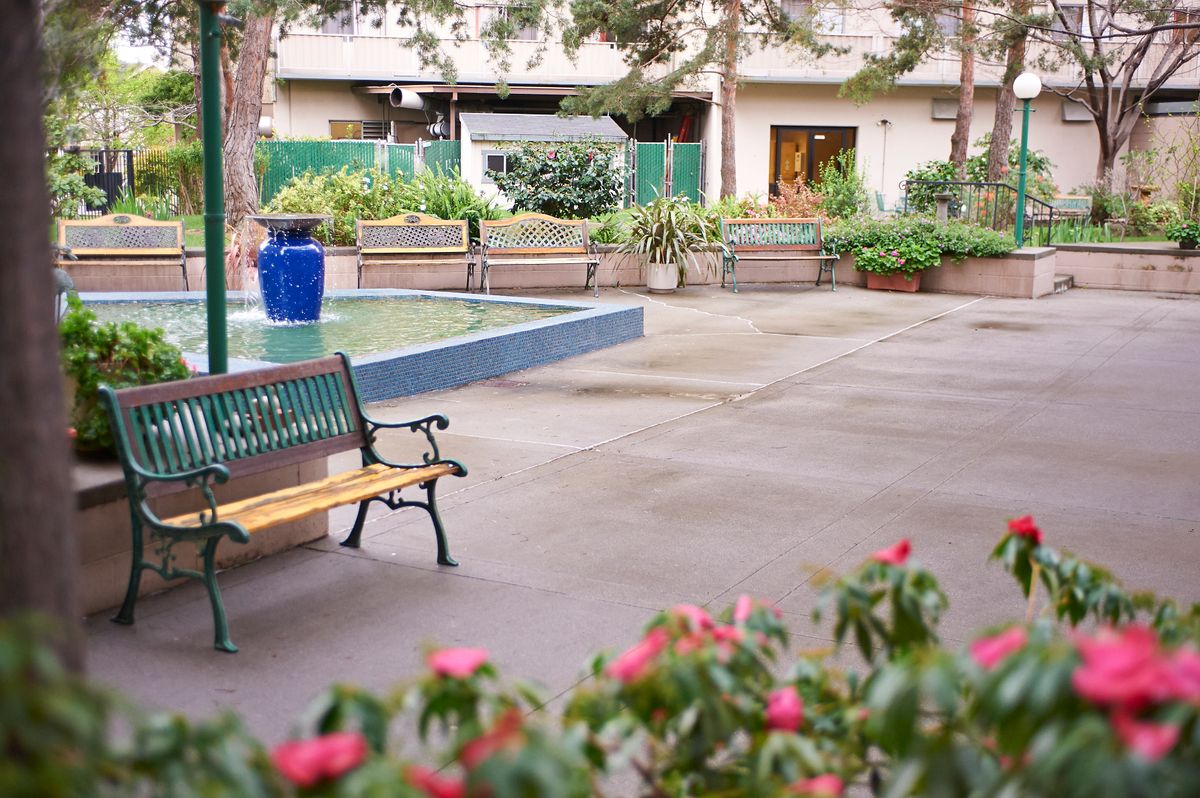
    A peaceful urban garden with benches, a fountain, and blooming flowers.
  • Artwork

    A warmly lit lobby area with comfortable seating and a fireplace.
  • Seating Area

    A spacious community room with multiple chairs arranged in a circular formation, featuring large windows that allow natural light to fill the space.

Piedmont Gardens in Oakland, CA

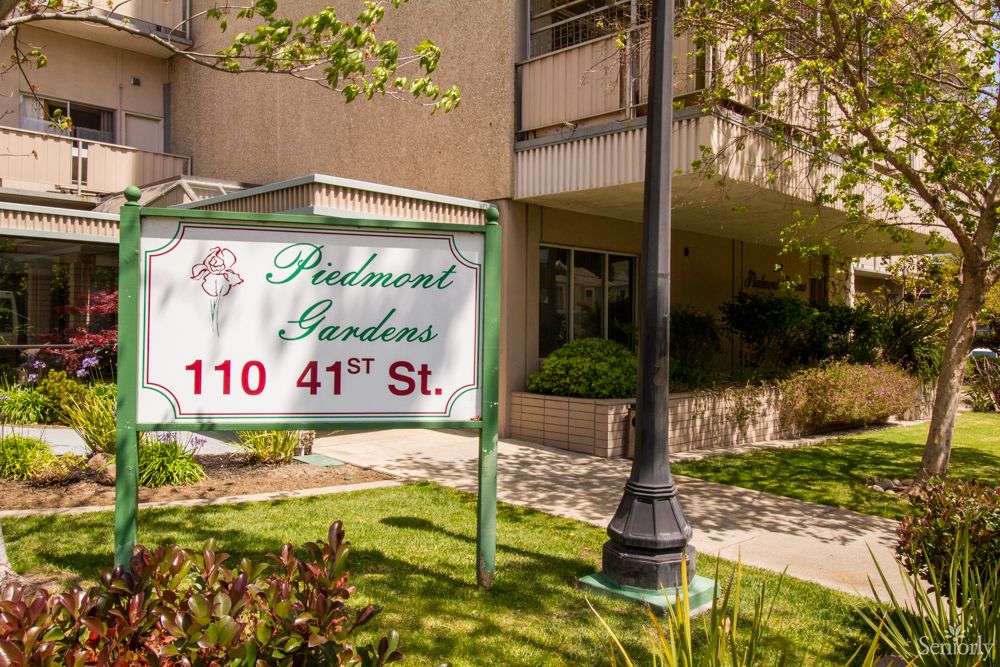
110 41st Street, Oakland, CA 94611

For more information about senior living options: (844) 490-3973

4.4 from 83 reviews
5 stars
55
4 stars
16
3 stars
5
2 stars
2
1 stars
5

Assisted Living Continuing Care Retirement Community (CCRC) Independent Living Memory Care Respite Care Skilled Nursing Facility

Piedmont Gardens Costs & Pricing

Piedmont Gardens offers a compelling value when compared to the broader costs of living in Contra Costa County and the state of California. For instance, their studio apartments are priced between $3,100 and $3,200, significantly lower than the county's average of $4,358 and California's average of $4,145. Similarly, the one-bedroom units at Piedmont Gardens are available for $3,754, again providing a more affordable option compared to Contra Costa County's average of $5,008 and the state's figure of $4,340. The two-bedroom options at Piedmont Gardens are priced at $6,158 which remains competitive against the county's average of $6,208 and far more attractive than California's average of $5,270. Overall, Piedmont Gardens stands out as an economical choice for residents seeking quality accommodations without exceeding financial limits.

Floor plansPiedmont GardensContra Costa CountyCalifornia
Studio$3,100 to $3,200$4,358$4,145
1 Bedroom$3,754$5,008$4,340
2 Bedrooms$6,158$6,208$5,270

What level of care are you interested in?

Assisted Living

Memory Care

Independent Living

Skilled Nursing Facility

Continuing Care Retirement Community (CCRC)CCRC

Other


Request a tour at Piedmont Gardens

    Overall Review of Piedmont Gardens

    Pros

    • pro Piedmont Gardens is described as a world-class facility with excellent staff and services.
    • pro It is a welcoming, friendly community of interesting people from around the world, with spacious, light-filled apartments and nice views.
    • pro The staff are consistently described as helpful, professional, patient, and caring toward residents.
    • pro The dining program offers tasty, varied meals with fresh vegetables and fruit, and generous portions.
    • pro The location is ideal, situated in a vibrant urban neighborhood close to shopping, restaurants, and entertainment.
    • pro Residents feel safe and well cared for, thanks to high-quality nursing, CNAs, therapists, and support staff.
    • pro The management and administration are perceived as dedicated to improving care and maintaining a respectful, responsive environment.

    Cons

    • pro One reviewer asserts racial discrimination by staff at Piedmont Gardens.
    • pro A reviewer describes the facility as "the Motel 8 at Ritz Carlton prices," implying poor value for money.
    • pro It is noted that there is no visitor parking, making visits difficult.
    • pro There are claims that the staff are understaffed, underqualified, undertrained, and under-budgeted, undermining care quality.
    • pro The dining is described as fair and institutional, not up to home-cooked standards.
    • pro The building is described as old and bland, lacking personality.
    • pro One reviewer contends that Piedmont Gardens contributed to a resident's death, urging others to avoid it.
    • pro A reviewer notes that the supervisor's response to concerns about discrimination was unsatisfactory.

    Review

    Piedmont Gardens is best suited for active seniors who want an urban, connected lifestyle with a built-in care continuum. The community serves residents who expect to remain on one campus as their needs evolve - from independent living to assisted living and skilled nursing - so relocation is minimized. It appeals to those who prize a lively, diverse resident body, meaningful social programming, and convenient access to Piedmont Avenue's shops, eateries, and cultural offerings. For someone who values intellectual stimulation, abundant activities, and genuine interactions with both peers and attentive staff, this campus delivers a compelling, village-like experience where the next step in care is readily available without leaving the neighborhood.

    That said, certain profiles may want to explore alternatives. The campus carries a premium price tag, and several reviews flag cost as a critical consideration for independent living residents. If budget control is paramount, or if the plan is to prioritize the most economical option in town, other communities may offer a lower-cost entry. Prospective residents who demand an exceptionally uniform experience with flawless operational track records in every department should scrutinize recent performance details, given occasional concerns voiced about staffing, consistency in medical orders, and the handling of specific incidents. Finally, visitors who require easy, abundant guest parking and straightforward entry logistics should evaluate current parking and traffic conditions against competing campuses with broader guest-access options.

    The strongest positives revolve around people and purpose. Residents consistently highlight the caliber of the staff and the warmth of interactions, describing the culture as resident-centered and genuinely welcoming. The breadth of programming - ranging from music and discussion groups to fitness and cultural outings - creates continuous opportunities to contribute skills, form friendships, and stay intellectually and physically engaged. The location adds intrinsic value: a walkable setting with nearby restaurants, theaters, and services, plus the security of a campus that maintains clear access controls. The care continuum itself is a standout asset, delivering familiar relationships and coordinated services across independent living, assisted living, and skilled nursing, which minimizes disruptive transitions for families and residents alike.

    Yet the campus is not without drawbacks. Parking for visitors can be tight, and occasional elevator and access challenges on a multi-story building can complicate quick visits or daily routines. Some reports hint at tensions between administration and families over communication and responsiveness, and there are longstanding cautions from a minority of residents and families about staffing levels in certain care tiers or about the consistency of care plans being followed. Food quality in independent living has been described as fair to ordinary by some, and there are recurring reminders that, as a cost-heavy campus, expectations for premium service come with higher price tags. While most reviews praise the overall environment, these operational and logistical friction points warrant careful due diligence.

    The offsetting strengths are meaningful. The continuum of care on a single campus reduces frightening relocations and provides continuity of relationships - an essential factor for seniors who value predictability and trust. The community's sense of belonging - driven by engaged residents, reputable therapy teams, and attentive dining and activities staff - translates into high satisfaction for many, with rehab and recovery narratives consistently positive and supporting independent living residents who later need skilled care. Leadership changes have been associated with improvements in some domains (notably dining and resident services), and the security and layout of the campus support a safe, accessible living environment. When these strengths align with individual priorities - community, culture, and a path to aging in place - the pros effectively offset the notable drawbacks.

    For families weighing a decision, Piedmont Gardens offers a pragmatic path forward. It stands out for those who value a vibrant, intellectually engaged community and a seamless continuum of care on a walkable, urban campus. It remains a compelling option for residents who expect lively social life, robust programming, and reliable, if imperfect, service from a responsive staff. However, for households prioritizing low cost, hassle-free guest access, or a faultless track record in every operational aspect, alternatives should be compared. A disciplined due diligence process is essential: arrange in-depth tours, verify the status of elevators and parking, sample the dining experience, speak candidly with current residents about access and care, and request a transparent briefing on the latest QA and complaint history. This approach ensures the choice aligns with both present needs and future care expectations.

    Features

    Housing

    • 321 resident community capacity 321 resident community capacity
    • 1-bedroom apartments 1-bedroom apartments1-bedroom apartments are important for seniors because they provide a sense of independence, privacy, and autonomy while still offering the necessary space for comfortable living. These apartments allow seniors to maintain their own personal space and lifestyle preferences in a supportive community setting.
    • 2-bedroom apartments 2-bedroom apartments2-bedroom apartments are important for seniors because they provide extra space for guests, hobbies, and caregivers, as well as potential for additional income through roommates or rental.
    • Studio apartments Studio apartmentsStudio apartments are important for seniors because they offer a smaller, more manageable living space that is easier to navigate and maintain as physical abilities decline. Additionally, studio apartments provide seniors with independence and privacy while still being part of a community that offers support and social opportunities.

    Types of Care

    • Assisted Living Assisted LivingAssisted living facilities provide crucial support and care for seniors who may need help with daily tasks such as medication management, bathing, and meal preparation. These communities offer a safe and comfortable environment where seniors can maintain their independence while receiving the assistance they need to thrive in their golden years.
    • Continuing Care Retirement Community (CCRC) Continuing Care Retirement Community (CCRC)Continuing Care Retirement Communities (CCRCs) are important for seniors because they provide a range of housing options and care services all in one location. This allows seniors to age in place and receive the level of care they need as their health changes, without having to move to a new facility. CCRCs provide a sense of security and peace of mind for seniors and their families, knowing that they will be taken care of no matter what the future holds.
    • Independent Living Independent LivingIndependent living communities are important for seniors because they offer a safe and supportive environment where older adults can live independently while still having access to amenities and services that enhance their quality of life. These communities provide social opportunities, recreational activities, and assistance with daily tasks, promoting overall well-being and allowing seniors to maintain their independence for as long as possible.
    • Memory Care Memory CareMemory care is crucial for seniors as it provides specialized support and services for individuals with dementia or Alzheimer's disease. These programs offer a safe and secure environment where residents receive personalized care, cognitive stimulation, and help with daily activities. Memory care helps seniors maintain their independence, quality of life, and dignity while also providing peace of mind for their families.
    • Respite Care Respite CareRespite care provides temporary relief for caregivers, allowing them to recharge and attend to their own needs. It also gives seniors the opportunity to socialize, receive professional care, and experience a change of scenery, promoting overall well-being and reducing feelings of isolation.
    • Skilled Nursing Facility Skilled Nursing FacilitySkilled Nursing Facilities are crucial for seniors as they provide round-the-clock medical care, rehabilitation services, and assistance with daily activities. These facilities ensure that seniors receive the specialized care they need to maintain their health and well-being as they age.

    Pets

    • Cats allowed Cats allowed"Pet friendly" senior living communities are important for seniors because pets provide companionship, reduce feelings of loneliness and depression, promote physical activity and mental stimulation, and offer a sense of purpose and responsibility. Pets can improve overall well-being and quality of life for seniors in many ways.
    • Dogs allowed Dogs allowed"Pet friendly" senior living communities are important for seniors because pets provide companionship, reduce feelings of loneliness and depression, promote physical activity and mental stimulation, and offer a sense of purpose and responsibility. Pets can improve overall well-being and quality of life for seniors in many ways.

    Amenities

    • Activities off-site Activities off-siteEngaging in off-site activities is crucial for seniors to maintain social connections, stay active, and stimulate their minds. It promotes overall well-being and helps combat feelings of isolation and loneliness.
    • Activities on-site Activities on-siteActivities on-site are important for seniors because they provide opportunities for socialization, mental stimulation, physical activity, and overall well-being. Engaging in activities can help seniors stay active, maintain their independence, and improve their quality of life.
    • Air-conditioning Air-conditioningAir conditioning is important for seniors as they are more vulnerable to heat-related illnesses and may have underlying health conditions that make it difficult for them to regulate their body temperature. It helps to keep them comfortable, safe, and healthy in hot weather.
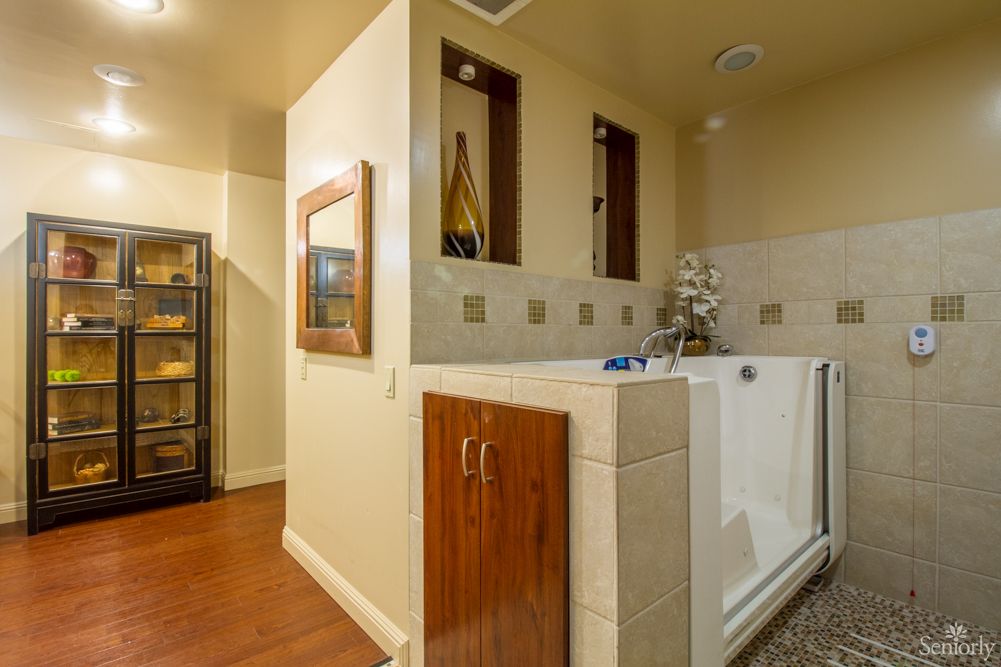
    • Bath tubs Bath tubsBath tubs are important for seniors because they provide a safe and relaxing way to bathe, helping to prevent slips and falls while promoting independence and overall well-being.
    • Beautician on-site Beautician on-siteHaving a beautician on-site at a senior living community is important for seniors as it allows them to easily access grooming and personal care services, boosting their self-esteem and overall well-being. It also provides convenience and helps seniors maintain their sense of independence and personal style.
    • Beauty salon Beauty salonBeauty salons are important for seniors because they provide a space for them to feel pampered, socialize, and maintain their personal grooming and hygiene. Regular visits to a beauty salon can help boost seniors' self-esteem and overall well-being.
    • Cable or satellite TV Cable or satellite TVCable or satellite TV is important for seniors because it provides entertainment, news, and companionship, helping to combat loneliness and boredom. It also offers a wide range of programming options tailored to different interests and preferences.
    • Computer center Computer centerA computer center is essential for seniors as it provides access to technology, communication tools, and resources that can enhance their daily lives. It allows them to stay connected with loved ones, engage in online activities, and learn new skills, ultimately promoting socialization and mental stimulation.
    • Continuing learning programs Continuing learning programsContinuing learning programs are important for seniors to keep their minds active, maintain cognitive function, and prevent mental decline. These programs also provide social interaction, a sense of purpose, and opportunities for personal growth and fulfillment in their later years.
    • Devotional services off-site Devotional services off-siteDevotional services off-site are important for seniors as they provide spiritual nourishment, social engagement, and a sense of community outside of the senior living facility. This can enhance overall well-being and help combat feelings of isolation and loneliness often experienced by older adults.
    • Devotional services on-site Devotional services on-siteDevotional services on-site provide seniors with spiritual support and a sense of community, as well as an opportunity for reflection and guidance during their senior living experience. This can promote emotional well-being and connection to others, leading to a more fulfilling and enriching lifestyle in their later years.
    • Dining room Dining roomDining rooms are important for seniors as they provide a space for socialization, connection, and nutritious meals. They offer opportunities for residents to bond over shared meals, foster a sense of community, and promote healthy eating habits. Dining rooms also ensure that seniors have access to well-balanced meals tailored to their dietary needs and preferences.
    • Financing advice Financing adviceFinancing advice is crucial for seniors as they navigate the complexities of retirement planning, including managing fixed incomes, healthcare costs, and potential long-term care needs. Proper financial guidance can help ensure seniors maintain financial stability and security in their golden years.
    • Fitness room Fitness roomHaving a fitness room in a senior living community is essential for seniors to stay active, maintain their physical health, and improve their overall well-being. Regular exercise can help prevent falls, reduce the risk of chronic diseases, and promote mental sharpness. It also provides social opportunities for residents to connect with others and enjoy a sense of community.
    • Full kitchen Full kitchenHaving a full kitchen in a senior living facility is important for seniors because it allows them to maintain their independence and prepare their own meals. This promotes healthy eating habits, saves money on dining out, and provides a sense of familiarity and comfort for residents.
    • Fully furnished Fully furnishedFully furnished senior living communities are important for seniors because they provide convenience, comfort, and a hassle-free moving experience. Seniors can easily settle into their new living space without the stress of having to buy and move furniture. This allows them to focus on enjoying their new home and community.
    • Gaming room Gaming roomGaming rooms are important for seniors as they provide a fun and engaging environment for socializing, cognitive stimulation, and physical activity. Games can improve memory, problem-solving skills, and overall mental well-being while fostering friendships and reducing feelings of isolation.
    • Garden GardenGardens are important for seniors as they provide a peaceful and therapeutic environment for relaxation, physical activity, and socialization. Being in nature has been shown to reduce stress, improve mood, and promote overall well-being. Gardens also offer opportunities for seniors to engage in gardening activities, which can improve mobility, flexibility, and cognitive function. Additionally, gardens create a sense of community and connection with others who share a passion for plants and outdoor spaces.
    • Guasts at mealtime Guasts at mealtime"Guests at mealtime" offer seniors the opportunity for social interaction, companionship, and a sense of community during meals, which can help combat feelings of loneliness and isolation commonly experienced in senior living environments. It can also enhance their overall dining experience and improve their mental and emotional well-being.
    • Housekeeping services Housekeeping servicesHousekeeping services are important for seniors because they help maintain a clean and safe living environment, promote independence, and reduce the risk of accidents or illnesses. Additionally, having assistance with household chores can alleviate physical strain and allow seniors to focus on other aspects of their well-being.
    • Indoor common areas Indoor common areasIndoor common areas are crucial for seniors as they provide a space for socialization, recreation, and community engagement, promoting overall well-being and reducing feelings of isolation and loneliness.
    • Kitchenette KitchenetteKitchenettes are important for seniors living in senior living communities because they provide the convenience and independence of being able to prepare simple meals and snacks in the comfort of their own living space. This can help promote a sense of autonomy and well-being for seniors, allowing them to maintain some level of control over their dietary choices and daily routines.
    • Laundry LaundryLaundry services are important for seniors as they may have difficulty with physical tasks such as bending, lifting, or carrying heavy loads. Having access to laundry services can help seniors maintain personal hygiene, cleanliness, and independence in their daily lives.
    • Move-in coordination Move-in coordinationMove-in coordination is important for seniors because it helps ease the transition into their new living environment. It ensures that all logistics, such as packing, organizing movers, and setting up utilities are taken care of, allowing seniors to focus on settling in and adjusting to their new home. Having a smooth move-in process can alleviate stress and anxiety, making the transition smoother and more enjoyable for seniors.
    • Outdoor common areas Outdoor common areasOutdoor common areas are important for seniors as they provide a space for socialization, physical activity, and relaxation. Being outside in nature can improve mood and overall well-being, while also encouraging movement and engagement with others. These spaces can help combat feelings of isolation and promote a sense of community among residents.
    • Outdoor space Outdoor spaceOutdoor spaces are important for seniors as they provide opportunities for physical activity, social interaction, exposure to natural light and fresh air, and a sense of connection to nature. Having access to outdoor spaces can improve overall well-being and quality of life for older adults living in senior communities.
    • Private bathrooms Private bathroomsPrivate bathrooms are important for seniors in senior living communities because they provide independence, dignity, and comfort. Having a private bathroom allows seniors to maintain their personal hygiene routines without the need for assistance, promoting a sense of autonomy and privacy. Additionally, private bathrooms help prevent the spread of infections and provide a safe and clean environment for seniors to navigate safely.
    • Resident parking Resident parkingResident parking is crucial for seniors in a senior living community as it provides convenience, accessibility, and safety for residents who may have limited mobility or rely on personal vehicles for transportation. Having designated parking spaces ensures that seniors can easily access their homes without having to walk long distances or navigate crowded parking lots, ultimately enhancing their overall quality of life and sense of independence.
    • Respite or short term stays offered Respite or short term stays offeredRespite or short term stays provide seniors with a temporary solution when their regular caregiver is unavailable, offering them the opportunity to receive additional care and support during times of need, while also giving caregivers a chance to rest and recharge.
    • Restaurant-style dining Restaurant-style diningRestaurant-style dining is important for seniors because it allows them to enjoy delicious, nutritious meals in a social and upscale setting. This enhances their dining experience, promotes healthy eating habits, and fosters socialization with fellow residents, ultimately contributing to their overall well-being and quality of life.
    • Small library Small librarySmall libraries are important for seniors as they provide access to a variety of reading materials, including books, newspapers, and magazines. This can help stimulate their minds, keep them engaged, and provide a sense of community through book clubs and other social activities. Additionally, reading has been shown to improve cognitive function and overall mental well-being in older adults.
    • Telephone TelephoneTelephones are important for seniors as they provide a lifeline for communication with loved ones, emergency services, and healthcare providers. They offer a sense of security and independence, enabling seniors to stay connected and access assistance when needed.
    • VA Benefits Consultation VA Benefits ConsultationVA Benefits Consultations are important for seniors because they provide valuable information on the benefits and resources available to them as veterans. These consultations can help seniors access financial assistance, healthcare services, and other support that can greatly improve their quality of life in their later years.
    • Wellness center Wellness centerWellness centers are important for seniors because they offer a variety of programs and services that promote physical, mental, and emotional well-being. These centers provide opportunities for exercise, socialization, education, and relaxation, helping seniors maintain their overall health and quality of life.
    • Wheelchair accessible showers Wheelchair accessible showersWheelchair accessible showers are crucial for seniors as they provide a safe and independent bathing option for those with mobility challenges. These showers help prevent falls and allow seniors to maintain their dignity and autonomy while ensuring they can bathe comfortably.
    • Wi-Fi/high-speed internet available Wi-Fi/high-speed internet availableWi-Fi/high-speed internet is important for seniors to stay connected with loved ones, access online resources, and participate in virtual activities to combat feelings of loneliness and isolation. It also allows them to easily manage healthcare needs, access entertainment, and engage in lifelong learning opportunities.

    Transportation

    • Metropolitan Oakland International (7 miles away) Metropolitan Oakland International (7 miles away)
    • San Francisco International (16 miles away) San Francisco International (16 miles away)
    • Community operated transportation Community operated transportationCommunity operated transportation is crucial for seniors as it provides them with the means to access essential services, social activities, and medical appointments. It allows seniors to maintain their independence and quality of life by ensuring they can participate in activities outside of their homes. Additionally, community-operated transportation services offer a safe and reliable way for seniors to travel without having to rely on family or friends for assistance.
    • Transportation & parking Transportation & parkingTransportation and parking are vital for seniors as they offer access to essential services, activities, and social interactions. Reliable transportation options can help seniors maintain independence, stay connected within their community, and enjoy a higher quality of life. Additionally, convenient parking facilities ensure that seniors can easily access necessary resources and amenities without added stress or difficulty.
    • Transportation arrangement Transportation arrangementTransportation arrangements are crucial for seniors as they may face challenges with driving, mobility, or access to public transportation. Having reliable transportation services ensures that seniors can easily attend appointments, social activities, and maintain their independence and quality of life.
    • Transportation arrangement (non-medical) Transportation arrangement (non-medical)Transportation arrangements are essential for seniors as they provide access to essential services, activities, and social interactions outside the home. This service helps maintain independence, mobility, and overall well-being for seniors who may have limited transportation options.

    Care Services

    • 24-hour call system 24-hour call system24-hour call systems are important for seniors because they provide peace of mind and immediate assistance in case of emergencies. This technology ensures that help is always available, promoting safety and security for elderly individuals living alone or in assisted living facilities.
    • 24-hour nursing 24-hour nursing24-hour nursing is important for seniors because it provides round-the-clock medical care and support, ensuring their health and safety are consistently monitored and attended to. This level of care can help prevent emergencies, manage chronic conditions, and provide peace of mind for both seniors and their families.
    • 24-hour supervision 24-hour supervision24-hour supervision is important for seniors to ensure their safety, well-being, and access to immediate assistance in case of emergencies or health issues. This constant support provides peace of mind for both seniors and their loved ones, allowing them to age in place with dignity and security.
    • Activities of daily living assistance Activities of daily living assistanceActivities of daily living assistance are important for seniors because they provide essential support with tasks such as eating, bathing, dressing, and mobility. This assistance helps seniors maintain their independence, dignity, and overall quality of life as they age.
    • Ambulatory care Ambulatory care"Ambulatory care services provide essential medical support and treatment to seniors without requiring hospitalization, allowing them to maintain their independence and quality of life while managing chronic conditions or receiving routine medical care."
    • Assistance with bathing Assistance with bathingAssistance with bathing is crucial for seniors as it helps maintain personal hygiene, prevents infections, and ensures their overall well-being and comfort. It also provides a sense of dignity and independence for seniors who may struggle with this task on their own.
    • Assistance with dressing Assistance with dressingAssistance with dressing is important for seniors because it helps maintain their independence, promotes personal hygiene, prevents accidents and injuries, and improves overall quality of life. This service ensures that seniors can continue to dress comfortably and confidently, despite any physical limitations they may have.
    • Assistance with transfers Assistance with transfersAssistance with transfers is crucial for seniors as it helps prevent falls and injuries, maintains their independence, and ensures they can safely navigate their living environment. It also provides peace of mind for both seniors and their loved ones.
    • Coordination with health care providers Coordination with health care providersCoordination with health care providers is crucial for seniors to ensure proper medical care, medication management, and overall well-being. This collaboration helps prevent overlapping treatments, track progress more effectively, and provide comprehensive support tailored to individual needs.
    • Dementia waiver Dementia waiverDementia waivers are essential for seniors as they provide critical protections and accommodations for those experiencing cognitive decline. These waivers ensure individuals with dementia receive appropriate care, support, and resources to maintain their quality of life and dignity as they navigate the challenges of this progressive condition.
    • Diabetes diet Diabetes dietA diabetes diet is crucial for seniors as it helps manage blood sugar levels, reduce risks of complications, and improve overall health and well-being. By following a balanced and nutritious diet tailored to their specific needs, seniors can better control their diabetes and enhance their quality of life.
    • Diabetic care Diabetic careDiabetic care is crucial for seniors as they are more susceptible to developing diabetes due to aging and other health conditions. Proper management of diabetes can help prevent complications such as heart disease, vision loss, and nerve damage, improving the overall quality of life for seniors in senior living communities.
    • High acuity care High acuity careHigh acuity care is important for seniors because it provides specialized medical attention and support for individuals with complex medical needs. This level of care ensures that seniors receive the appropriate treatment and assistance to maintain their health and quality of life as they age.
    • Hospice care Hospice careHospice care is important for seniors as it provides specialized end-of-life support, pain management, and emotional comfort for both the senior and their loved ones. It allows seniors to maintain dignity, receive personalized care, and spend their remaining time in a peaceful and comfortable environment.
    • Incontinence care Incontinence careIncontinence care is essential for seniors to maintain their dignity, hygiene, and overall quality of life. By addressing incontinence issues promptly and effectively, seniors can enjoy a sense of independence and comfort in their daily activities.
    • Meal preparation and service Meal preparation and serviceMeal preparation and service are crucial for seniors as they may have limited mobility or energy to cook nutritious meals. Having access to healthy and convenient food options can ensure they are getting the proper nutrition needed to maintain their overall health and well-being.
    • Medication management Medication managementMedication management is crucial for seniors to ensure they are taking the right medications at the correct dosages and times. This helps prevent adverse drug interactions, reduces the risk of medication errors, and promotes overall health and well-being. Proactive management also allows for adjustments as needed based on changing health conditions or new prescriptions.
    • Mental wellness program Mental wellness programMental wellness programs are essential for seniors as they promote cognitive stimulation, emotional support, and social engagement. These programs help prevent isolation, depression, and cognitive decline, ultimately enhancing the overall quality of life for older adults.
    • Mild cognitive impairment Mild cognitive impairment"Mild cognitive impairment" is important for seniors because it is an early stage of cognitive decline that can potentially progress to more severe conditions such as dementia. Recognizing and addressing mild cognitive impairment can help seniors receive appropriate care and support to maintain their quality of life and independence for as long as possible.
    • Physical therapy Physical therapyPhysical therapy is essential for seniors to maintain and improve their mobility, strength, and overall quality of life. It helps reduce pain, prevent falls, and enhance independence in daily activities. By promoting movement and function, physical therapy can help seniors stay active, healthy, and engaged in their communities.
    • Preventative health screenings Preventative health screeningsPreventative health screenings are crucial for seniors as they can help identify potential health issues early on, allowing for prompt treatment and prevention of more serious conditions. Regular screenings can help maintain overall health and quality of life in older adults.
    • Rehabilitation program Rehabilitation programRehabilitation programs are vital for seniors as they provide specialized care and therapies to help them regain independence, mobility, and overall quality of life after an injury or illness. These programs offer individualized support and services to promote recovery and prevent further decline in physical and mental health.
    • Respite program Respite programRespite programs provide short-term relief for family caregivers and allow seniors to receive temporary care in a safe and supportive environment. These programs help prevent burnout among caregivers, promote socialization for seniors, and offer a break from the challenges of daily caregiving responsibilities.
    • Special dietary restrictions Special dietary restrictionsSpecial dietary restrictions are important for seniors because age-related changes in metabolism and health conditions can make it difficult for their bodies to process certain foods. By following a diet tailored to their specific needs, seniors can maintain their overall health and well-being, manage chronic conditions, and reduce the risk of complications such as malnutrition or food interactions with medications.
    • Transportation to doctors appointments Transportation to doctors appointmentsTransportation to doctors' appointments is crucial for seniors as it ensures they have access to necessary medical care and support for their health needs. Without reliable transportation, seniors may struggle to attend important appointments, leading to potential delays in treatment and health complications. Providing transportation services helps seniors maintain their overall well-being and quality of life.

    Dining

    • Diabetes diet Diabetes dietA diabetes diet is crucial for seniors as it helps manage blood sugar levels, reduce risks of complications, and improve overall health and well-being. By following a balanced and nutritious diet tailored to their specific needs, seniors can better control their diabetes and enhance their quality of life.
    • Meals provided Meals provided"Meals provided" are crucial for seniors in assisted living communities as it ensures they have access to nutritious, balanced meals without the stress of meal planning and preparation. This can help promote overall health and well-being for seniors who may have limited mobility or cognitive abilities.
    • Special dietary restrictions Special dietary restrictionsSpecial dietary restrictions are important for seniors because age-related changes in metabolism and health conditions can make it difficult for their bodies to process certain foods. By following a diet tailored to their specific needs, seniors can maintain their overall health and well-being, manage chronic conditions, and reduce the risk of complications such as malnutrition or food interactions with medications.
    • Vegetarian VegetarianA vegetarian diet is important for seniors because it can help lower the risk of chronic diseases, maintain a healthy weight, and provide essential nutrients needed for aging bodies. Additionally, plant-based diets are often easier on digestive systems and can contribute to overall well-being in older adults.

    Activities

    • Activities off-site Activities off-siteEngaging in off-site activities is crucial for seniors to maintain social connections, stay active, and stimulate their minds. It promotes overall well-being and helps combat feelings of isolation and loneliness.
    • Activities on-site Activities on-siteActivities on-site are important for seniors because they provide opportunities for socialization, mental stimulation, physical activity, and overall well-being. Engaging in activities can help seniors stay active, maintain their independence, and improve their quality of life.
    • Community-sponsored activities Community-sponsored activitiesCommunity-sponsored activities are important for seniors as they provide opportunities for social interaction, mental stimulation, and physical activity. These activities can help improve overall well-being, combat loneliness and isolation, and promote a sense of belonging and purpose among older adults.
    • Concierge services Concierge servicesConcierge services are essential for seniors as they provide assistance with daily tasks and errands, enhance their quality of life by offering convenience and personalized care, and promote a sense of safety and security.
    • Devotional activities offsite Devotional activities offsiteDevotional activities offsite are important for seniors because they provide social engagement, spiritual growth, and a sense of community outside of their living environment. This can improve overall well-being, mental health, and combat feelings of isolation or loneliness.
    • Devotional activities on-site Devotional activities on-siteDevotional activities on-site provide seniors with a sense of community, spiritual fulfillment, and emotional support, promoting overall well-being and a positive sense of purpose in their lives.
    • Fitness programs Fitness programsFitness programs are crucial for seniors as they help improve strength, flexibility, balance, and overall well-being. Staying active can reduce the risk of chronic diseases, improve mental health, and enhance quality of life in older adults.
    • Planned day trips Planned day tripsPlanned day trips are important for seniors because they offer opportunities for socialization, mental stimulation, and physical activity. They provide a change of scenery and help seniors stay engaged and connected to their community, promoting overall well-being and quality of life.
    • Resident-run activities Resident-run activitiesResident-run activities are important for seniors as they encourage social interaction, creativity, and a sense of autonomy. These activities empower seniors to stay engaged and active in their community while fostering meaningful connections with their peers.
    • Scheduled daily activities Scheduled daily activitiesScheduled daily activities are important for seniors because they provide structure, socialization, mental stimulation, and physical activity. Engaging in regular activities can improve overall well-being and quality of life for seniors living in a community setting.

    Languages Spoken

    • English EnglishEnglish is important for seniors as it allows them to communicate effectively with healthcare providers, understand important information related to their health and medications, stay connected with loved ones, and engage in social activities within their communities. It also opens up opportunities for lifelong learning and intellectual stimulation.

    Description

    Piedmont Gardens in Oakland, CA offers a range of housing options including 2-bedroom apartments and studio apartments. This community provides various types of care, including Continuing Care Retirement Community (CCRC), Independent Living, Memory Care, Respite Care, and Skilled Nursing Facility.

    Piedmont Gardens offers a wide array of amenities to its residents. There are numerous activities available on-site to keep residents engaged and entertained. The apartments are equipped with air-conditioning for the comfort of the residents. The community has beauticians and beauty salons on-site for the convenience of the residents. Cable or satellite TV is provided for entertainment purposes. Community-operated transportation ensures that residents can easily access their desired locations.

    The community boasts a computer center for residents who wish to stay connected digitally. There are continuing learning programs available for those who want to expand their knowledge and skills. Devotional services are provided both on-site and off-site to cater to the spiritual needs of the residents. Dining options include a dining room where restaurant-style meals are served, offering a convenient and enjoyable experience.

    Residents at Piedmont Gardens can take advantage of various care services offered by experienced professionals. This includes 24-hour nursing and supervision, assistance with daily activities, ambulatory care, help with bathing and dressing, coordination with health care providers, diabetic care, incontinence care, medication management, mental wellness programs, physical therapy, rehabilitation programs, respite programs, transportation arrangements to doctors' appointments, among other services.

    The dining experience at Piedmont Gardens is designed to cater to individual tastes and preferences. Meals are provided with special consideration given to dietary restrictions such as vegetarian diets.

    A wide range of activities are available for residents to enjoy within the community as well as through community-sponsored events and planned day trips. Residents can also participate in resident-run activities and avail concierge services for added convenience.

    Piedmont Gardens is conveniently located close to cafes, parks, pharmacies, physicians, restaurants, transportation options, theaters and hospitals. This ensures that residents have easy access to the necessary amenities and healthcare services.

    Overall, Piedmont Gardens offers a comprehensive assisted living community with a variety of housing options, extensive amenities, quality care services and a vibrant social environment to support the well-being and independence of its residents.

    Nearby Places of Interest

    This part of Oakland, California offers a convenient and vibrant community for senior living. With multiple pharmacies, hospitals, physicians, cafes, and parks within close proximity, residents have easy access to healthcare services, recreational activities, and dining options. The neighborhood also benefits from reliable public transportation options such as BART stations and bus stops, making it easy for seniors to get around the city. Additionally, the presence of theaters and places of worship provide opportunities for cultural enrichment and spiritual fulfillment. Overall, this area provides a well-rounded and accessible environment for seniors looking to enjoy their retirement years in a dynamic urban setting.

    Pharmacies

    • CVS Pharmacy (0.1 miles)
    • Kaiser Permanente Pharmacy - Main Building (0.4 miles)
    • CVS Pharmacy (0.8 miles)
    • Walgreens (1 miles)
    • Blüm Oakland (1.4 miles)
    • CVS Pharmacy (1.7 miles)
    • Walgreens (1.9 miles)

    Restaurants

    • Fentons Creamery (0.1 miles)
    • Cato's Ale House (0.2 miles)
    • Dona Tomas (0.3 miles)
    • McDonald's (0.8 miles)
    • Bakesale Betty (1 miles)
    • Drake's Dealership (1.3 miles)
    • Original Pattern Brewing Company (2.4 miles)

    Hospitals

    • Kaiser OB-GYN (0.3 miles)
    • Kaiser Permanente Oakland Medical Center (0.4 miles)
    • Sutter Alta Bates Summit Medical Center: Summit Camps (0.8 miles)
    • Highland Hospital (2.2 miles)

    Cafes

    • Blue Bottle Coffee (0.4 miles)
    • Highwire Coffee Roasters (1.2 miles)
    • Bicycle Coffee (2.5 miles)
    • Caffe Strada (3 miles)
    • Hal's Office (5.1 miles)
    • Si Si Caffe (6.6 miles)

    Parks

    • Morcom Rose Garden (0.5 miles)
    • Mosswood Park & Recreation Center (0.6 miles)
    • Snow Park (1.5 miles)
    • Temescal Creek Park (1.6 miles)
    • Temescal Regional Park (1.8 miles)
    • Alco Park (1.9 miles)
    • Grove Park (2.4 miles)

    Physicians

    • Kaiser Permanente Medical Center - Mosswood Building (0.6 miles)
    • One Medical (0.7 miles)
    • Sutter Urgent Care: Sutter East Bay Medical Foundation (2.8 miles)
    • Berkeley Pediatrics (3.6 miles)
    • Kiwi Pediatrics Medical Group (4.6 miles)
    • Urology: Sutter East Bay Medical Foundation (5.2 miles)
    • Sutter East Bay Medical Center (5.6 miles)

    Transportation

    • MacArthur BART Station (0.8 miles)
    • Lake Merritt BART Station (2.2 miles)
    • Emeryville Amtrak (2.4 miles)
    • 20/21 Bus Stop (2.8 miles)
    • West Oakland BART Station (2.8 miles)
    • Fruitvale BART Station (3.8 miles)
    • El Cerrito Plaza BART Station (5.8 miles)

    Theaters

    • AMC Bay Street 16 (2.3 miles)

    Places of Worship

    • Unitarian Universalist Church of Berkeley (6.6 miles)

    Frequently Asked Questions

    How much does it cost to live at Piedmont Gardens in Oakland, CA?
    What floor plans and room types does Piedmont Gardens offer?
    Where is Piedmont Gardens?
    Does Piedmont Gardens provide care for residents with dementia or Alzheimer's disease?
    Does Piedmont Gardens allow residents to have pets?
    What photos are available for Piedmont Gardens in Oakland, California?

    Nearby Communities

    • Linda Glen Apartments

      Linda Glen Apartments

      Oakland, CA


      pro Vibrant, amenity-rich location with easy access to cafes, parks, healthcare, and transit.

    • Glen Brook Terrace

      Glen Brook Terrace

      Oakland, CA


      pro Specialized diabetic care with easy access to nearby medical facilities and amenities.

    • Baywood Apartments

      Baywood Apartments

      Oakland, CA


      pro Strong nearby amenities and transport access.

    • The Rehabilitation Center Of Oakland

      The Rehabilitation Center Of Oakland

      Oakland, CA

      4.3 from 51 reviews
       

      pro Quality physical therapy and caring staff

    • The Point At Rockridge Senior Living

      The Point At Rockridge Senior Living

      Oakland, CA

      4.3 from 61 reviews
      $4,395 to $6,931 / month

      pro Attentive staff, robust activity options, and restaurant-style dining in a well-appointed setting.

    • Opal Care

      Opal Care

      Oakland, CA


      pro Personalized care in a small, welcoming community with spacious, fully furnished rooms, meals, activities, and healthcare coordination.

    • Pacifica Senior Living Oakland Heights

      Pacifica Senior Living Oakland Heights

      Oakland, CA

      4.2 from 150 reviews
      $3,500 to $5,400 / month

      pro Friendly staff and clean, well-maintained facilities.

    • Dimond Care II

      Dimond Care II

      Oakland, CA

       
      $5,000 to $6,000 / month

      pro Extensive on-site amenities and services.

    • Silverado Berkeley

      Silverado Berkeley

      Berkeley, CA

      4.8 from 57 reviews
      $9,000 to $10,500 / month

      pro Comprehensive memory care with brain fitness/mental wellness and extensive on-site amenities.

    Related Resources

    • dementia behaviorsDementia Behaviors: In-Depth Understanding and Effective Coping Strategies

      Dementia causes cognitive decline and challenging behaviors that caregivers must manage, necessitating an understanding of the neurological basis of these issues. Effective strategies and self-care for caregivers can enhance support for those with dementia and improve their daily lives.

    • does my mom have dementia quiz5 Early Indicators of Dementia and What You Can Do

      The content outlines five key early indicators of dementia, including significant memory loss and confusion about time and place, while emphasizing the need for professional evaluation and emotional support for both individuals showing symptoms and their caregivers. It encourages family members to monitor these signs closely and use online quizzes for initial awareness.

    • when should someone with dementia go into a care home8 Important Indicators That Memory Care May Be Necessary

      The article highlights eight indicators that a loved one with dementia may require specialized memory care, emphasizing the emotional and logistical challenges families encounter in this decision. It discusses signs such as difficulties with daily tasks, safety concerns, and caregiver burnout, suggesting that memory care facilities can provide the necessary support and structured environments for those experiencing cognitive decline.


    Get Pricing Ask A Question Schedule A Tour Contact Senior Advisor