
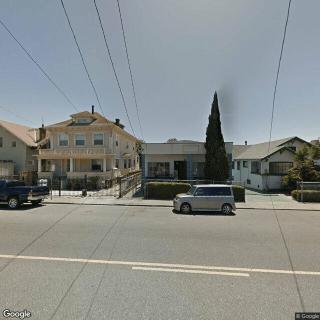
5111 Foothill Boulevard, Oakland, CA 94601
For more information about senior living options: (866) 208-4318
Overall Review of New Horizons (Home 2 For The Aged)
Pros
 The place looked much better and had new owners.
- The new owners brought noticeable improvements to the place.
- The reviewer observed that the property appeared better when last visited.
Cons
 They report that no one from the place ever contacts Dan’s family, even when they manage to reach out, which is difficult because the online phone numbers are disconnected.
- They note that the phones listed online are disconnected, making communication nearly impossible.
- They express concern about whether Dan received the clothes they mailed and if they fit.
- They describe the situation as gross.
Review
New Horizons (Home 2 For The Aged) in Oakland is best suited for families that are comfortable taking an active, ongoing role in oversight and advocacy. The facility shows promise for those who can tolerate a period of transition under new ownership and demand reliable communication as a condition of care. In practice, this community rewards families that treat the residence as a partner in care, not a distant service provider. If leverage and accountability are nonnegotiables, this setting can meet those expectations; if they are not, the gaps become more consequential.
For families weighing alternatives, the warning signs are clear: a facility that cannot maintain open, dependable contact channels and promptly address concerns is not a good fit for elders who require steady updates or who are vulnerable to lapses in attention. The reviews point to phone lines that are disconnected or answered only via voicemail, with little to no return calls. Mail and personal items become a point of anxiety when there is uncertainty about whether deliveries reach the resident. In short, if routine communication and prompt responsiveness are essential, consider other communities with a proven track record of consistent outreach and transparent family updates.
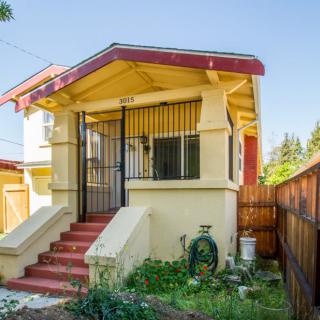
On the upside, observers note that there have been visible improvements after a change in ownership. The place looked better, and the newly established ownership appears willing to invest in updating the environment. That signals a genuine effort to lift the overall quality of life through better spaces, cleaner surroundings, and a more professional presentation. These enhancements matter: they contribute to resident comfort, safety, and dignity, and they can form the foundation for more reliable operations when paired with disciplined administrative practices and a clear line of accountability.
However, the core drawbacks shift the risk calculus. The most troubling element is the chronic difficulty in obtaining timely, direct, and meaningful communication from staff. Unreachable numbers, disconnected lines, voicemail boxes without timely return calls, and little transparency around care decisions or daily routines all undermine confidence that residents’ needs are being observed and promptly addressed. The concern about personal belongings, evidenced by reports of potential misdelivery or loss of clothing sent by family, adds a layer of financial and emotional risk that families cannot ignore. In short, the practical benefits of a refreshed environment are undermined when family members lack assurance that contact, care coordination, and item security are being managed competently.
When weighing pros against cons, the improvements in the physical setting do not fully offset the persistent communication and oversight gaps. A well-kept dining area or renovated common spaces matter, but not if families must constantly chase staff for updates, or if essential care decisions and adverse events are inadequately communicated. For long-term residential decisions, reliability in operations and open lines of communication are not optional add-ons; they are baseline requirements. New Horizons may deliver a more comforting ambiance, but without dependable, proactive engagement from leadership and front-line staff, the risk of unmet care needs remains a real possibility.
For families seriously considering this community, a disciplined due-diligence process is essential. Before committing, insist on direct access to the administrator or a designated care liaison, and request a written policy detailing how family communications will be handled, how care plans are updated, and how emergencies are escalated. Verify current contact information and set explicit expectations for response times. Schedule on-site visits at varied times to observe interactions between staff and residents, speak with other families, and gauge whether the environment feels supervised and responsive. Confirm safeguards for mail, personal items, and financial transactions, and ask for concrete examples of how new ownership has addressed past concerns. The verdict is pragmatic: New Horizons can be a viable home for an elder who can be actively engaged in governance, but for those needing consistent, reassuring contact and robust item-security practices, alternatives with stronger accountability are advisable.
 6 resident community capacity
 Assisted Living
 Board and Care Home
 Cable or satellite TV
 Dining room
 Fully furnished
 Garden
 Housekeeping services
 Move-in coordination
 Outdoor space
 Telephone
 Wi-Fi/high-speed internet available
 Metropolitan Oakland International (4 miles away)
 24-hour supervision
 Activities of daily living assistance
 Assistance with bathing
 Assistance with dressing
 Assistance with transfers
 Diabetes diet
 Meal preparation and service
 Medication management
 Special dietary restrictions
 Transportation arrangement (medical)
 Transportation to doctors appointments



 Securing Financial Support for Assisted Living: A Comprehensive Overview
 Social Security Benefits and Assisted Living: Navigating Options Across the U.S.
 An Extensive Exploration of the VA Aid and Attendance Benefit