
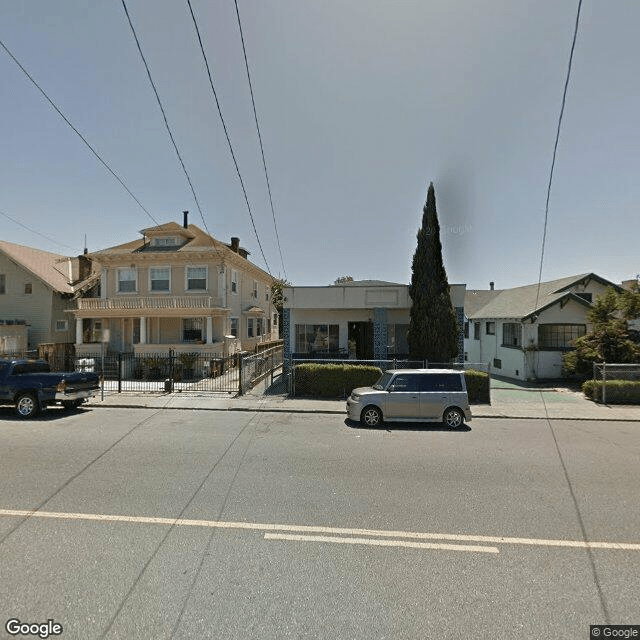
5115 Foothill Boulevard, Oakland, CA 94601
For more information about senior living options: (866) 208-4318
New Horizons Costs & Pricing
New Horizons offers a competitive monthly rental rate of $2,995 for one-bedroom units, significantly below both Alameda County's average of $4,644 and California's statewide figure of $4,340. This pricing reflects a strategic positioning within the market, making New Horizons an appealing option for those seeking quality living at a more accessible cost. Residents can enjoy the benefits of a well-appointed community while being mindful of their budgets, indicating that New Horizons is committed to providing value without compromising on comfort or amenities.
| Floor plans | New Horizons | Alameda County | California |
|---|---|---|---|
| 1 Bedroom | $2,995 | $4,644 | $4,340 |
Assisted Living communities with a similar price nearby
-
About the same
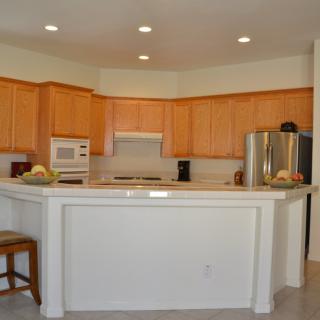
Laylor Care Home For The Elderly
$3,000 to $4,000 / month24.9 miles away -
About the same

Palm Garden Home Care
$3,000 to $4,000 / month11.8 miles away -
from -$495 / mo

Ava Bella Care Home
$2,500 to $3,000 / month14.3 miles away -
from +$200 / mo
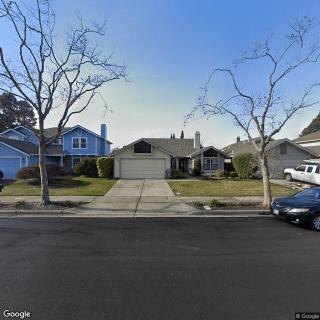
Harbor Bay Assisted Living
$3,195 to $5,000 / month3.1 miles away -
from +$405 / mo

An Oak Grove Manor
$3,400 to $3,800 / month14.8 miles away
Overall Review of New Horizons
Pros
 The place looked much better and had new owners.
- The new owners are a positive change for the place.
- Dan’s last visit suggested improvements to the property.
Cons
 No one contacts them, and the phones listed online are disconnected.
- Daniel is very heavy.
- They worry about whether the clothes they sent to him were received and if they fit.
- They found an unlisted phone number but still get voicemail and no callback.
- The reviewer describes the situation as gross.
Review
New Horizons in Oakland is best suited for seniors who are largely independent but want a small, more intimate setting where a family or designated advocate is prepared to stay closely involved. This community appears to reward proactive oversight from relatives or guardians, because the most reliable lines of communication and quick coordination with staff are not consistently evident. For residents who rely on predictable administrative contact, transparent billing, and steady staff presence, this one-off impression of care can feel fragile.
Those considering alternatives should note who may be better off elsewhere. If dependable, real-time communication is non-negotiable, regular calls, timely responses to messages, clear signs of administrator accessibility, and verified channels for emergencies, this community may not deliver. Families needing formalized care coordination, visible RNs or LPNs on site, and consistently documented care plans will likely want options with stronger, verifiable oversight. The combination of unlisted numbers, unanswered voicemails, and lines that appear disconnected raises significant red flags for anyone prioritizing reliability.
On the upside, the reviews hint at something that could evolve into a real strength: a visible commitment to change. The mention that the facility “looked much better” after new ownership suggests a real investment in appearance and perhaps operations. If management is actively repositioning the campus, upgrading systems, and tightening routines, there is potential for tangible improvement in daily life for residents who can engage with a responsive administrator. In practice, those possibilities become meaningful only if communication channels are re-established, and family liaison processes are clearly defined and honored.
The principal drawbacks, however, are deeply consequential. The most glaring issue is the breakdown of contact with family members: disconnected phone lines, unlisted numbers, and voicemail boxes that fail to return calls. That creates a persistent loop of uncertainty around a resident’s well-being, care changes, and the status of personal items, such as mail or purchases sent to the resident. The sense that a resident’s family cannot verify basic needs or confirm what happens to valuables erodes trust and makes timely intervention in emergencies unlikely. These communication gaps are not minor inconveniences; they are core risks to safety and peace of mind.
In weighing the balance, the pros of a refreshed facility and possible operational improvements must be weighed against the reality that communication and accountability are currently fragile. If the family can implement a structured oversight routine, firm written care plans, scheduled 1:1 updates, a dedicated liaison in administration, and guaranteed access to a live person during business hours, the potential benefits may be attainable. Without that framework, the cons dominate: uncertainty about care, potential missed signals, and a lack of assurance that personal belongings or funds are handled properly. The prudent path is to push for concrete, verifiable communication standards first, and to compare alternative Oakland options with demonstrated, transparent responsiveness before making a final placement decision.
 15 resident community capacity
 Assisted Living
 Board and Care Home
 Activities on-site
 Cable or satellite TV
 Devotional services off-site
 Dining room
 Fully furnished
 Garden
 Housekeeping services
 Indoor common areas
 Move-in coordination
 Outdoor space
 Telephone
 Wi-Fi/high-speed internet available
 Metropolitan Oakland International (4 miles away)
 24-hour supervision
 Ambulatory care
 Assistance with bathing
 Assistance with dressing
 Assistance with transfers
 Diabetes diet
 Diabetic care
 Meal preparation and service
 Medication management
 Special dietary restrictions
 Transportation arrangement (medical)
 Transportation to doctors appointments



 Is Assisted Living Deductible on Your Taxes? Understanding the Complexities of Assisted Living Expenses and Deductions
 Assisted Living Support for Veterans: A Complete and Detailed Overview
 Exploring the Contrasts Between Assisted Living and Skilled Nursing