

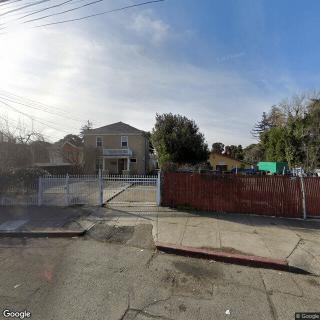
388 12th St, Oakland, CA 94607
To contact a resident: (415) 218-2620
For more information about senior living options: (866) 208-4318
Longevity Assisted Living Costs & Pricing
At Longevity Assisted Living, the monthly costs for residents reflect a commitment to quality care and comfortable accommodations. For those opting for a semi-private room, the cost is set at $4,000, which is notably higher than the regional average in Alameda County at $3,273 and the overall California average of $3,333. This premium may be indicative of enhanced services or amenities provided by Longevity. Meanwhile, for individuals choosing a studio apartment, the monthly fee is $5,500 - substantially exceeding both the Alameda County average of $4,532 and California's average rate of $4,145. While these rates may be elevated compared to surrounding areas, they suggest an investment in a superior living environment that prioritizes resident well-being and comfort.
| Floor plans | Longevity Assisted Living | Alameda County | California |
|---|---|---|---|
| Semi-Private | $4,000 | $3,273 | $3,333 |
| Studio | $5,500 | $4,532 | $4,145 |
Memory care communities with a similar price nearby
-
About the same
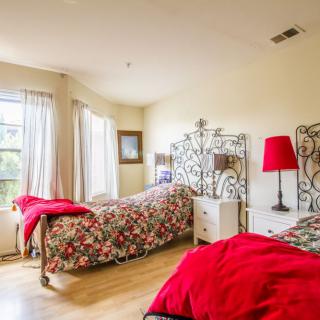
Golden Age Of Channing Way
$4,000 to $5,000 / month4.3 miles away -
from -$500 / mo
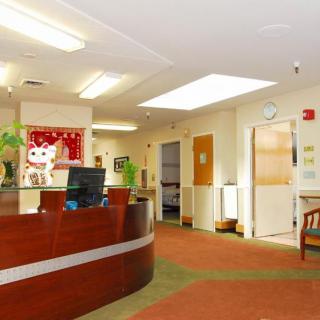
East Bay Assisted Living
$3,500 to $5,000 / month2.0 miles away -
from +$500 / mo
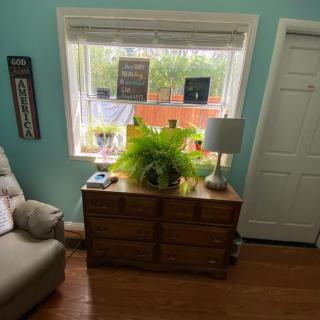
Lafayette Gardens
$4,500 to $5,000 / month10.4 miles away -
About the same
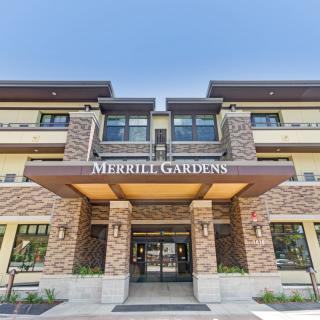
Merrill Gardens at Lafayette
$3,975 to $8,995 / month10.6 miles away -
About the same
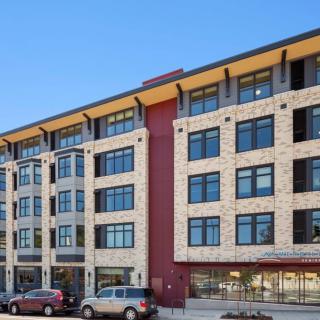
Merrill Gardens at Rockridge
$3,995 to $8,500 / month2.5 miles away
Overall Review of Longevity Assisted Living
Pros
 The move to East Bay Longevity Assisted Living was the best decision for Mom.
- The caretakers are well trained and show genuine compassion toward residents.
- Mom is well cared for and safe around the clock.
- The family feels comfortable and no longer worries about Mom's safety.
- Staff provide regular weekly updates, keeping the family informed.
- The reviewer expresses gratitude to Alice, Michael, and the entire staff and would recommend East Bay Longevity to others.
Review
Longevity Assisted Living in Oakland is best suited for frail seniors or those who have recently faced safety concerns at home and now require around-the-clock supervision with compassionate, capable caregiving. The standout takeaway is safety and reliability: a 24/7 presence, well-trained staff, and a caregiving team that demonstrates genuine concern for residents. Families can anticipate consistent oversight and peace of mind, knowing a resident is continually monitored and cared for, with updates shared to the point of it becoming routine. For an older adult who has had a fall or who fears living alone, this community positions itself as a dependable, hands-on option where a resident’s welfare is prioritized every hour of the day.
That said, some families may want to consider alternatives. If a senior’s needs include higher-level medical oversight, skilled nursing services, or specialized memory care beyond standard assisted living, other options may be more appropriate. Those seeking a more independent environment, lower monthly costs, or a setting that emphasizes social programming without intensive supervision might find different communities a better fit. For residents with complex rehab requirements or escalating medical care needs, it’s prudent to compare with facilities specifically equipped for those services to ensure the plan aligns with anticipated care trajectories.
The strengths here, solid caregiver training, compassionate staffing, and continuous supervision, largely offset typical worries about safety and reliability. The most compelling pro is the staff’s ability to respond compassionately to residents’ needs while maintaining vigilance over day-to-day welfare. Regular updates to family, including direct communication with the owner, create a transparent care loop that reduces anxiety about what is happening with a loved one. In a setting where a family member previously lived independently, the reassurance of real-time visibility and trusted caregivers can be the decisive factor in choosing this community over others with less hands-on engagement from leadership.
Nevertheless, the absence of explicit details on certain dimensions warrants a careful pre-move assessment. Prospective families should seek clarity on how care plans are developed and reviewed, who oversees medication management, and what specific medical or rehabilitative services are available on-site. While the review highlights 24/7 staffing and owner involvement as strengths, potential residents should verify staffing ratios, response times to calls or alarms, and whether any services beyond traditional assisted living, such as physical therapy or routine nursing check-ins, are readily accessible. Understanding these facets will determine whether the apparent safety and communication benefits fully align with evolving care needs.
Another practical consideration is alignment with the elder’s preferences and personality. The model here appears to favor a caregiver-driven approach, with strong family communication and visible owner accessibility. For seniors who value highly personalized attention, predictable routines, and frequent family interaction, this environment can feel like a secure, almost seamless extension of home life. Conversely, residents who prize abundant social programming, a quieter pace, or a setting with broader medical or therapeutic offerings may want to weigh how this community stacks up against alternatives that emphasize those priorities more explicitly.
In the end, Longevity Assisted Living is a compelling choice for Oakland families seeking dependable, empathetic 24/7 care with transparent family updates and active owner involvement. It excels at delivering safety, reassurance, and ongoing communication, critical factors when a parent has fallen and aging in place becomes precarious. Those whose situations demand more intensive medical or rehabilitative services, or who require cost-sensitive options, should actively compare other communities and ask pointed questions about medical capabilities, activity programming, and long-term care planning. With diligent due diligence, the best-fit decision will hinge on whether the resident’s current needs and anticipated trajectory align with the facility’s demonstrated strengths and the family’s practical expectations.
 Assisted Living
 Memory Care
 Activities on-site
 Devotional services off-site
 Indoor common areas
 Metropolitan Oakland International (6 miles away)
 Ambulatory care
 Diabetic care
 Meals provided



 Five Subtle Dementia Indicators to Observe: An In-Depth Guide to Understanding “Does My Mom Have Dementia?”
 Dementia, Paranoia, and Caregiver Guidance: Understanding the Connection
 Engaging Memory Care Activities That Enhance Quality of Life