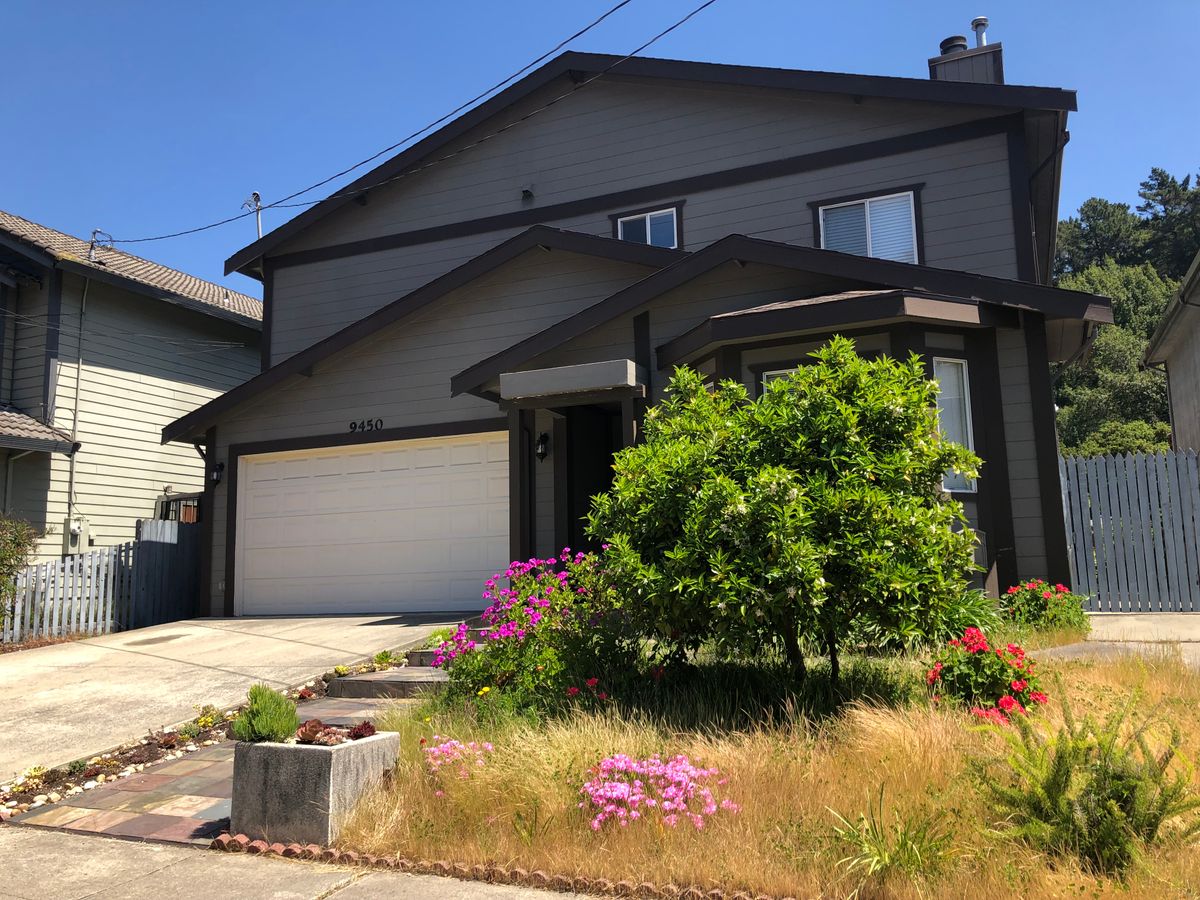
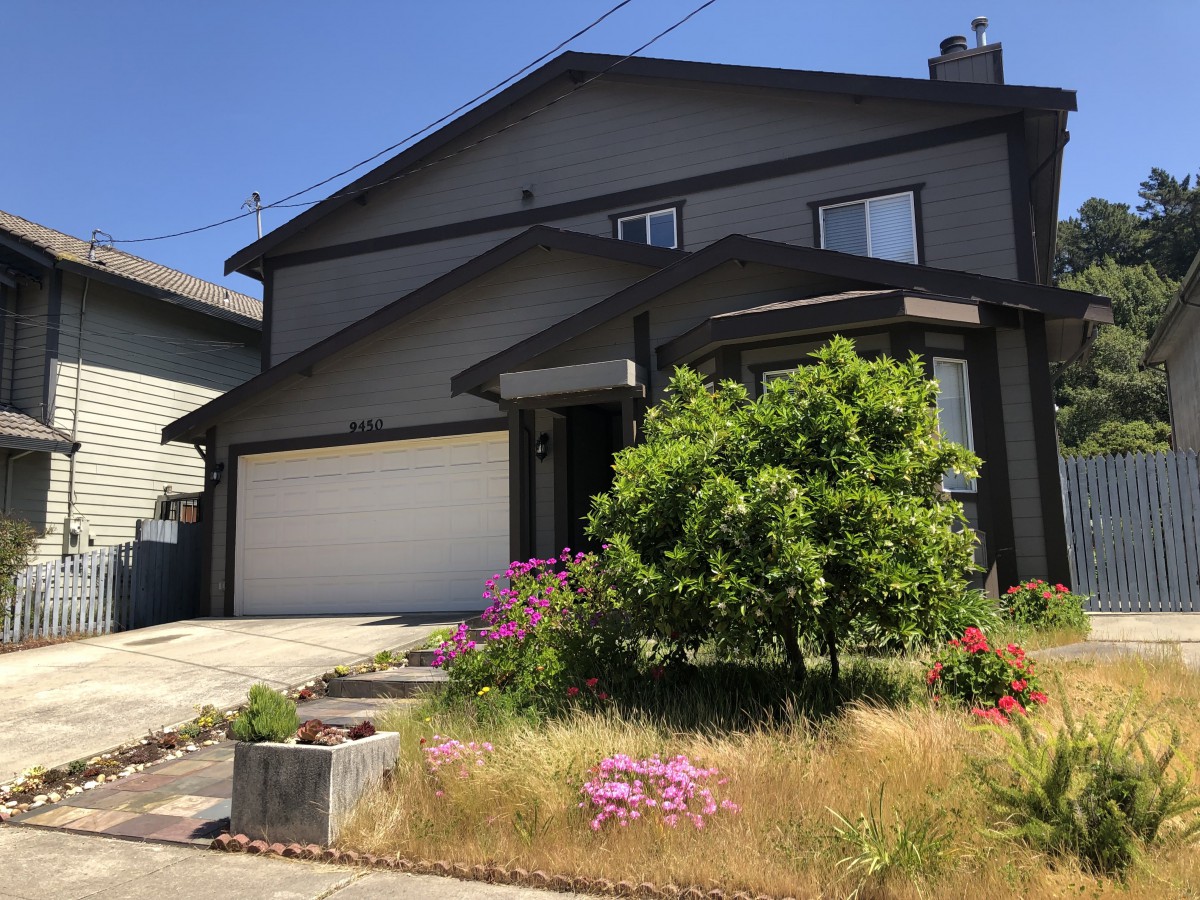
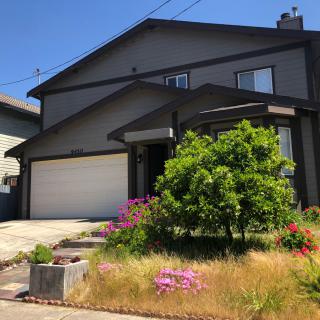



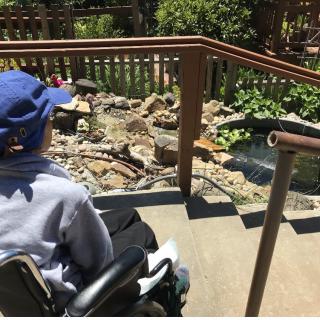
9450 Mountain Boulevard, Oakland, CA 94605
For more information about senior living options: (866) 208-4318
Golden Living Guest Home Costs & Pricing
Golden Living Guest Home offers a range of assisted living accommodations that reflect both quality and value within the context of local market conditions. For the semi-private rooms, the monthly cost is set at $4,000, which is notably higher than the average for Alameda County at $3,273 and California's overall average of $3,333. Similarly, private rooms are priced at $5,500, exceeding both Alameda County's average of $3,748 and the state average of $3,939. While these rates are above the regional and state averages, they may be indicative of enhanced services or amenities offered at Golden Living Guest Home that cater to residents seeking a supportive community environment.
| Floor plans | Golden Living Guest Home | Alameda County | California |
|---|---|---|---|
| Semi-Private | $4,000 | $3,273 | $3,333 |
| Private | $5,500 | $3,748 | $3,939 |
Assisted Living communities with a similar price nearby
-
About the same
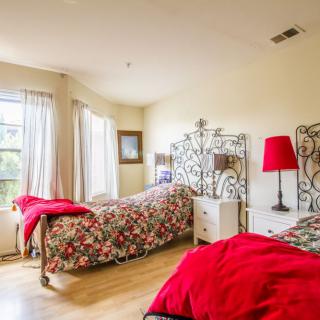
Golden Age Of Channing Way
$4,000 to $5,000 / month5.6 miles away -
from +$500 / mo
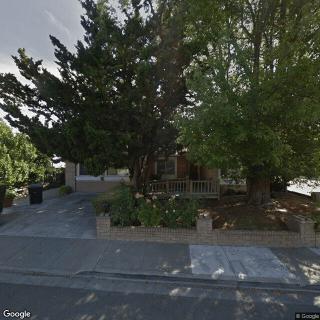
Pleasanton Senior Care Villa
$4,500 / month15.0 miles away -
from -$600 / mo

An Oak Grove Manor
$3,400 to $3,800 / month13.6 miles away -
from -$500 / mo
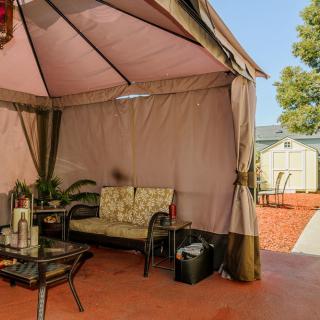
Blossom Garden Senior Home
$3,500 to $4,800 / month6.0 miles away -
from +$600 / mo

Milan Villa Senior Living
$4,600 to $9,200 / month20.9 miles away
Overall Review of Golden Living Guest Home
Pros
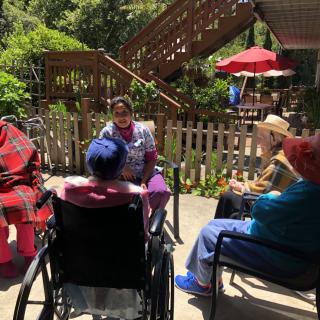
 They really like the family environment.
- Everyone is friendly and competent.
Cons
 The reviewer would be more comfortable if there were another aide there.
- The facility only has one worker, a family member, leaving staffing limited and not always available.
Review
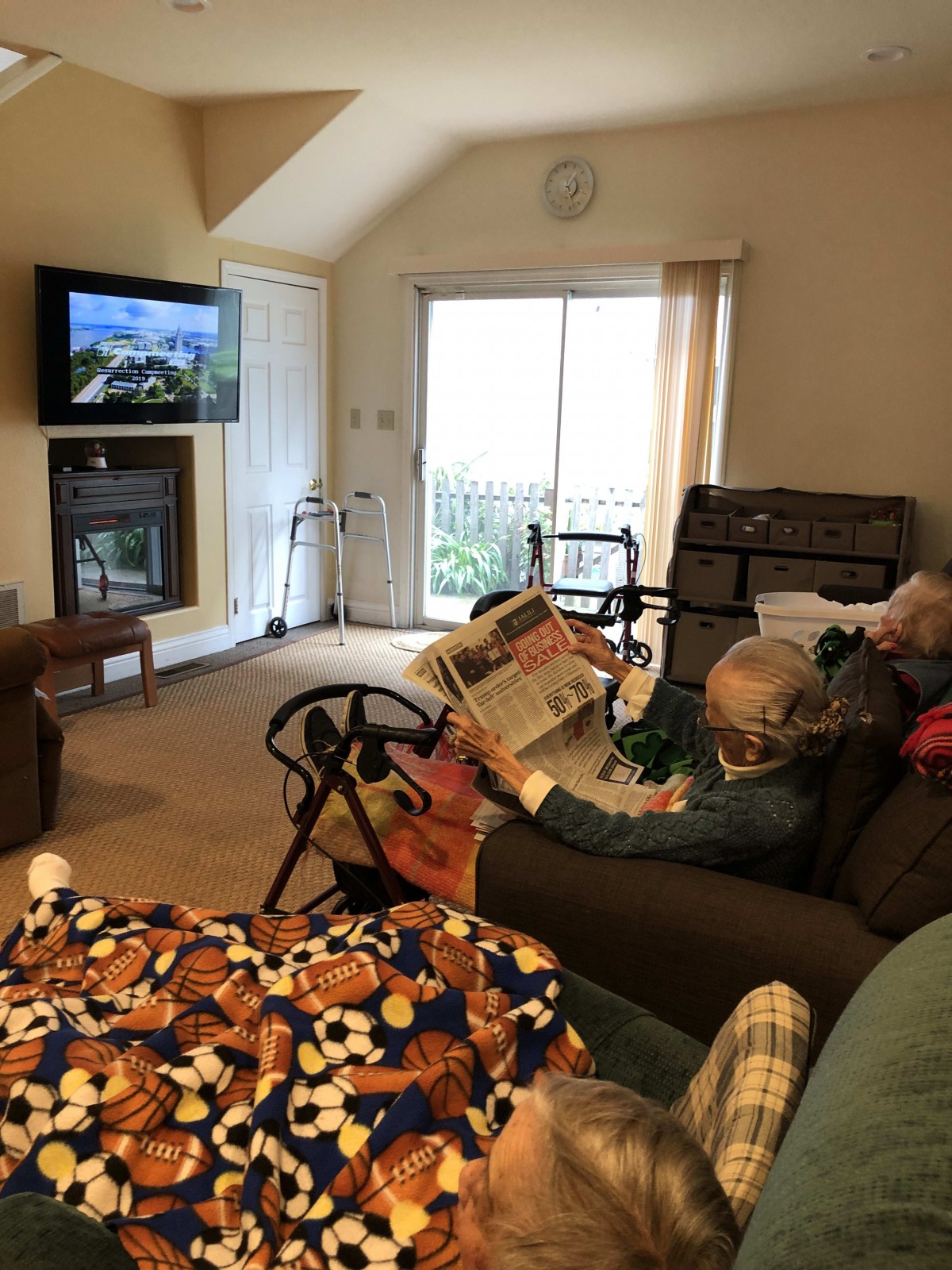
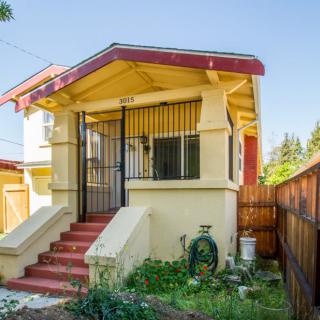
Golden Living Guest Home in Oakland is best suited for seniors who want a warm, home-like environment where care feels personal and decisions can be made within a small, closely involved team. This community shines for residents who value intimate, relationship-driven attention and for families that want to stay actively engaged in day-to-day care. The setting works particularly well for individuals who do not require high-intensity medical oversight or large-scale programming, and who appreciate a visible family-led operation that prioritizes a comfortable, familiar atmosphere over clinical polish. In short, it serves as a strong fit for those prioritizing dignity, warmth, and straightforward daily support over institutional breadth.
Those who should seriously consider alternatives are readers who require steady, round-the-clock professional coverage or more robust medical oversight. A larger facility with multiple aides per shift, on-site licensed nursing support, and broader memory-care resources can be essential for residents with complex medical needs or dementia that demands constant supervision. Families seeking extensive structured activities, formal routines, or regimented care plans may also find a larger community offers clearer expectations and fewer gaps in coverage. If the emphasis is on dependable, scalable staffing and comprehensive medical management, a different setting will likely deliver greater reassurance.
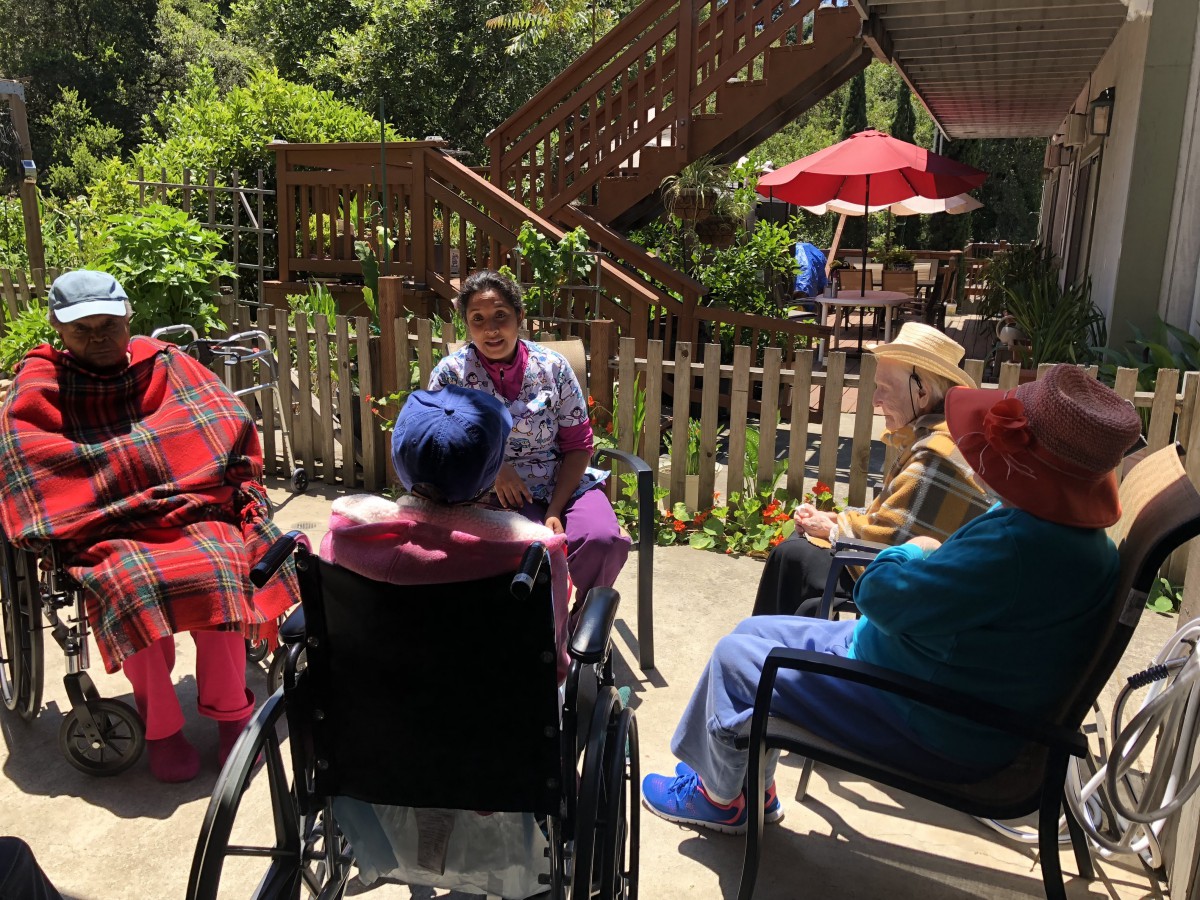
The strongest positives here revolve around the human touch: a clearly familial, friendly atmosphere and staff who come across as competent and personable. The intimate, home-like environment often translates into closer daily communication and more individualized attention, with residents likely to feel seen and respected. Care that arises from a small team can be nimble, with caregivers who know preferences and routines well and who can tailor responses to evolving needs. This personal tone can reduce anxiety for families and residents alike, fostering trust and a sense of belonging that larger operations sometimes struggle to reproduce.
However, the height of the convenience comes with an undeniable constraint: only one aide on site at a time. That staffing model introduces potential safety and reliability gaps whenever that sole caregiver is occupied, away, or overwhelmed. The family involvement helps mitigate some risk, but it cannot wholly substitute for consistent, professional coverage. The arrangement can lead to moments when assistance is slower or less available, particularly during busy periods or medical tasks that require more hands-on support. For families prioritizing predictable coverage and comprehensive medical monitoring, these gaps are a meaningful consideration.
The pros can offset the cons when the care philosophy aligns with strong, proactive communication and well-structured collaboration between family and staff. The proximity of a family-run model often means care plans are highly customizable, with rapid adjustments to preferences and routines. The benefit is a transparent, relationship-rich environment where caregivers are invested in residents’ well-being beyond routine tasks. To maximize safety and continuity, practical steps should be taken: request a clear outline of daily staffing and back-up procedures, confirm whether medications are administered by a licensed professional, and verify emergency protocols, including backup coverage when the sole aide is unavailable. A trial period or a careful review of a written care plan can illuminate how well the model operates in real life.
For families weighing options, Golden Living Guest Home offers a compelling choice when the goal centers on a nurturing, family-forward experience with personal attention. It is a strong match for residents who value warmth, flexibility, and daily interactions in a small-team setting. At the same time, it is prudent to consider whether the individual’s needs demand more consistent professional staffing, more extensive medical oversight, or more formalized memory-care capabilities. If those are priorities, exploring alternatives that guarantee higher staff-to-resident ratios and robust contingency plans will yield greater confidence. Overall, this community stands out as a practical, well-suited option for the right mix of desire for homelike care and tolerance for a lean staffing structure.
 6 resident community capacity
 Assisted Living
 Board and Care Home
 Respite Care
 Cats allowed
 Dogs allowed
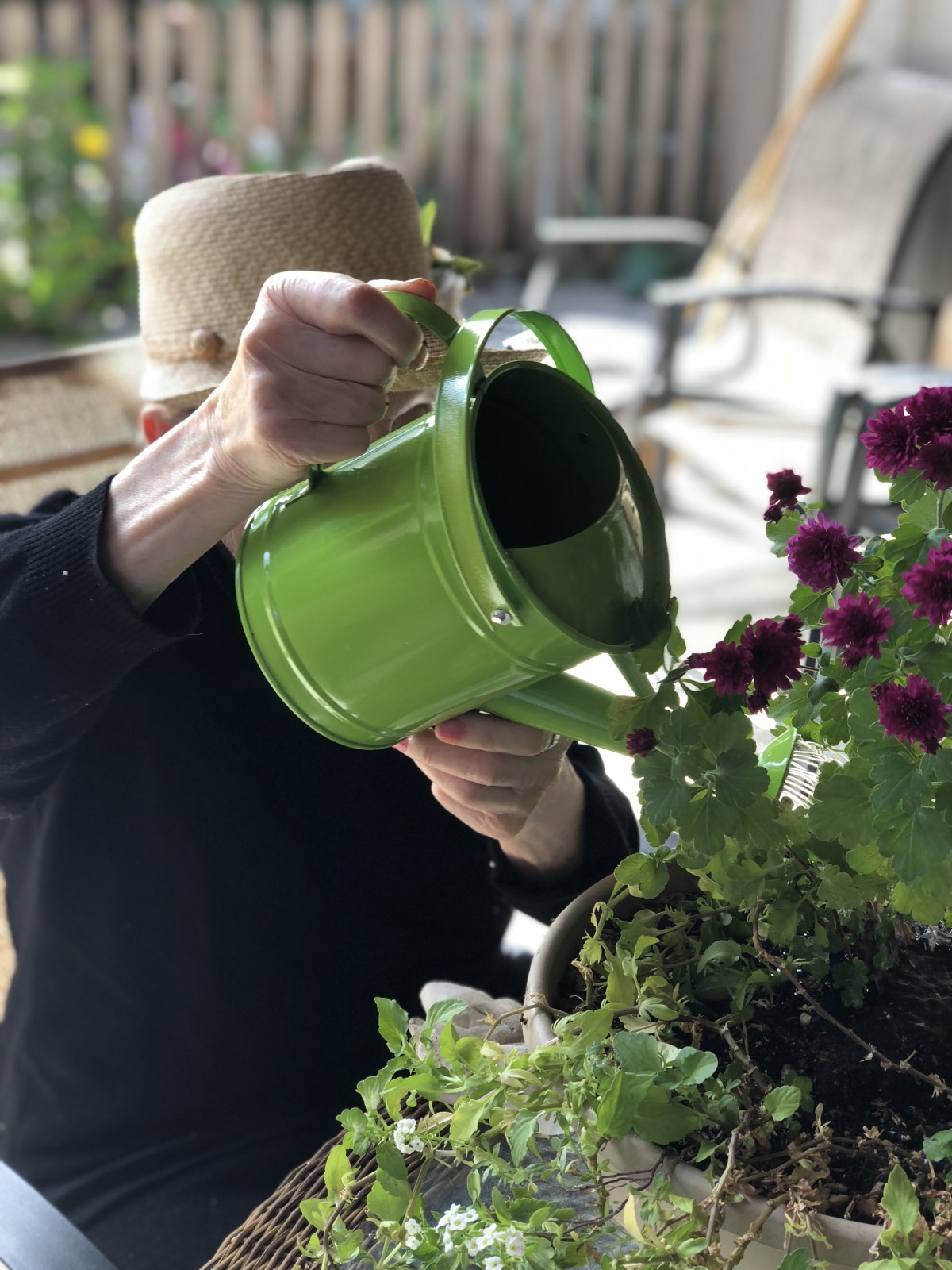
 Activities on-site
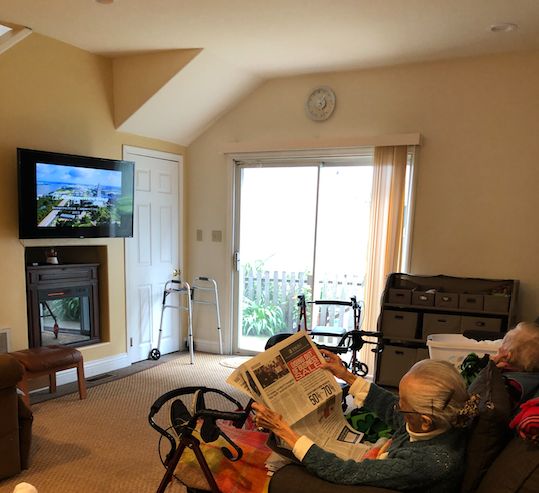
 Cable or satellite TV
 Dining room
 Fully furnished
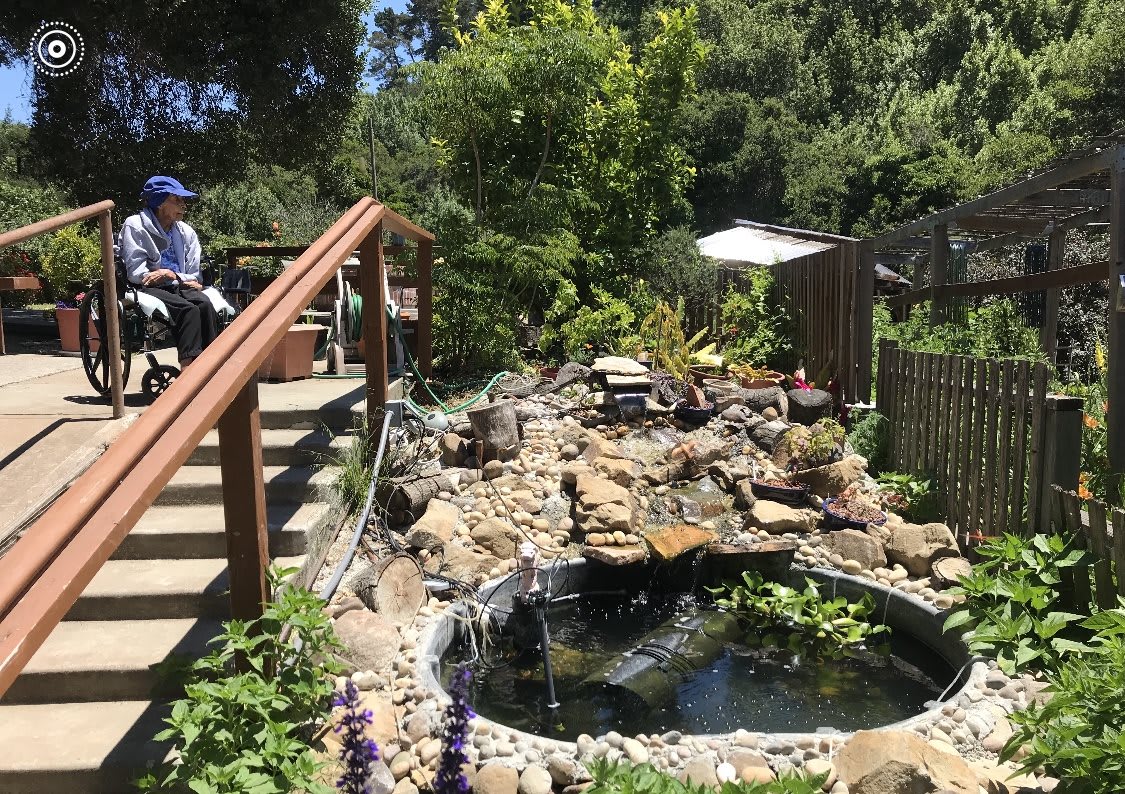
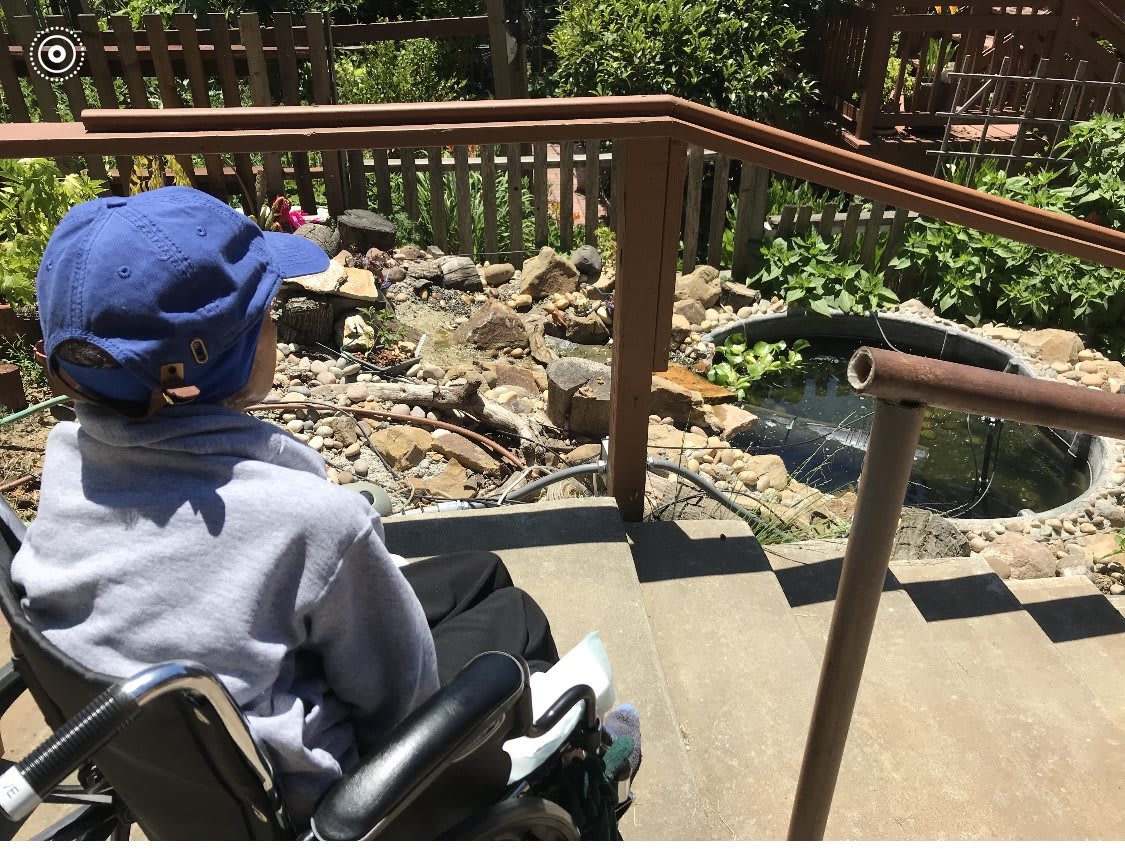
 Garden
 Housekeeping services
 Move-in coordination
 Outdoor space
 Private
 Small library
 Telephone
 Metropolitan Oakland International (5 miles away)
 24-hour supervision
 Ambulatory care
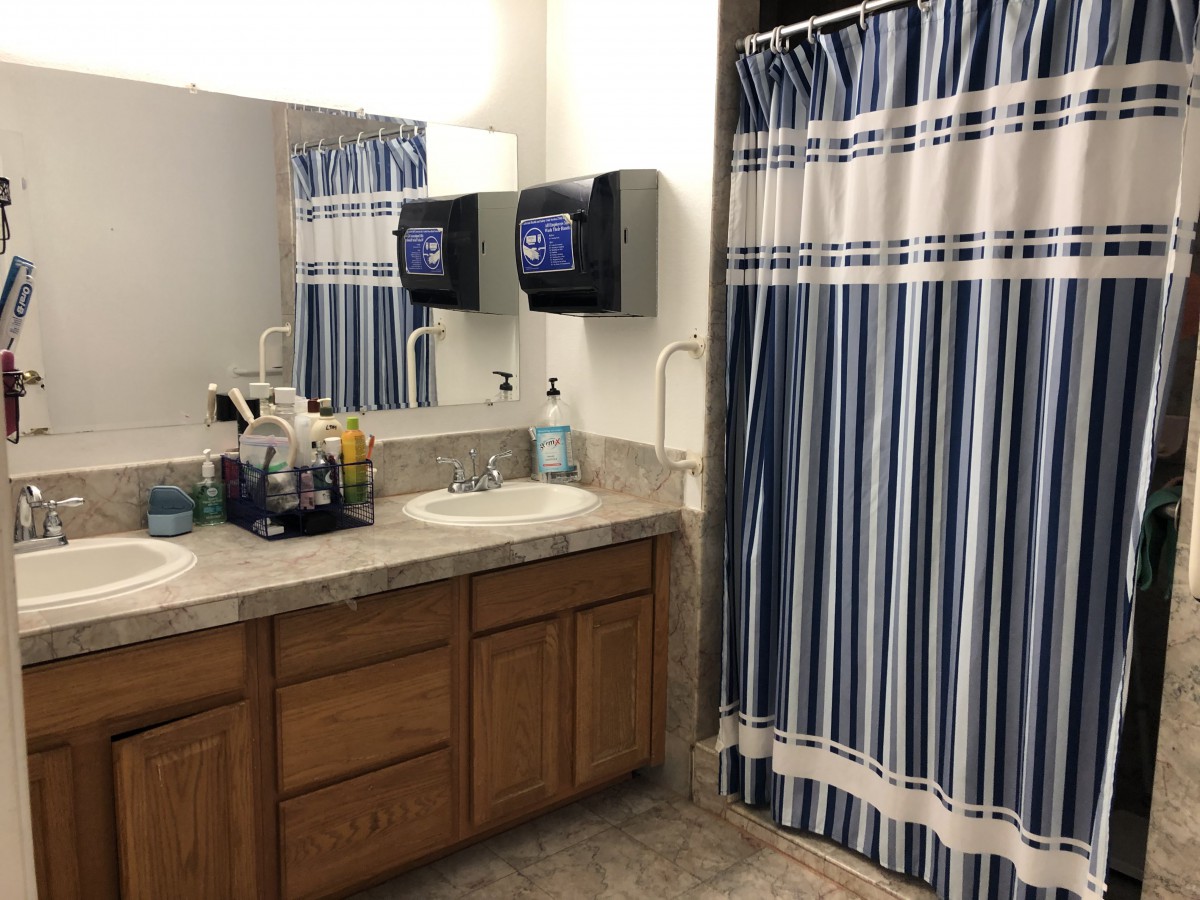
 Assistance with bathing
 Assistance with dressing
 Assistance with transfers
 Diabetes diet
 Incontinence care
 Meal preparation and service
 Medication management
 Special dietary restrictions
 Christian services




 Understanding the Distinctions: Assisted Living and Memory Care Explained
 Guiding Elderly Parents Who Refuse Assisted Living: 6 Practical Steps
 Your Comprehensive Guide to Luxury Assisted Living: Elevated Facilities, Amenities, and Costs