
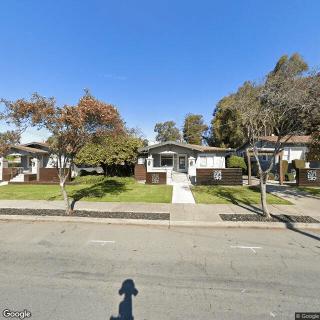
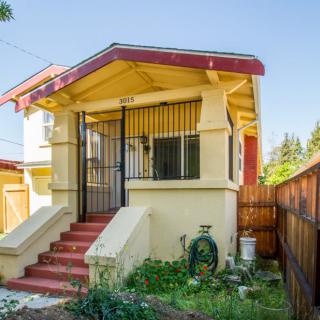
2706 106Th Avenue, Oakland, CA 94605
For more information about senior living options: (866) 208-4318
Overall Review of D'Nalor Care Homes
Pros
 It is a wonderful nursing home.
- The staff is friendly, caring, and attentive.
- The staff were compassionate and kind to her and her family.
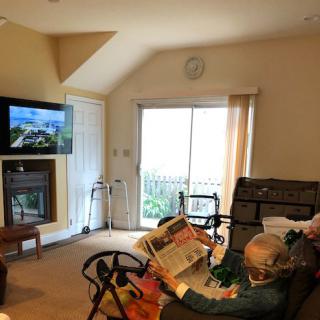
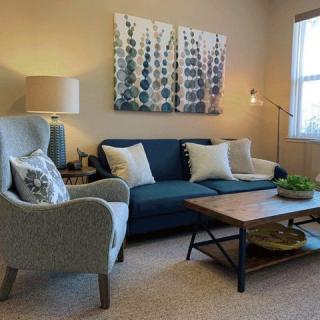
- It feels like a home, not a business.
- It is run very well.
- Roland and all of the staff are great.
- They would highly recommend this nursing home to others for their loved ones.
Review
D'Nalor Care Homes in Oakland is best suited for families seeking a warm, home-like nursing home experience where compassionate, attentive staff form the core of everyday care, and where end-of-life support is delivered with genuine kindness. The community shines for loved ones who value a quiet, residential atmosphere over a hospital-like setting, paired with hands-on, relationship-driven care. For families facing hospice or palliative needs, the setting can provide meaningful comfort and steadiness during a difficult chapter, anchored by a team known for individual attention and thoughtful, consistent oversight.
Those who may want to consider alternatives are families pursuing highly specialized clinical models, aggressive rehabilitative programs, or a bustling campus with a broad slate of on-site amenities. If a loved one requires intensive medical management beyond standard SNF care, or a facility with extensive memory-care programming, high-frequency therapy, or a larger, more resource-rich environment, it is prudent to compare options. D'Nalor’s strengths lie in warmth, continuity, and a homelike routine; for families prioritizing clinical intensity, the contrast with larger, more clinical centers will be noticeable.
The strongest pros center on staff engagement and the care environment. The reviews describe a team that is friendly, caring, and attentive, with Roland and other staff members singled out for their effectiveness and consistency. A home setting, rather than a clinical corridor atmosphere, helps residents settle in, reduces distress, and fosters comfortable family involvement. Administration is perceived as well-run, which matters as much as bedside compassion; smooth operations translate into reliable daily routines, predictable care planning, and clearer communication with families.
In weighing potential drawbacks, the account leaves little to fault. Typical concerns in this arena, staffing pressures during busy shifts, limited on-site programming, or gaps in highly specialized care, do not emerge in the narrative. Instead, the practical strengths of a personable, well-coordinated team appear to offset these common anxieties. The upshot is a model where personal attention, continuity of caregivers, and a serene environment collectively compensate for any trade-offs a family might encounter when choosing a smaller, home-forward facility over a larger, more program-rich campus.
Families evaluating D'Nalor should verify a few practical details before committing. Confirm the facility’s exact approach to hospice and end-of-life care, including how care plans are developed and updated in collaboration with family members. Request to meet the primary caregivers and observe resident-staff interactions to assess whether consistent teams can be maintained. Inquire about room options, daily activity schedules, and visitation policies to ensure alignment with personal preferences. It can also help to speak with leadership about long-term care goals, whether there is room to tailor programming, and how the facility handles transitions if the care needs intensify.
Bottom line: D'Nalor Care Homes represents a strong, pragmatic choice for families seeking a compassionate, home-like setting with attentive staff and solid administrative coordination, particularly for residents in hospice or palliative phases who prize personal connection and steady, respectful care. It is especially compelling for those who value continuity of relationships with caregivers and a calm, non-institutional daily rhythm. For families prioritizing robust clinical intensity, expansive on-site programming, or memory-care specialization, alternatives should be explored and compared directly to ensure the fit is aligned with the loved one’s care trajectory. A visit is the best next step, observe the tone, ask pointed questions, and envision everyday life there to determine if this balance of heart and hands meets the family’s concrete needs.
 6 resident community capacity
 Assisted Living
 Cable or satellite TV
 Dining room
 Fully furnished
 Garden
 Housekeeping services
 Move-in coordination
 Outdoor space
 Telephone
 Wi-Fi/high-speed internet available
 Metropolitan Oakland International (4 miles away)
 24-hour supervision
 Activities of daily living assistance
 Assistance with bathing
 Assistance with dressing
 Assistance with transfers
 Diabetes diet
 Meal preparation and service
 Medication management
 Special dietary restrictions
 Transportation arrangement (medical)
 Transportation to doctors appointments




 Choosing the Right Senior Care: A Detailed Exploration of Assisted Living and Nursing Homes
 Understanding the True Cost of Assisted Living in 2025: A Comprehensive Guide
 Understanding Medicaid Coverage for Assisted Living: A Comprehensive Guide