
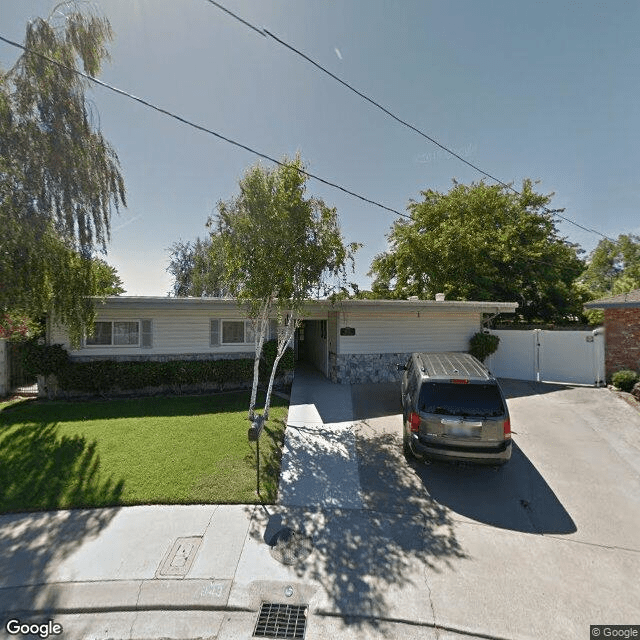
943 Terrace Court, Oakdale, CA 95361
For more information about senior living options: (866) 208-4318
Overall Review of Heritage Home
Pros
 The caregivers were absolutely wonderful and immediately cared for her grandmother, providing excellent end-of-life care.
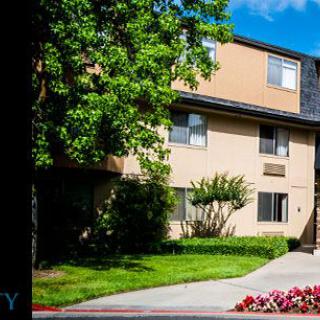
- The setting is a residential home transformed into a care facility that feels welcoming and personal, unlike a hospital-like environment.
- The Heritage Home team provided a wonderful experience during a very painful time.
- They take very good care of their patients.
Cons
 The grandmother did not want to die in a hospital.
- Hospitals are chaotic and confusing.
Review
Heritage Home in Oakdale, CA is best suited for seniors who want a small, residential, home-like setting where comfort, personal attention, and compassionate daily care take priority over hospital-like routines. Families seeking a calm atmosphere with caregivers who form quick, trusting bonds will find the most value here. The facility is a converted house, which translates into a welcoming, intimate environment that feels markedly less clinical than larger assisted-living campuses. It clearly serves residents who prefer a softer transition into ongoing care, especially those facing end-of-life decisions, where dignity and warmth are central.
Those who may want to consider alternatives include individuals who require robust 24/7 nursing oversight, complex medical procedures, or a wider roster of amenities and programming. The home-like format implies smaller scale and fewer medical resources than traditional assisted living or skilled-nursing facilities, so families should plan for what is realistically doable within this setting. One reviewer’s experience also signals variability: a single low rating amid higher marks can hint at uneven consistency. If steady, high-level clinical support, or frequent structured activities with diverse staff, is essential, evaluate other options alongside Heritage Home.
Pros are tangible and impactful: caregivers described as wonderful, immediately attentive, and deeply invested in a resident’s comfort; end-of-life care received with evident compassion; a sense of welcome and personal touch that stands in sharp contrast to hospital chaos. The residential conversion is not cosmetic; it underpins a relational care model where staff know residents’ histories, preferences, and routines. These strengths help offset the lack of a glossy, institutional feel and support families during emotionally fraught periods when presence and gentle handling matter most.
However, the gains come with trade-offs. The intimate setup naturally limits staff availability and the breadth of clinical services, which may affect people with higher medical needs or those requiring frequent skilled nursing interventions. Availability can be constrained by size, and social programming may be more modest than at larger communities. For families, this means a stronger emphasis on family involvement and proactive communication from caregivers. Expect moments of exceptional warmth alongside occasional gaps that reflect the constraints of a small operation.
To make a well-informed decision, visit with a prepared checklist. Clarify staff-to-resident ratios and whether an RN or LPN is on site around the clock. Review the care-planning process: how goals of care are established, updated, and communicated to family members. Ask about how pain management, mobility assistance, and daily living activities are handled, and what happens during nights or weekends. Probe transfer and hospitalization policies, emergency procedures, and the level of coordination with outside medical providers. Observe the environment, talk with caregivers, and gauge whether the warmth and professionalism align with the family’s expectations for ongoing, intimate care.
In sum, Heritage Home offers a compelling option for families prioritizing a gentle, personal, and dignified setting for aging in place or end-of-life care. Its strengths in caregiver empathy and a homelike atmosphere create a powerful counterbalance to its smaller scale and limited medical capacity. Alternatives should be considered for those needing extensive clinical oversight, more comprehensive programming, or a larger community footprint. The overall rating sits mid-pack at 3.7 from a small sample, but the experienced impressions skew strongly toward compassionate, patient-centered care. When the priority is a serene, family-centered environment, Heritage Home earns a confident recommendation.
 6 resident community capacity
 Assisted Living
 Board and Care Home
 Cable or satellite TV
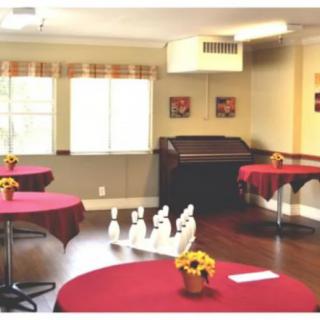
 Dining room
 Fully furnished
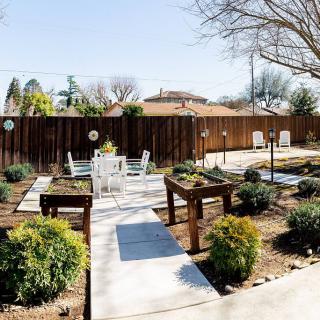
 Garden
 Housekeeping services
 Move-in coordination
 Outdoor space
 Telephone
 Wi-Fi/high-speed internet available
 Modesto City-County-Harry Sham (12 miles away)
 24-hour supervision
 Activities of daily living assistance
 Assistance with bathing
 Assistance with dressing
 Assistance with transfers
 Diabetes diet
 Meal preparation and service
 Medication management
 Special dietary restrictions
 Transportation arrangement (medical)
 Transportation to doctors appointments


 Is Assisted Living Deductible on Your Taxes? Understanding the Complexities of Assisted Living Expenses and Deductions
 Assisted Living Support for Veterans: A Complete and Detailed Overview
 Exploring the Contrasts Between Assisted Living and Skilled Nursing