
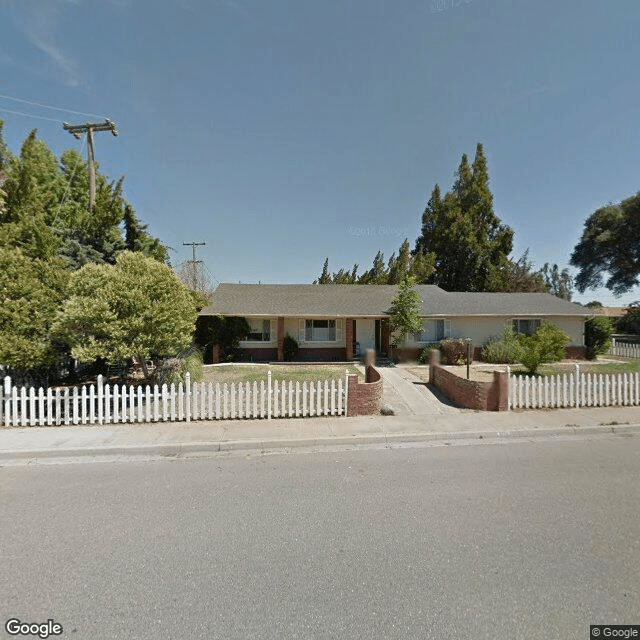
1400 Walnut St, Oakdale, CA 95361
To contact a resident: (209) 847-7745
For more information about senior living options: (866) 208-4318
Clark's Care Home Costs & Pricing
Clark's Care Home offers competitively priced accommodation options that appeal to both residents and their families. For a semi-private room, the cost is set at $3,000 per month, which is notably lower than the average rates of $3,241 in Stanislaus County and $3,333 across California. Similarly, for those seeking more privacy, Clark's offers private rooms at $4,000 monthly - this rate remains attractive compared to the regional average of $3,754 in Stanislaus County and $3,939 statewide. Overall, Clark's Care Home positions itself as an affordable choice for high-quality care within its local market.
| Floor plans | Clark's Care Home | Stanislaus County | California |
|---|---|---|---|
| Semi-Private | $3,000 | $3,241 | $3,333 |
| Private | $4,000 | $3,754 | $3,939 |
Senior living communities with a similar price nearby
-
About the same
Home Helpers of Central Valley, CA
$3,000 to $5,297 / month10.4 miles away -
from -$500 / mo
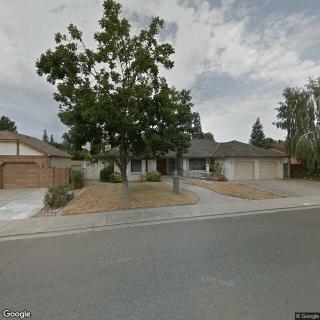
Beta Care Home
$2,500 to $4,000 / month11.0 miles away -
from +$200 / mo

The Park at Modesto
$3,200 to $5,400 / month10.4 miles away -
About the same
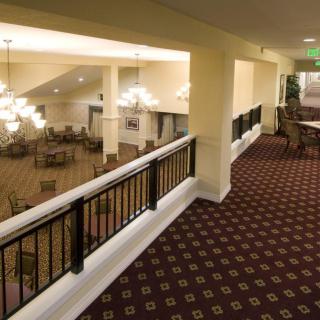
Prestige Assisted Living at Manteca
$3,000 to $4,745 / month18.2 miles away -
from +$200 / mo

Stratford at Beyer Park
$3,200 to $4,595 / month8.1 miles away
Overall Review of Clark's Care Home
Pros
 Graceful Living is impeccably clean, creating a welcoming atmosphere for residents.
- Voica and her staff provide genuine care and dedication to residents’ well-being.
- Graceful Living stands out as a place of warmth and compassion.
- It is described as the perfect place for a loved one with dementia.
- The environment feels like being at home with family, not a large institution.
- The staff are capable, patient, kind, compassionate, and flexible.
- They have done a remarkable job keeping staff and residents healthy and happy, even during Covid.
- Voica and her husband are welcoming, warm, and attentive to residents’ needs.
- The home is small, personable, and residential, in a beautiful neighborhood, offering a familiar, cozy atmosphere.
- The meals are wonderful, and the kitchen aromas add to the sense of comfort.
Review
Clark's Care Home in Oakdale is best suited for families seeking a small, home-like setting where senior care feels personal, attentive, and caregiver-led. From the experiences reflected in the reviews, this model shines most for residents who thrive when care feels like family, not institutional, and who value cleanliness, warmth, and flexible routines over formal, large-scale programming. The setting emphasizes a welcoming atmosphere, intimate common areas, and meals that evoke home cooking, all of which contribute to a sense of security and belonging. For families dealing with memory concerns, the small, residential feel can be a significant comfort, offering residents predictable daily rhythms and relationships that can be sustained over time.
Those who may want to consider alternatives are residents with higher demands for medical oversight or highly structured, tightly scheduled activities. If 24/7 on-site skilled nursing, extensive rehab services, or a broad slate of specialized programs are priorities, larger assisted living communities or dedicated memory-care facilities typically provide more robust medical resources and formal therapy options. Similarly, if a resident requires extensive, highly regimented daily schedules or a broad menu of on-site amenities and social opportunities, a bigger campus with more staff and departments could better meet those expectations. In short, the home-like model excels in warmth and adaptability, but it may fall short for residents with intensive clinical needs.
The strongest pros center on the tangible, everyday quality of life: immaculate cleanliness, a genuine sense of care, and staff who are patient, capable, and engaged. The small, personable nature of the home translates into attentive, flexible support that fosters trust and comfort. Families consistently note that owners or operator families are involved and responsive, ensuring residents’ needs are met with a personal touch. The atmosphere feels inviting and intimate, an environment where visitors feel welcome, and residents can linger in a comfortable great room, savor familiar aromas from the kitchen, and enjoy time with others without the bustle of a larger facility. Food quality and the overall homey vibe are frequently highlighted as standout strengths.
However, potential downsides merit careful consideration. In a small residential setting, there may be fewer on-site resources for rapid medical escalation or specialized therapies than in larger communities. Staffing, while dedicated, can be leaner than on bigger campuses, which may affect the immediacy of certain services during peak times. Privacy dynamics differ in a home-like layout, and the pace of activity planning may rely more on resident or family input than formal, centralized programming. Families should probe how care plans are documented and updated, and what happens when medical needs evolve beyond the cottage-scale model.
The thoughtful balance of pros against these trade-offs centers on the core strengths: personalized attention, a genuine sense of home, and a staff culture that prioritizes the resident’s comfort and happiness. For dementia care or early-to-mid-stage memory challenges, the ability to adapt schedules, tailor support, and maintain familiar routines can offset the absence of large-scale programming or on-site medical teams. The intimate setting often means fewer transitions, more consistent caregivers, and a home environment that reduces anxiety for residents accustomed to a family atmosphere. Those advantages can translate into steadier mood, better engagement, and a smoother daily experience.
For families evaluating Clark's Care Home, the practical takeaway is clear. If the goal is to secure a warm, home-like place where a senior can stay connected to a familiar routine and receive flexible, compassionate care, this model is a strong match. Prospective clients should, however, confirm that the facility can meet any higher-acuity needs or advanced medical requirements, and should assess whether the resident’s preferences align with a smaller, more intimate setting. Visits should focus on real-world daily life: observe meal times, routine, caregiver responsiveness, and the ease of building trust with the staff. With the right fit, this approach delivers meaningful comfort, dignity, and continuity for an aging loved one.
 Board and Care Home
 Activities on-site
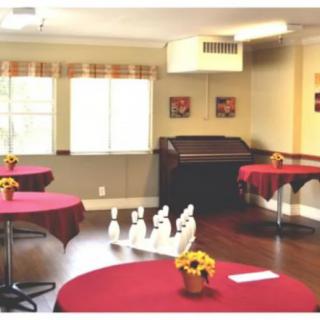
 Indoor common areas
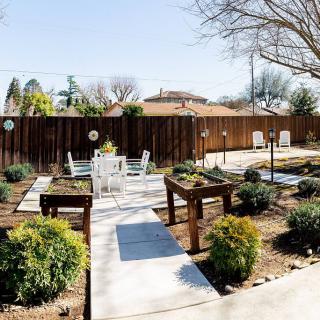
 Outdoor common areas
 Private
 Private bathrooms
 Wheelchair accessible showers
 Modesto City-County-Harry Sham (11 miles away)
 Ambulatory care
 Diabetic care
 High acuity care
 Incontinence care
 Meals provided


 Exploring Nonmedical Home Care: Understanding Services, Costs, and Financial Approaches
 Engaging Brain Games and Innovative Apps to Keep Senior Minds Active
 Effective Strategies for Keeping Seniors' Minds Active: A Deep Dive into Brain Games and Apps