
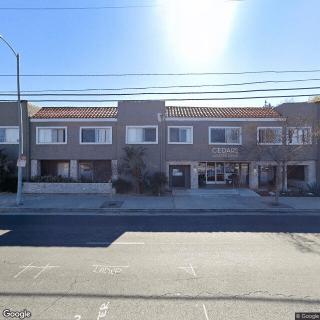
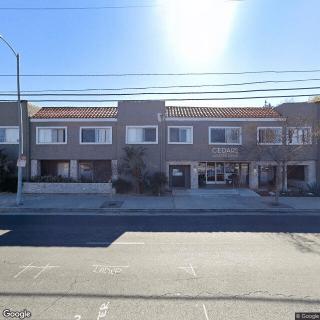
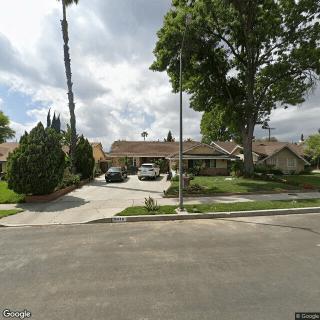
17241 Raymer Street, Northridge, CA 91325
For more information about senior living options: (866) 208-4318
Overall Review of Evening Grace Res. Facility For Elderly
Pros
 Diana was helpful and welcoming when the caller reached out.
- The reviewer looks forward to handling their future wound care needs.
Cons
 No negative statements detected in the review.
Review
Evening Grace Residence Facility For Elderly in Northridge is best suited for families prioritizing a warm, responsive intake experience and a facility that signals readiness to handle wound-care needs. The standout signal from the available feedback is a staff member, Diana, who was described as helpful and welcoming when contacted, with an expectation of reliable wound-care coordination in the near term. That combination matters: for caregivers facing the stress of managing a wound or arranging specialized nursing attention, a front-desk tone of reassurance and a proactive posture toward wound care can translate into smoother transitions and clearer expectations about medical partnerships. In short, this community appears strongest for residents whose immediate concern is accessible, customer-service oriented intake paired with a pathway to wound-care support.
Those weighing alternatives should be mindful that the current information pool is narrow. If wound care isn’t the central priority or if a broader, well-documented continuum of care is non-negotiable, other communities may offer a more robust, multi-point track record. Families seeking transparent, long-term data across dining quality, daily activities, transportation options, memory-care capabilities, or consistent staffing patterns may want to widen the search. With just one glowing anecdote to rely on, there isn’t enough evidence to declare this option a definitive fit for every senior, especially where high-stability, wide-ranging services are required. In such cases, comparing with facilities that publish ongoing reviews and outcome metrics becomes essential.
The principal positive signal, attentive, welcoming contact, offers meaningful leverage for decision-making. A front-line impression of competence and warmth can set the tone for ongoing care, reducing anxiety during the transition period and potentially improving early care coordination. If wound care is anticipated, the implication that the facility prioritizes timely engagement with families and readiness to address medical needs is valuable. This pro becomes more convincing when paired with assurances about accessible nursing oversight, clear care-planning processes, and the ability to mobilize wound-care expertise without delays. That resilience in the intake phase can offset some unknowns, but it cannot substitute for a broader evidence base about day-to-day care quality and long-term outcomes.
Yet the review landscape leaves notable gaps. There is no detailed testimony about how daily life is organized, meals, activity programming, transportation, or safety protocols beyond the initial wound-care promise. There is no data on staffing levels, nurse availability around the clock, or the presence of memory-care programming, which matters for seniors facing cognitive challenges. Pricing transparency remains unaddressed, along with room options, occupancy rates, and policy on guest stays or family involvement. This absence matters: without multiple independent experiences to corroborate the first impression, families should approach with measured expectations and a plan to verify these dimensions during a firsthand visit.
Given the limited signal, the best way to assess fit is to foreground concrete checks during a tour. Prospective residents should request to meet the wound-care team, review current care plans, and ask to see documentation of licensing and recent inspections. Inquire about nurse-to-resident ratios during peak and off-peak hours, emergency response times, and whether the facility can sustain ongoing wound-care needs in the long term. A candid conversation about daily routines, menu options, exercise programs, social engagement, and transportation policies will illuminate how the initial warmth translates into sustainable quality of life. These conversations should be treated as essential, not optional, given the sparse review data.
Bottom line: this Northridge community presents a credible option for families prioritizing immediate, friendly access to wound-care coordination and a compassionate first contact. It aligns best with seniors who value responsive intake and are preparing for wound-care needs in the near term. For those whose decision hinges on a broader, well-documented track record across multiple care dimensions, alternatives with richer review histories and explicit metrics should be pursued. The prudent path combines a direct tour, targeted questions about nursing capacity and care planning, and a comparison against peers with stronger multi-point feedback. In the meantime, the strength of the initial contact earns cautious confidence, paired with a clear mandate to verify how this care translates into day-to-day life and long-term stability.
 6 resident community capacity
 Assisted Living
 Board and Care Home
 Cable or satellite TV
 Dining room
 Fully furnished
 Garden
 Housekeeping services
 Move-in coordination
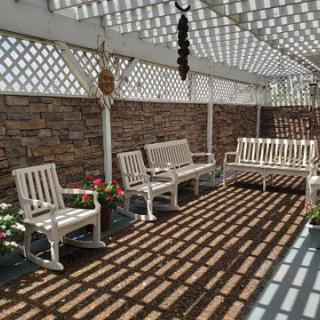
 Outdoor space
 Telephone
 Wi-Fi/high-speed internet available
 Burbank-Glendale-Pasadena (9 miles away)
 24-hour supervision
 Activities of daily living assistance
 Assistance with bathing
 Assistance with dressing
 Assistance with transfers
 Diabetes diet
 Meal preparation and service
 Medication management
 Special dietary restrictions
 Transportation arrangement (medical)
 Transportation to doctors appointments
 Exploring the Contrasts Between Assisted Living and Skilled Nursing
 8 Key Indicators That Suggest It May Be Time to Transition from Assisted Living to Skilled Nursing Care
 Vibrant Senior Living: A Comprehensive Guide for Active Older Adults