
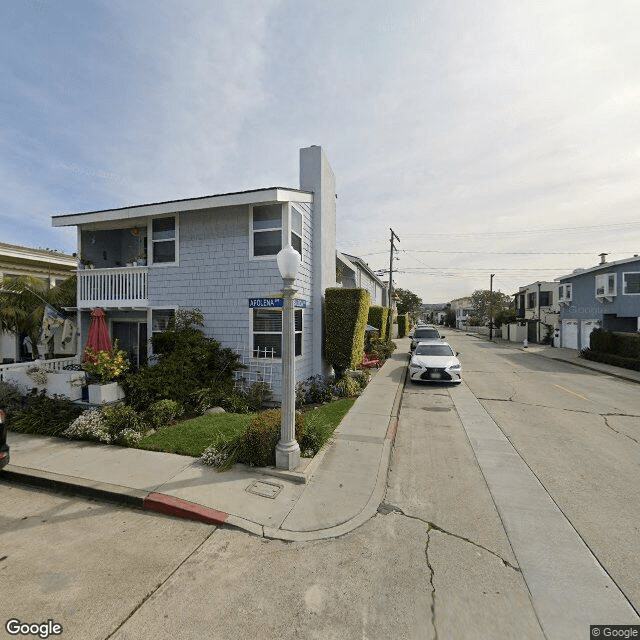
300 Apolena, Newport Beach, CA 92662
For more information about senior living options: (866) 208-4318
Overall Review of Balboa Island Board & Care
Pros
 The Newport Beach Memory Care community is described as beautiful with an amazing team.
- Everyone truly cares for each resident.
- Lori and Raenne are regarded as among the best.
- NBMC is highly recommended in Newport Beach.
- NBMC is a blessing for residents and their families.
- The staff are attentive and thoughtful with each resident.
- They take the time to get to know residents personally.
- The caregivers are the kindest and nicest people.
- The staff clearly enjoy their jobs and provide excellent care.
- They make residents feel special and cared for.
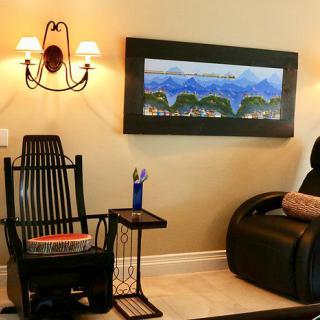
- The facility is clean, homey, and welcoming.
- The food is excellent and the environment feels like home.
Cons
 The care of the reviewer’s mother declined over a couple of years, culminating in an injury, and none of the staff came forward to report the incident.
Review
Balboa Island Board & Care in Newport Beach is best suited for families seeking an intimate, dementia-focused living option where caregivers know residents by name and daily routines feel like a home. The strongest signal from the surrounding reviews is a homey, nonclinical atmosphere supported by consistently engaged staff who invest time to learn each resident’s history, preferences, and needs. This environment emphasizes stability and continuity, with a small-scale feel that keeps supervision personal and visible rather than distant. For memory-care decisions, this setting offers a practical promise: everyday life that resembles a family home, with caregivers who are present, attentive, and invested in meaningful, day-to-day interaction.
That said, certain families may want to consider alternatives. For residents with higher medical complexity or those requiring robust, hospital-level oversight, a larger system with more extensive on-site medical resources may be a better fit. Similarly, programs that demand expansive rehabilitation services, broader specialist access, or a wider calendar of clinical activities could necessitate comparing with bigger, campus-style memory care communities. The strengths of a small, intimate home can become a limitation if there is a need for rapid scalability in services or more structured clinical coordination.
The compelling pros are clear and persuasive. Caregivers are consistently described as kind, attentive, and genuinely engaged, with staff who connect with residents personally and treat them with warmth. Families repeatedly note that caregivers go beyond basic care, helping with grooming, hair, nails, and small acts that make residents feel cherished and dignified. The environment earns praise for cleanliness and a pleasant, “home-like” vibe: comfortable common spaces, familiar decor, and a sense that residents are part of a family. The meals are described as a notable strength, contributing to overall well-being and enjoyment, while activities and social engagement help sustain mood, purpose, and routine. Administration is frequently cited as improving under new leadership, signaling a commitment to ongoing quality and responsiveness. The location, Newport Beach, also offers practical advantages for families seeking convenient visiting and proximity to medical resources.
However, one review notes a concerning arc: initial positive momentum can wane if care management and incident oversight lapse, culminating in an injury with a lack of timely reporting. This is not the norm in the described community, but it does highlight a universal risk in memory care: the need for transparent incident reporting, consistent supervision, and a clear chain of accountability. Prospective families should verify that the leadership maintains rigorous oversight, that staff are trained to document and communicate incidents promptly, and that there are reliable processes for continuous quality improvement. In other words, the care story benefits from strong governance as much as from warm, daily compassion.
When the positives are kept front and center, they significantly offset the potential drawbacks. The combination of a truly caregiving-focused culture, a home-like setting, high cleanliness standards, excellent meals, and a proven track record of compassionate, personalized care creates a daily life that feels stable and welcome for residents with memory challenges. Strong leadership changes and the resulting enhancements further reduce risk by driving clearer policies, better staffing consistency, and more intentional programming. Families who prize predictable routines, meaningful interactions, and a sense of belonging will find these attributes align well with long-term comfort and quality of life for their loved ones.
For families weighing Balboa Island Board & Care against Newport Beach-area options, a practical conclusion emerges: verify current leadership effectiveness, inspect staffing ratios and coverage across shifts, and obtain direct feedback from current families about incident handling and communication. Schedule in-person tours with a focused list of questions on care planning, daily schedules, and what happens when a resident’s needs shift. Ask to see sample care plans, review the menu and activity calendar, and request references. If the resident’s temperament, routine, and medical needs align with a small, caregiver-forward environment, this intimate setting can provide the warmth, continuity, and sense of home that define quality memory care, and that often makes all the difference for families navigating difficult decisions.
 4 resident community capacity
 Assisted Living
 Board and Care Home
 Cable or satellite TV
 Dining room
 Fully furnished
 Garden
 Housekeeping services
 Move-in coordination
 Outdoor space
 Telephone
 Wi-Fi/high-speed internet available
 John Wayne Orange Co (5 miles away)
 24-hour supervision
 Activities of daily living assistance
 Assistance with bathing
 Assistance with dressing
 Assistance with transfers
 Diabetes diet
 Meal preparation and service
 Medication management
 Special dietary restrictions
 Transportation arrangement (medical)
 Transportation to doctors appointments




 Social Security Benefits and Assisted Living: Navigating Options Across the U.S.
 An Extensive Exploration of the VA Aid and Attendance Benefit
 Senior Transition Services: Understanding Their Role, Cost, and Importance