
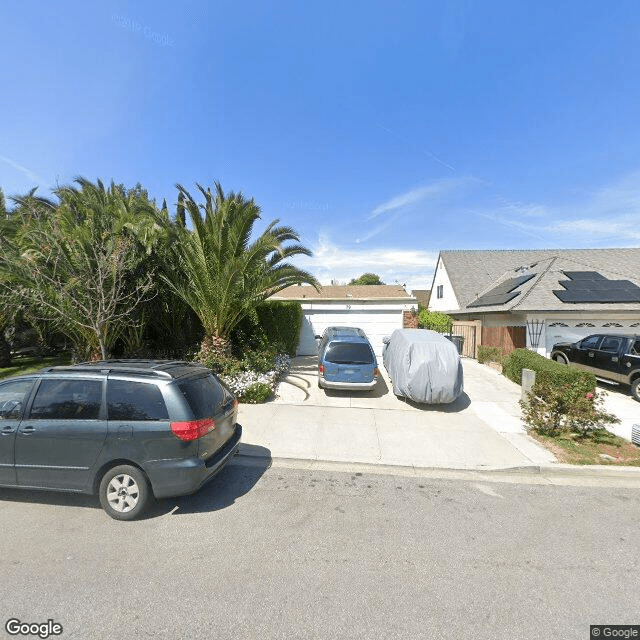
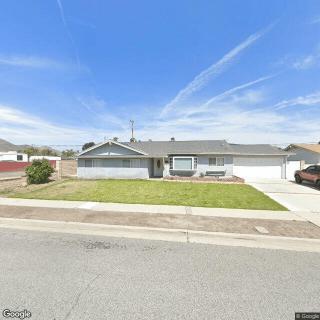
79 Madrid Avenue, Newbury Park, CA 91320
For more information about senior living options: (866) 208-4318
The Hidden Garden Costs & Pricing
At The Hidden Garden, the monthly costs for accommodations are positioned competitively within both Ventura County and the broader California market. For a semi-private room, residents can expect to pay $3,000, which is notably lower than the county average of $3,438 and aligns well with California's state average of $3,333. When considering private rooms, The Hidden Garden offers a rate of $3,800; while this is slightly below the county's rate of $4,082, it remains higher than the state's average of $3,939. This pricing structure underscores The Hidden Garden's commitment to providing affordable yet high-quality living options for its residents in comparison to regional costs.
| Floor plans | The Hidden Garden | Ventura County | California |
|---|---|---|---|
| Semi-Private | $3,000 | $3,438 | $3,333 |
| Private | $3,800 | $4,082 | $3,939 |
Assisted Living communities with a similar price nearby
-
About the same
Thousand Oaks Home Care IV
$3,000 to $4,000 / month3.5 miles away -
About the same
Thousand Oaks Home Care II
$3,000 to $4,000 / month3.4 miles away -
About the same
Thousand Oaks Home Care VI
$3,000 to $4,000 / month3.5 miles away -
About the same

Navita Residence Edgemont Drive
$3,000 / month7.9 miles away -
from +$500 / mo

Assisted Comfort Home
$3,500 to $6,000 / month16.0 miles away
Overall Review of The Hidden Garden
Pros
 The staff are very good and attentive, and they treat residents well.
- The owner and caretakers are helpful and accommodating.
- The community feels like a family and provides a safe place for loved ones.
- The care is reliable and residents can participate in enjoyable activities.
- The facility is budget-friendly and helps residents transition smoothly.
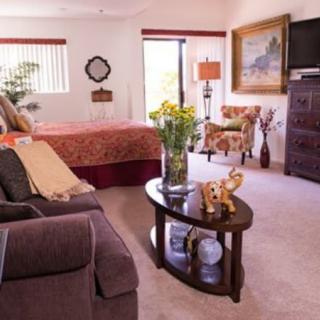
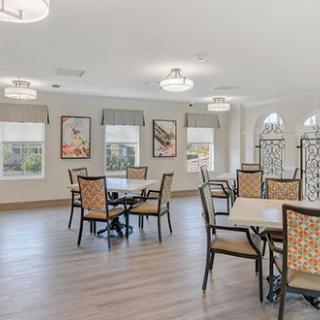
- The place is beautiful and quiet, with good food.
- The staff assists with doctor visits and transportation, making daily routines easier.
- The community is clean and well-maintained.
Cons
 The reviewer describes the place as a horrible place that charges for everything, including the toilet paper, with a very greedy owner.
- It is said to be disgusting and filthy, with claims that the owner tries to bill families for damages that were not done and blames a 91-year-old man.
- It is described as badly run, dark and dirty, with no activity, and with charges for outside trips that should be included.
- It is labeled a rip-off, suggesting social services would question its practices and implying there are better options available.
- A tour is criticized as unprofessional, noting an aide outside with an infant while supervising residents.
- It is described as not secure for residents, poorly maintained, and dirty with a dark, depressing environment.
- There are hygiene concerns raised, such as caregivers not washing hands after taking someone to the bathroom and towels left by the sink.
Review
The Hidden Garden is best suited for families prioritizing affordability and a homey, family-operated atmosphere. It tends to appeal to seniors who require routine daily living support, but whose care needs are not extreme, and who value personal attention, a small-community feel, and a staff that feels like part of the family. For residents who are mostly independent or wheelchair-bound with manageable needs, the setting can offer a reassuring, low-cost entry into placement, with meals, transportation help for appointments, and a visible desire to keep loved ones comfortable and connected. In short, it serves as a practical option for cost-conscious families who want a personable, modestly sized environment rather than a polished, large-scale operation.
Those who should consider alternatives are families seeking rigorous oversight, pristine upkeep, and crystal-clear, transparent billing. The reviews raise red flags for anyone requiring strong safety protocols, consistent cleanliness, and well-documented care plans. Prospective buyers should be wary if essential elements such as secure environments, reliable housekeeping, or professional governance feel uncertain. For families needing robust activity programming, predictable inclusions, or formal bonding and insurance practices, a larger or more tightly run community may deliver greater peace of mind and fewer opportunities for friction between families and management.
On the upside, the strongest positives center on the human side of care. Several residentsā€™ families describe attentive, accommodating staff and an owner who is accessible and involved, framing The Hidden Garden as a place with a genuine, almost family-like ethos. Food quality and room comfort receive praise in multiple accounts, and for some families the setting feels safe and supportive, especially when transportation to medical visits and assistance with appointments are part of the package. In dementia or limited-mobility scenarios, the perceived safety of a smaller, watchful environment can be a meaningful benefit, reinforcing trust in daily routines and supervision.
Yet, the most persistent and consequential concerns hover around cleanliness, maintenance, and governance. Recurrent complaints describe dirty, dark, and poorly maintained spaces, with questions about how well the site actually supports resident hygiene and infection control. Several reviewers allege mismanagement and questionable billing practices, including alleged charges for damages and outsized fees that undermine trust. Security is called into question by some visitors who worry about oversight and resident safety, especially in moments when staff coverage or formal procedures seem lax. Taken together, these gaps can erode confidence quickly, especially for families weighing long-term commitments.
The bottom line is nuanced: the pros can be meaningful for families seeking a low-cost, intimate setting where staff attention feels personal and dependable, but the cons present legitimate, potentially deal-breaking risks. The most compelling offset comes when families can visit frequently, verify cleanliness and safety on-site, and secure transparent, written assurances about billing and care practices. Where this alignment exists, The Hidden Garden can deliver a comforting home-like option that avoids the higher price tag of larger operators. Where it does not, alternatives with stronger maintenance standards and clearer governance will likely reduce stress and deliver more predictable care.
Decision-makers should approach with a disciplined checklist and a clear trial framework. Perform multiple on-site visits at different times, including unannounced check-ins to gauge resident activity, staff responsiveness, and housekeeping standards. Request a detailed bill-by-bill rundown, a copy of the care plan, and written policies on damages, occupancy, and the handling of grievances. Speak with current residents and families about daily life, activity availability, and how emergencies are managed. If these elements line up, The Hidden Garden can be a viable, budget-conscious choice; if not, it is prudent to continue the search for an option that offers stronger upkeep, tighter governance, and more consistent incentives to deliver high-quality, transparent care.
 6 resident community capacity
 Assisted Living
 Board and Care Home
 Activities off-site
 Air-conditioning
 Cable or satellite TV
 Dining room
 Fully furnished
 Garden
 Housekeeping services
 Indoor common areas
 Move-in coordination
 Outdoor common areas
 Private
 Respite or short term stays offered
 Telephone
 Wi-Fi/high-speed internet available
 Oxnard (16 miles away)
 24-hour supervision
 Ambulatory care
 Assistance with bathing
 Assistance with dressing
 Assistance with transfers
 Diabetes diet
 High acuity care
 Incontinence care
 Meal preparation and service
 Medication management
 Special dietary restrictions
 Transportation arrangement (medical)
 Transportation to doctors appointments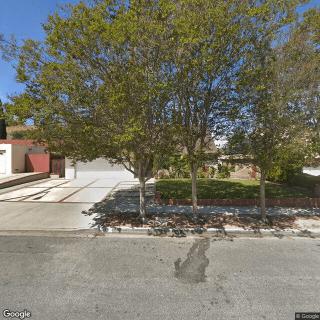





 Is Assisted Living Deductible on Your Taxes? Understanding the Complexities of Assisted Living Expenses and Deductions
 Assisted Living Support for Veterans: A Complete and Detailed Overview
 Exploring the Contrasts Between Assisted Living and Skilled Nursing